What Is Zen Interior Design Style?
Discover how to create a Zen-inspired interior with balanced layouts, natural materials, neutral colors, and thoughtful decorating tips.
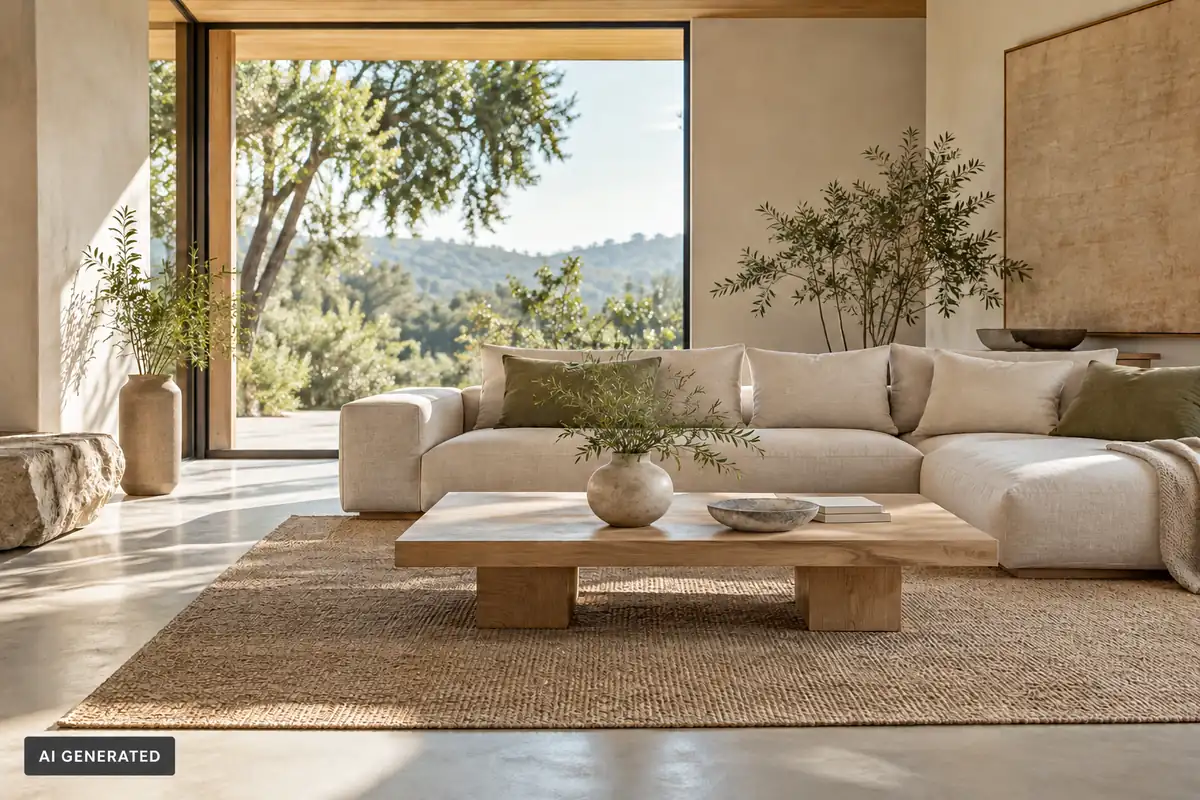
Zen interior design is a minimalist, nature-inspired approach to decorating that emphasizes simplicity, balance, and tranquility. Inspired by Japanese aesthetics and Zen Buddhist principles, it combines natural materials, neutral colors, functional furniture, and uncluttered spaces to create a calm, harmonious home.
But how do these principles translate into a real home? From color palettes and natural materials to furniture, lighting, and decor, let's explore what defines the Zen interior style and how to bring it into your own space.
Where does Zen interior design come from?
Zen interior design draws inspiration from Zen Buddhism, a tradition that emphasizes meditation, mindfulness, and awareness of the present moment. These ideas have influenced aspects of Japanese art, architecture, and garden design, where simplicity and a close relationship with nature often play important roles.
Traditional Japanese interiors also provide inspiration through their restrained use of materials, flexible spaces, natural light, and connection to outdoor surroundings. One important idea is that empty space is just as meaningful as the objects within it. Carefully arranged elements can create a sense of balance withou filling the entire room.
However, Zen interior design is a modern design concept, not a fixed historical Japanese decorating style. It translates some of these philosophical and aesthetic influences into contemporary homes.
What are the main characteristics of Zen interior design?
- Minimal clutter: clear surfaces and discreet storage for everyday items
- Simple forms: clean lines, uncomplicated shapes, and minimal ornamentation
- Balanced layouts: comfortable circulation and a sense of openness
- Natural materials: wood, stone, bamboo, and natural fabrics that introduce warmth
- Restrained colors: neutral and earthy shades that create visual continuity
- Connection with nature: plants, natural light, and views of greenery
- Soft lighting: daylight and diffused artificial lighting for a comfortable atmosphere
- Intentional decor: a few carefully selected objects rather than excessive accessories
Focus on your ideas. Put Copilot to work.
Describe what you want to create and let Planner 5D Copilot help turn your ideas into an editable 2D and 3D design.
Try Planner 5D Copilot →What colors are used in Zen interiors?
Zen interiors typically feature colors inspired by nature. The palette relies on subtle variations that create a sense of visual continuity.
Warm white, cream, beige, sand, taupe, and soft gray are popular choices for walls and larger furniture. Earthy browns, muted greens, and natural wood tones can introduce additional warmth and depth.
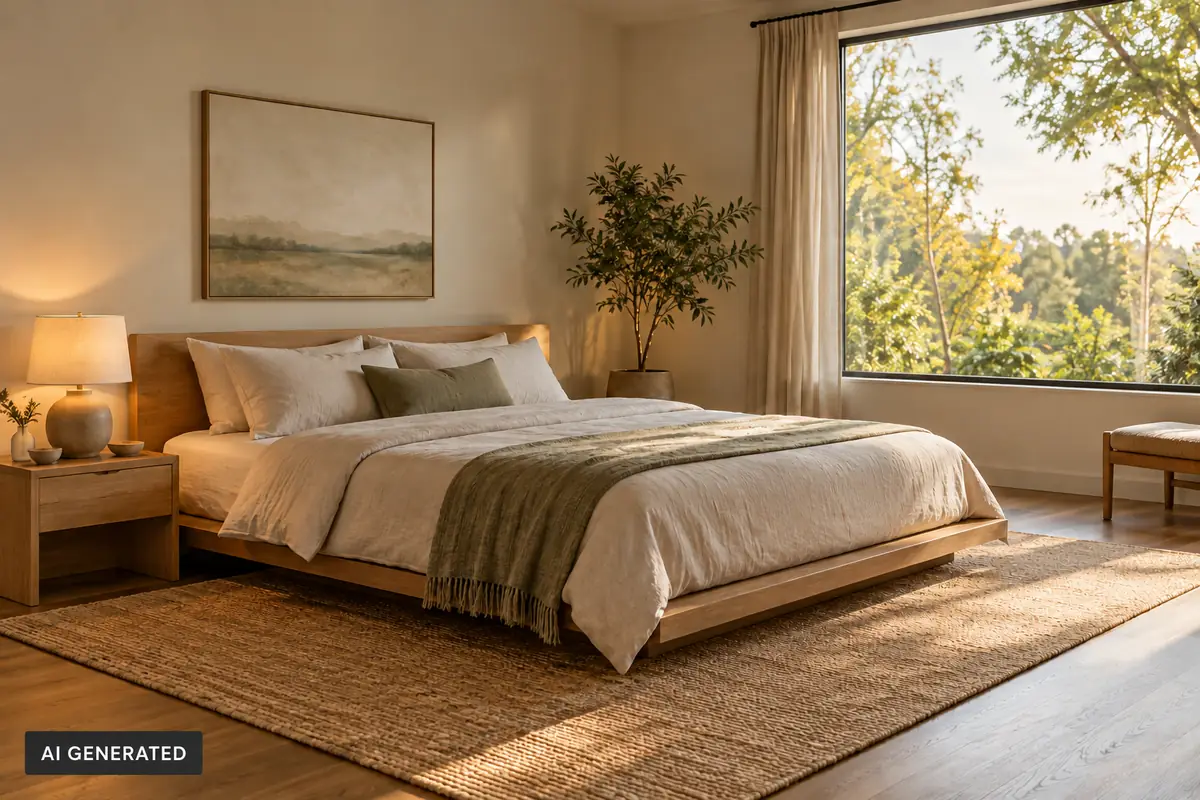
Some Zen-inspired color combinations include:
- Warm white + light oak + sand: a bright, understated palette for living rooms and bedrooms
- Beige + taupe + muted olive: a soft, earthy combination that works well with plants and textured fabrics
- Soft gray + walnut + warm white: a balanced palette with gentle contrast
- Cream + natural stone + earthy brown: a warm combination for bathrooms and relaxation areas
Darker accents can work well, but they should support the overall composition rather than dominate it.
What materials define Zen interior design?
Natural materials are essential to Zen interior design, bringing warmth, texture, and a connection to nature. Some of the most commonly used materials include:
- Wood: for flooring, furniture, and wall panels, often with visible grain and natural finishes
- Bamboo: for screens, furniture, and decorative accents
- Stone: for countertops, floors, and decorative objects
- Linen and cotton: for curtains, upholstery, and bedding
- Wool: for rugs, throws, and other soft furnishings
- Paper: for Japanese-inspired lamps, screens, and light-filtering elements
- Natural fibers: jute, sisal, and rattan for rugs, baskets, and accessories
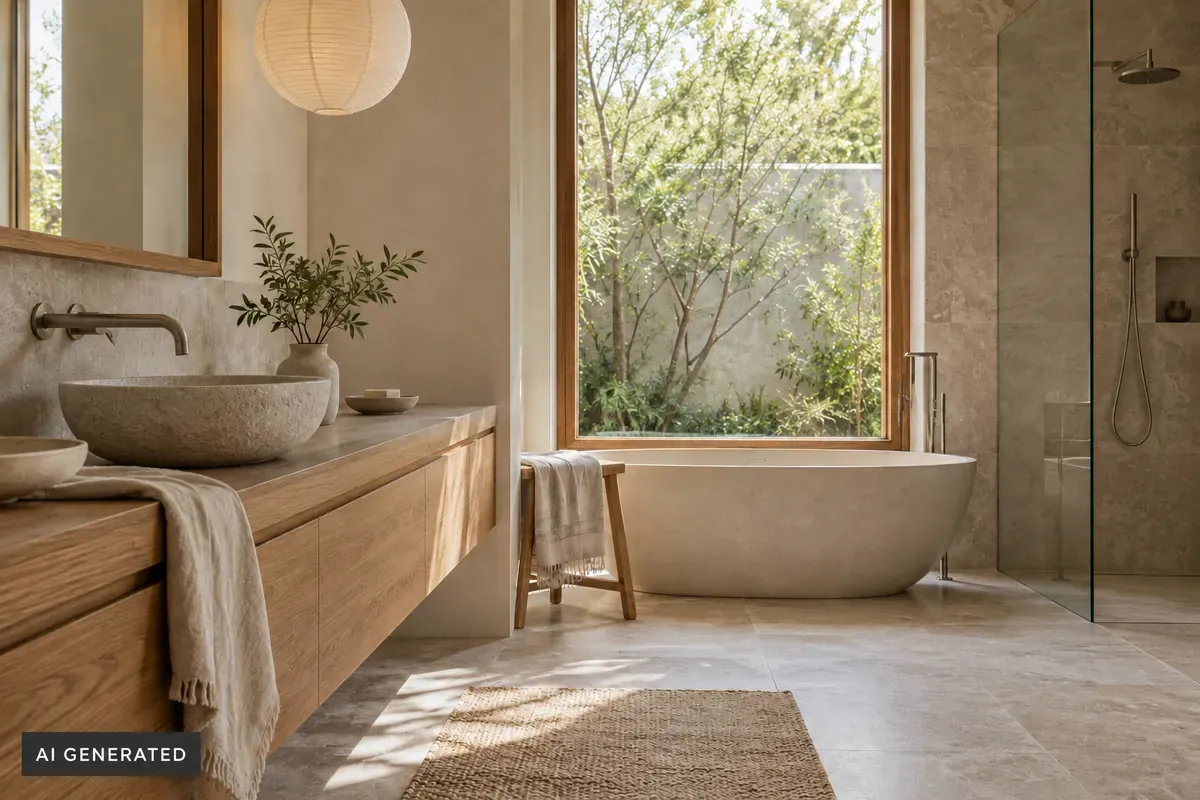
Texture is especially important in Zen interiors, where restrained colors and minimal decoration allow natural materials to stand out. Combining smooth wood, soft linen, and textured rugs can add depth to a room without making it feel visually busy.
What does Zen furniture look like?
Key characteristics of Zen furniture include:
- Simple silhouettes: clean lines, understated shapes, and minimal ornamentation
- Low-profile designs: platform beds, low sofas, and wooden benches inspired by Japanese interiors
- Natural materials: solid wood and subtle finishes that highlight natural grain and texture
- Functional pieces: practical furniture with discreet storage and minimal decorative details
- Balanced proportions: furniture that fits the room without overwhelming the available space
The space around furniture is just as important as the furniture itself. Leaving enough room between pieces creates comfortable circulation and a sense of openness. And while low furniture is common in Zen interiors, it isn't essential. Comfort and balance should always come first.
Zen vs Japandi: what's the difference?
Zen and Japandi interior design share an appreciation for simplicity, natural materials, and uncluttered spaces. However, they come from different influences.
Japandi combines Japanese aesthetics with Scandinavian design, bringing together natural materials, functionality, craftsmanship, and the comfortable atmosphere associated with Nordic interiors.
Zen-inspired spaces draw more directly from Japanese aesthetics and ideas associated with Zen Buddhism, emphasizing tranquility, balance, and a restrained relationship between objects and empty space.
| Feature | Zen interior design | Japandi interior design |
|---|---|---|
| Origins | Japanese aesthetics and Zen Buddhist influences | Japanese and Scandinavian design |
| Colors | Neutral, earthy, and subdued tones | Warm neutrals, earth tones, and gentle contrasts |
| Furniture | Simple, functional, often low-profile | Simple and functional, with Japanese and Nordic influences |
| Decor | Highly restrained and intentional | Minimal, with handcrafted objects and cozy details |
| Materials | Wood, stone, bamboo, paper, and natural fabrics | Wood, stone, linen, wool, ceramics, and natural fibers |
| Atmosphere | Quiet, contemplative, and balanced | Calm, comfortable, and inviting |
Zen vs minimalist interior design
Minimalist interior design is a broad approach centered on simplicity, functionality, and eliminating unnecessary elements. Depending on the interpretation, it may feature monochromatic palettes, polished surfaces, sharp architectural lines, or industrial materials.
Zen interior design approaches simplicity through a stronger connection with nature. Wood, stone, natural fabrics, and earthy colors introduce warmth and texture, while balanced furniture arrangements create a comfortable sense of openness.
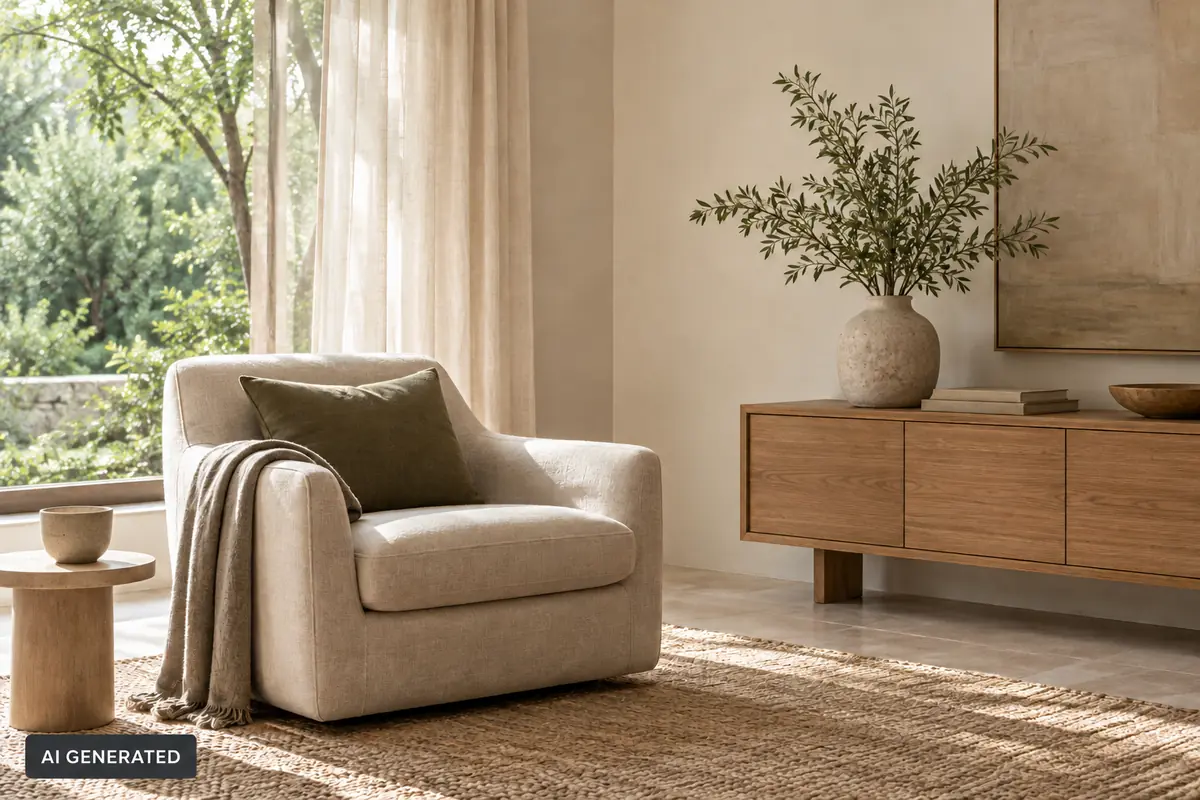
The difference also lies in the intended atmosphere. A minimalist room might prioritize visual order or architectural simplicity. A Zen-inspired room aims to encourage calm and a more mindful experience of the space.
How to create a Zen interior at home
You don't need a complete renovation to introduce Zen principles into your home. Small changes to furniture placement, lighting, color, and decoration can make a noticeable difference.
1. Simplify your space
Begin by identifying furniture, accessories, and everyday objects that make the room feel crowded. Remove unnecessary items and organize what remains.
This doesn't mean eliminating everything decorative. Keep the pieces that are functional, meaningful, or contribute positively to the overall atmosphere.
2. Improve the layout
Consider how you move through the room and whether the furniture arrangement feels comfortable. Avoid blocking pathways, overcrowding corners, or placing too many large pieces close together. Open space can improve both the room's functionality and its visual balance.
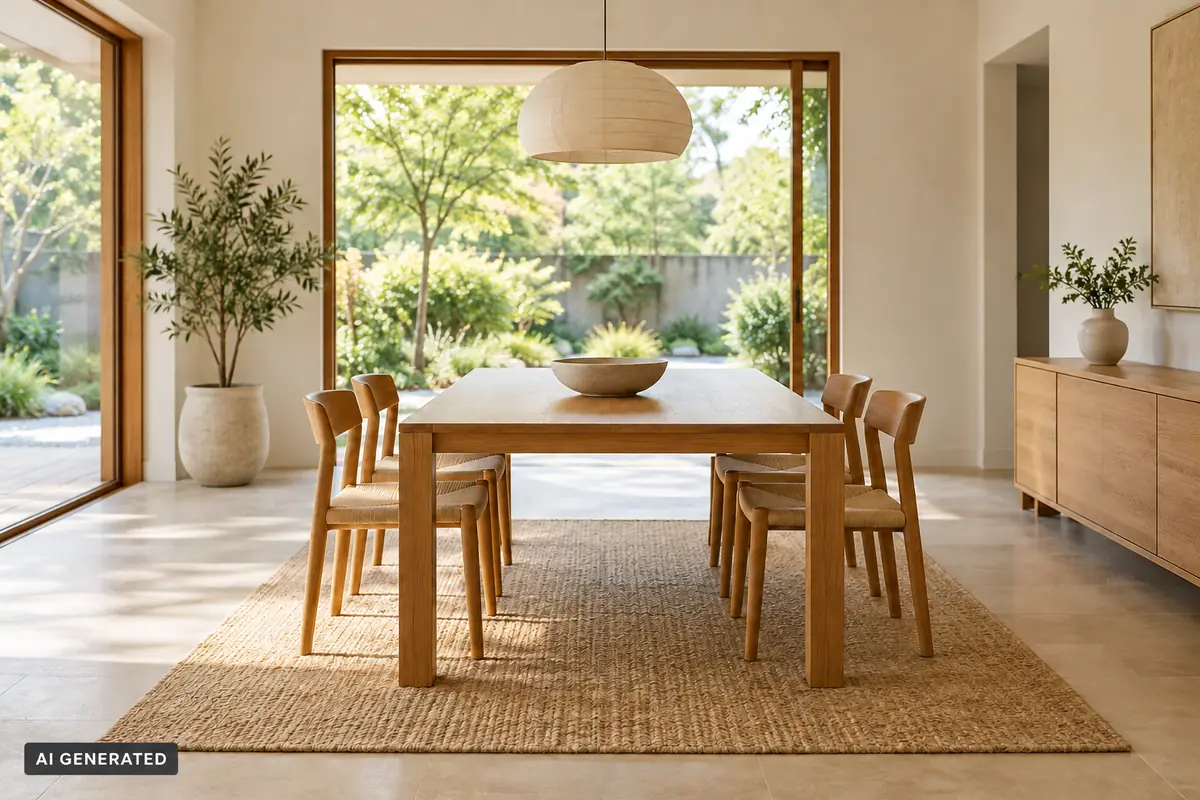
3. Choose a natural color palette
Select two or three complementary neutral or earthy tones as the foundation of your design. For example, warm white walls, natural wood furniture, and beige textiles can create a simple base that works across different rooms.
4. Introduce natural materials
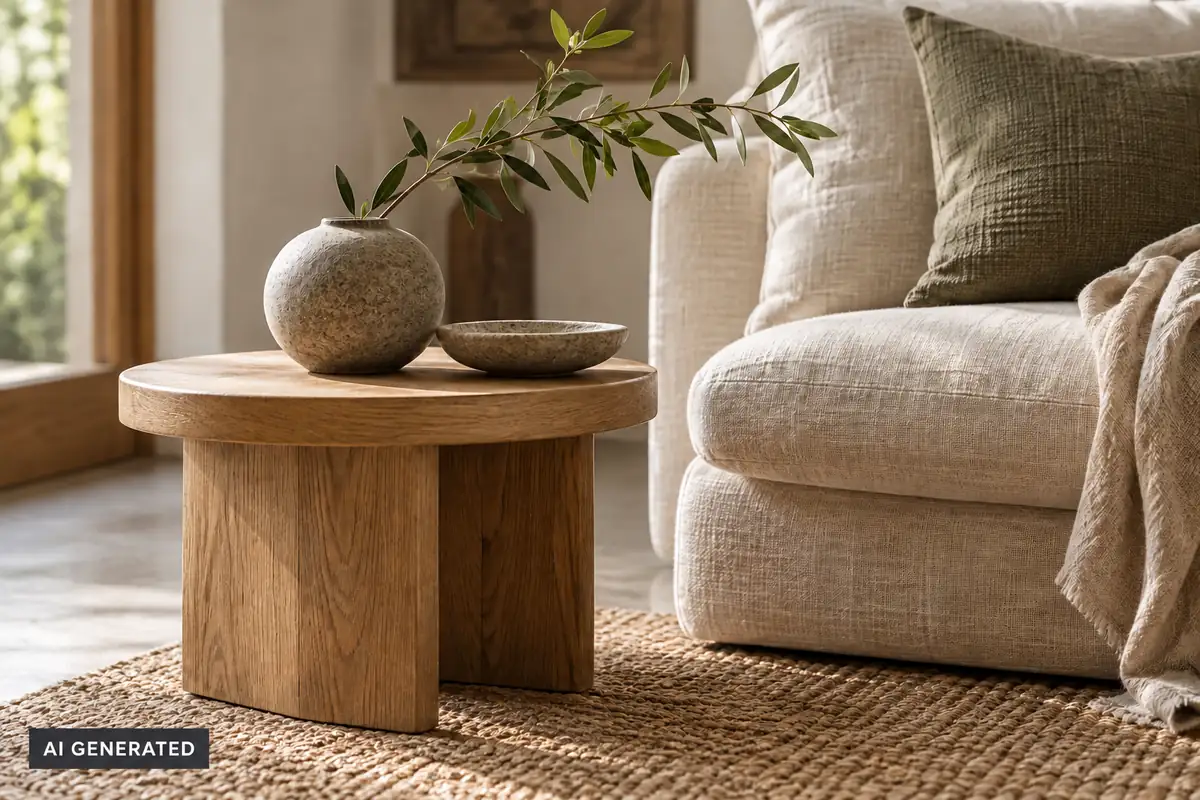
You don't have to replace every piece of furniture. A wooden side table, linen curtains, a natural-fiber rug, or a stone accessory can introduce the textures associated with the Zen aesthetic. Focus on materials that complement what you already own.
5. Refine the decor and lighting
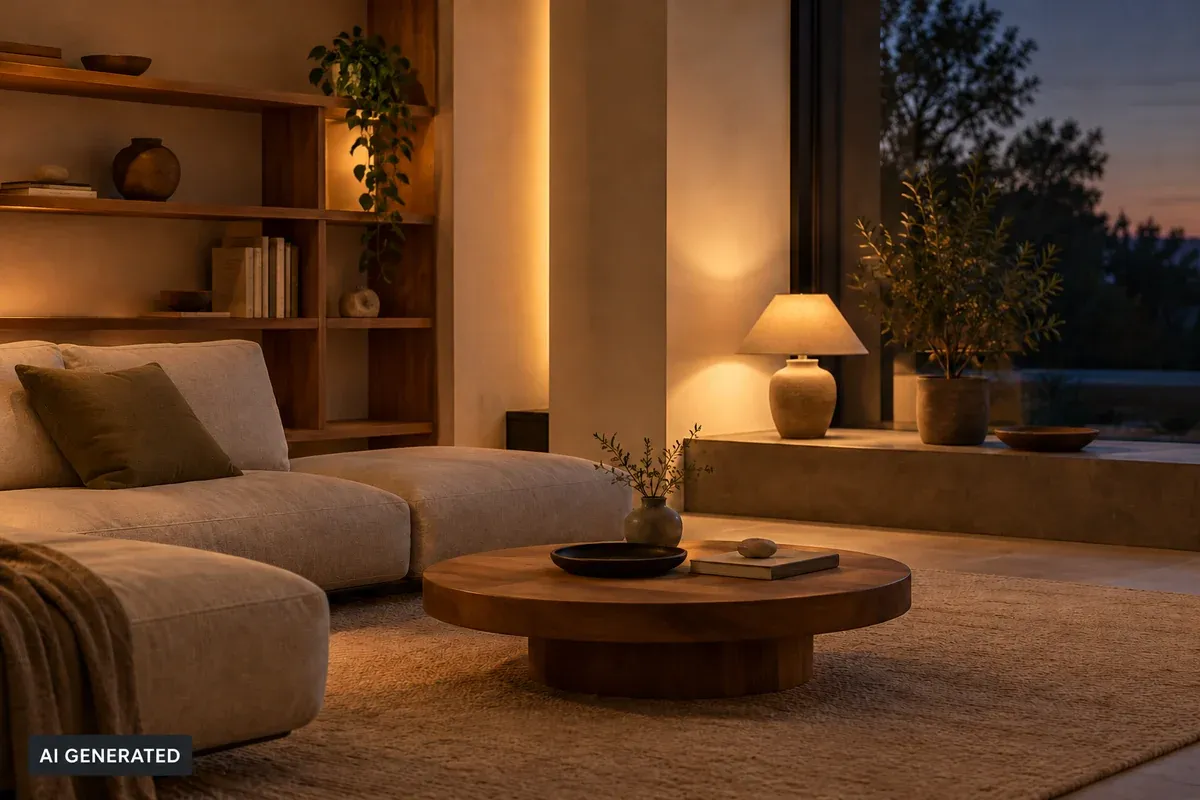
Choose a few decorative objects and position them where they can be appreciated without creating clutter. Add plants where appropriate, introduce soft textiles, and use layered lighting to make the space comfortable throughout the day.
Visualize your Zen interior with Planner 5D
Before making changes to your home, it can be useful to experiment with different layouts, materials, and furniture combinations. With Planner 5D, you can create a room layout in 2D and 3D, explore furniture arrangements, and test Zen-inspired color palettes and natural finishes.
Try different furniture proportions, compare wood tones, or see how much open space remains around your main pieces. This makes it easier to refine your design before purchasing furniture or making permanent changes.
Planner 5D: The Future of Interior Design
Experience the power of AI-driven design with Planner 5D. Our innovative tools, including the AI Studio, Copilot, and AI floor plan recognition, make bringing your dream home to life easier than ever. Transform your vision into reality and unlock a world of design possibilities today.
Start designingFAQ
What does Zen mean in interior design?
Zen interior design refers to a minimalist, nature-inspired approach focused on simplicity, tranquility, and balance. It draws inspiration from Japanese aesthetics and Zen Buddhist principles to create calm, uncluttered spaces.
What are the main elements of Zen interior design?
The main elements include natural materials, neutral colors, simple furniture, open layouts, soft lighting, and intentional decor. Functionality and a connection with nature are also important.
What colors are used in Zen interiors?
Zen interiors typically feature warm white, beige, sand, taupe, soft gray, brown, and muted green. These colors create a cohesive, nature-inspired palette without excessive contrast.
What is the difference between Zen and Japandi interior design?
Zen interiors are more directly influenced by Japanese aesthetics and Zen principles, emphasizing tranquility and balance. Japandi combines Japanese and Scandinavian design, adding a stronger focus on Nordic comfort and coziness.
Is Zen interior design the same as minimalism?
Not exactly. Both emphasize simplicity and reducing clutter, but Zen interiors place greater importance on natural materials, balanced spaces, and creating a peaceful atmosphere.
How can I make my home feel more Zen?
Start by reducing clutter, improving furniture placement, and choosing a restrained color palette. Natural textures, plants, soft lighting, and a few carefully selected accessories can help create a calmer environment.
