Home & Room Layout Ideas: Find the Right Guide for Your Space
Find the perfect layout for any room with Planner 5D.
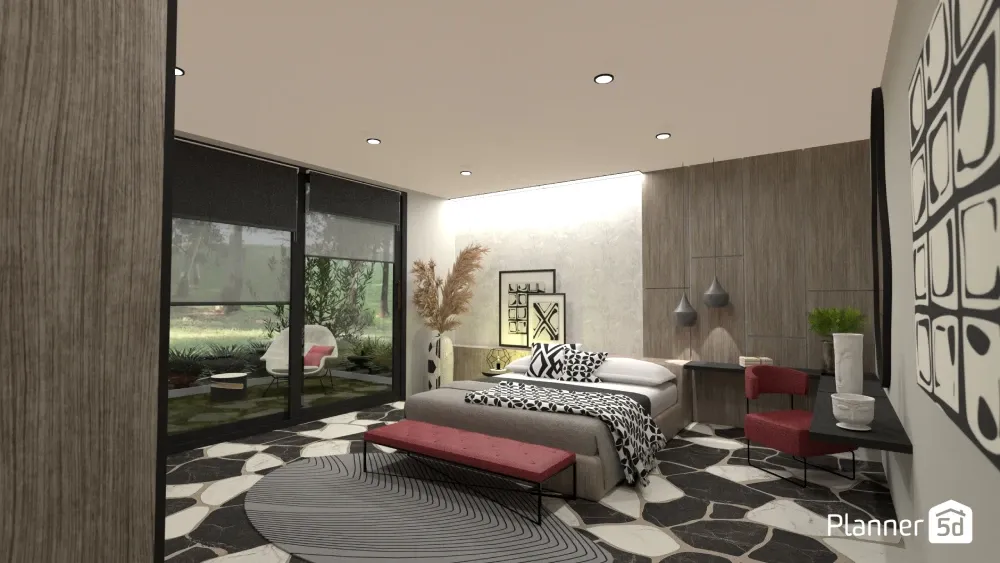
Getting furniture placement wrong is frustrating. You move everything in, and something feels off — the room is hard to walk through, the sofa blocks the window, or the space just looks cramped. Most of the time, the fix isn't new furniture. It's a better layout.
Room layout depends on a few key factors: the space's size and shape, what you use it for, the furniture that needs to fit, and how people move through it. Get those right, and everything else falls into place.
This page helps you find the right layout guide for your room fast. No tutorials here — just a quick way to match your space to the guide that fits.
How to pick the right layout guide
Not sure where to start? Use this as a quick filter:
- Long, narrow room → see Narrow living room layout
- Long room with a TV wall → see Long rectangular living room with TV
- Small or tight space → see Small living room layout ideas
- Want placement based on energy flow → see Feng shui living room layout
- Planning a kitchen → see Kitchen layout guides
- Open plan or studio → see Open plan layouts
If your room fits more than one description, start with the shape. A small narrow room, for example, has more in common with a narrow room than a small one — the length-to-width ratio is usually what causes the most trouble.
Living room layout guides
Living rooms come in all shapes, and layouts vary depending on width, length, and how the room is used. The goal in most cases is clear traffic flow and a strong focal point — usually a TV wall or fireplace. Get those two things right, and the rest of the furniture tends to follow.
Want to design your dream home faster?
Let AI do the heavy lifting with Planner 5D.
The biggest mistakes in living room layout are pushing all the furniture against the walls, ignoring the natural path people take through the room, and choosing a sofa that's too large for the space. A good layout works with the room's shape rather than fighting it.
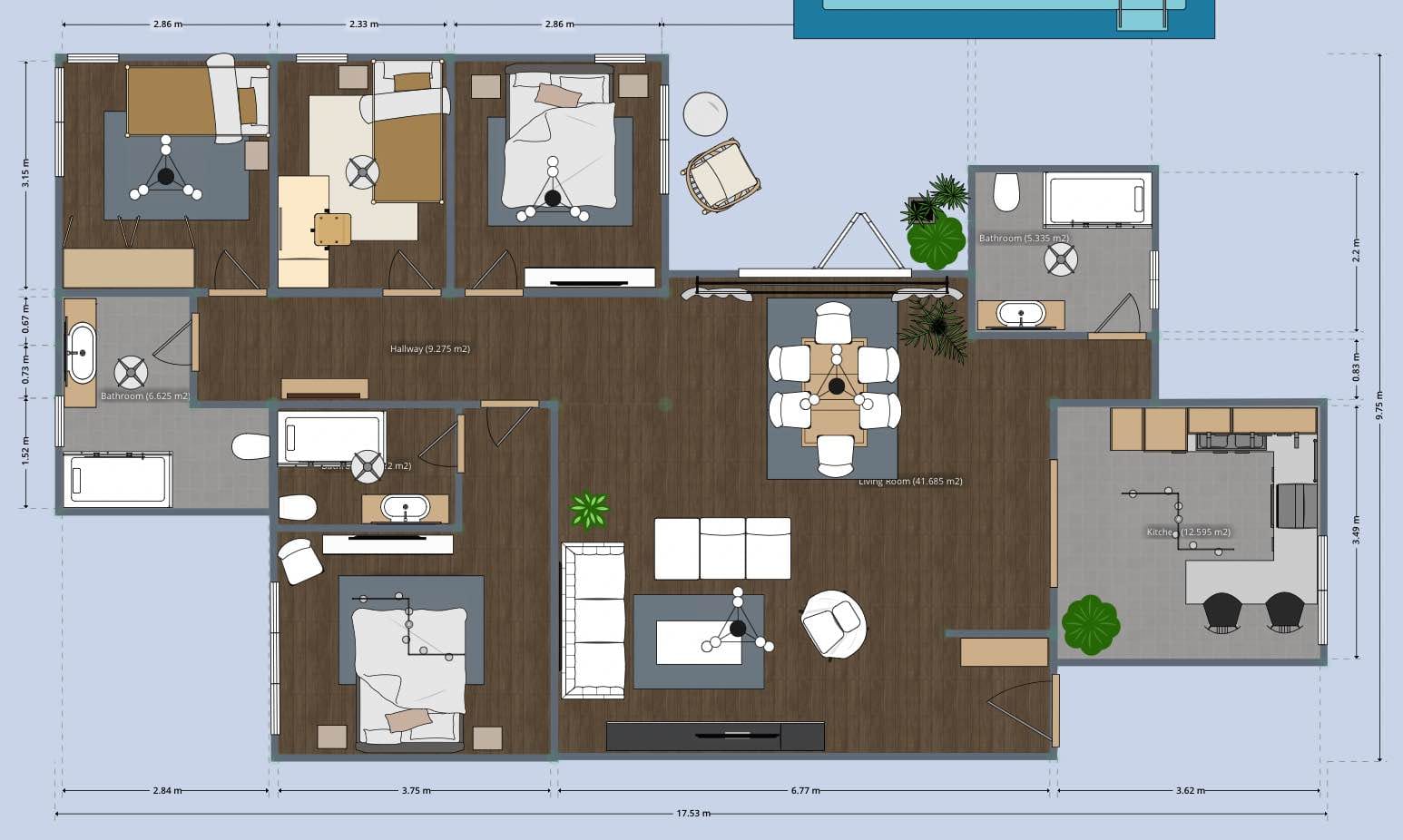
- Narrow living room layout — Covers how to arrange furniture in a long, thin room without blocking movement or making the space feel like a hallway. Includes tips on creating zones when the width is limited.
- Long rectangular living room with TV — Focuses on TV placement, seating distance and how to break up a long room so it doesn't feel like a corridor. Also covers what to do with the far end of the room.
- Small living room layout ideas — Shows how to make a tight space work without it feeling cluttered. Covers furniture scale, multi-use pieces and placement tricks that open a room up visually.
- Rectangle living room layout — A general guide to the most common room shape. Walks through anchor points, traffic paths and seating arrangements that work for both everyday use and entertaining.
- Feng shui living room layout — Uses energy-based placement principles to guide furniture arrangement, entry flow and focal points. Good if you want a structured approach to positioning beyond just what fits.
- Furniture layout basics — A solid starting point if you're not sure where to begin. Covers the core rules that apply to almost any living space, including balance, scale and how to create a focal point from scratch.
Kitchen layout guides
In a kitchen, layout is about workflow — how you move between the sink, stove and fridge. This triangle of movement is what determines whether a kitchen feels efficient or exhausting to cook in. Appliance placement matters more here than in any other room, and so does counter space near the stove and prep area.
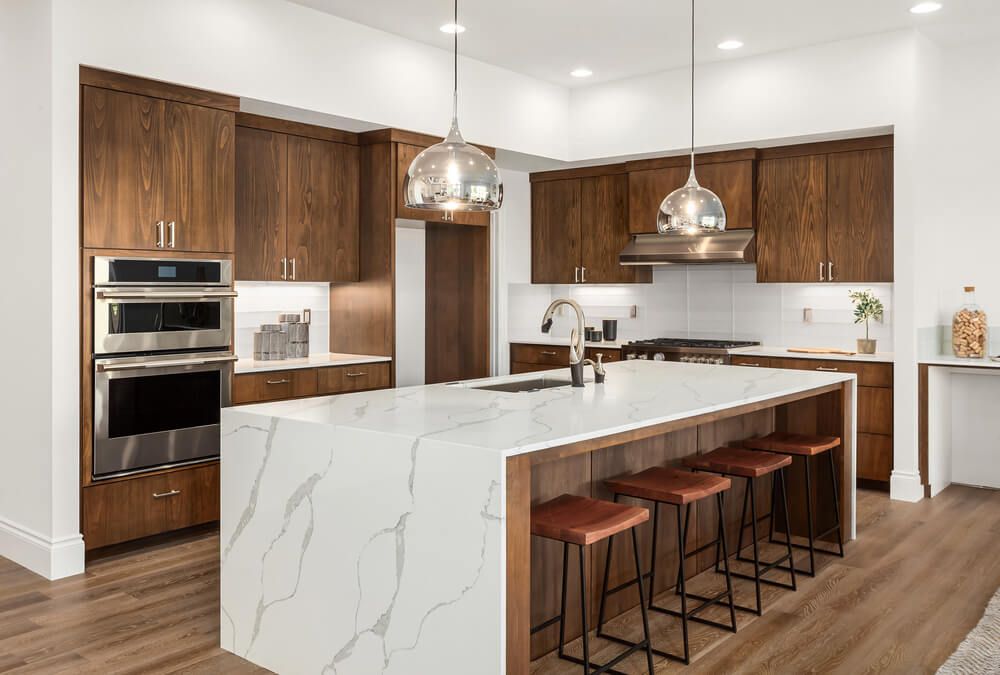
Storage affects layout, too. If your cabinets are in the wrong place relative to where you cook, you'll spend a lot of time crossing the kitchen just to grab a pan.
- Galley kitchen layout — Two parallel counters facing each other. Best for narrow kitchens. Focuses on keeping the work triangle tight and making the most of the limited width.
- L-shaped kitchen layout — Corner layout that works well in medium-sized kitchens. Covers how to use the corner space effectively and where to position the main appliances.
- U-shaped kitchen layout — Three walls of counters and cabinets. Best for larger kitchens. Covers traffic flow when more than one person is cooking and how to avoid a layout that feels boxed in.
- Kitchen with island layout — Adds a freestanding work surface to the mix. Covers clearance requirements on all sides and how an island changes the way people move through the space.
- Single-wall kitchen layout — Everything on one wall. Common in small apartments and open plan spaces. Covers how to maximize limited counter and storage space when you can't spread out.
Dining room layout guides
Dining spaces need enough clearance to pull out chairs and move around the table without bumping into walls. Table size matters too — too big and the room feels jammed, too small and it looks lost in the space.
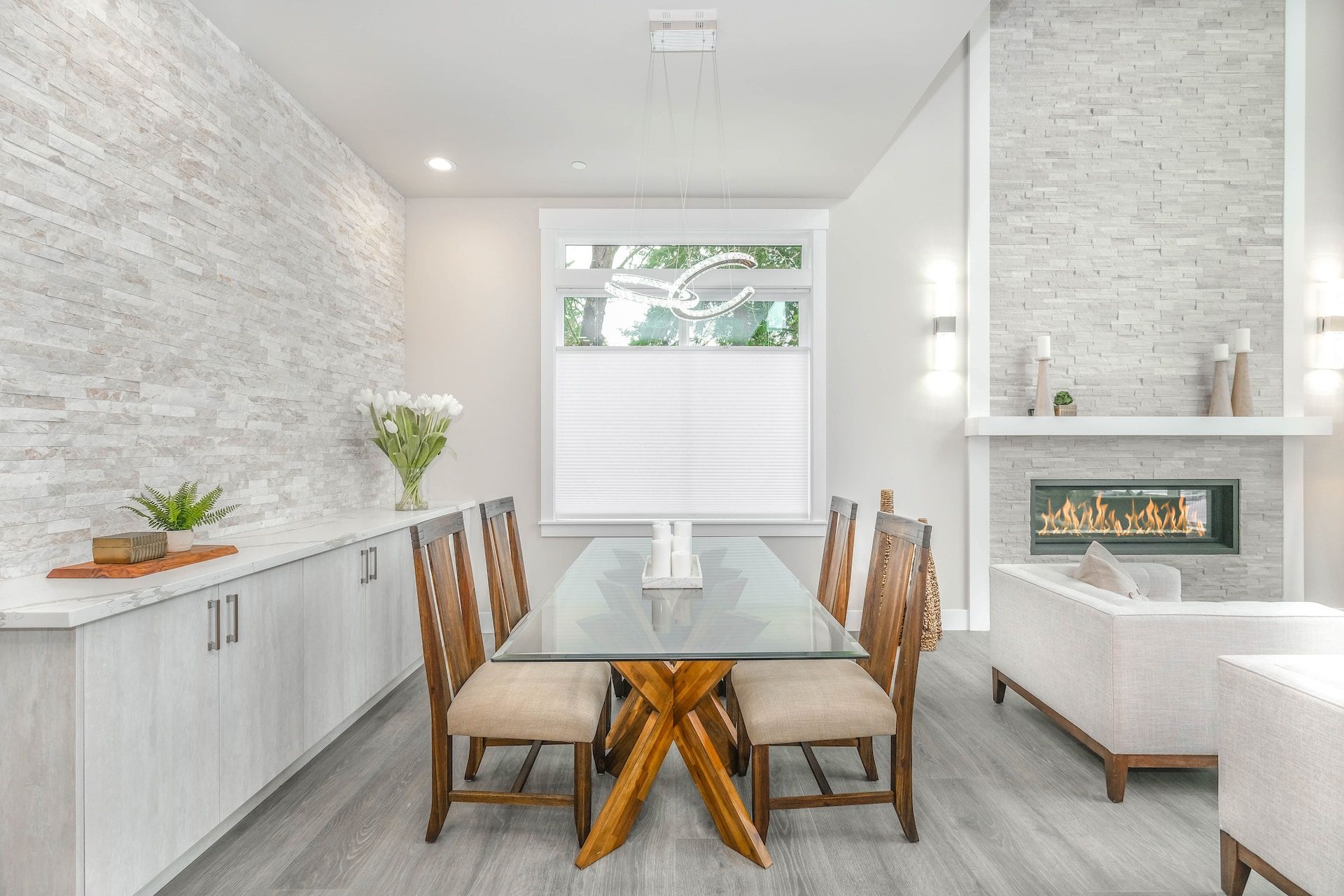
Shape plays a role as well. Round tables work differently in a square room than rectangular ones do, and the guide you need depends on what you're working with.
- Small dining room layout — How to fit a table and chairs in a tight space while keeping enough clearance to sit, stand and move around comfortably. Covers table shapes and sizes that work best in compact rooms.
- Rectangular dining room layout — Covers table orientation, chair spacing and how to position the table so the room feels balanced rather than off-center. Includes guidance on lighting placement relative to the table.
- Living + dining combo layout — For spaces that need to do double duty. Covers how to define each zone so neither one feels like an afterthought, and how to keep sightlines clean across both areas.
Open plan layouts
Open-plan spaces give you flexibility but make it harder to define where one area ends and another begins. Without walls to create natural breaks, rooms can feel like one big, undefined space. Furniture placement, rugs and the direction pieces face all do the job that walls normally would.
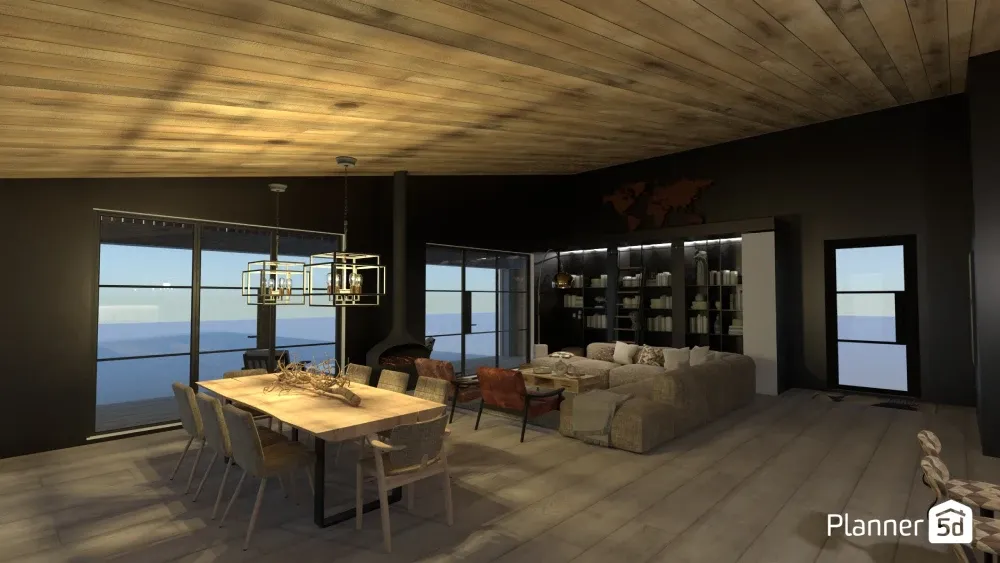
These guides help you create clear zones that feel intentional, not just furniture pushed to the corners of a large room.
- Living + dining layout — How to arrange both functions in a shared space so each area feels purposeful and distinct, even without physical separation between them.
- Studio apartment layout — Covers how to fit sleeping, sitting and cooking into a single room without everything bleeding together. Includes guidance on visual separation and making a small space feel livable rather than cramped.
- Zoning large open rooms — For bigger open spaces that need multiple zones. Covers furniture placement, rug sizing, and how to use sightlines and anchoring to create clear areas within a single floor plan.
Quick spacing rules
These numbers apply in almost any room. They're worth knowing before you start moving anything, because a layout that looks good on paper can still feel wrong if the clearances are off.
- 30–36 inches minimum for any walkway or main traffic path through a room
- 16–18 inches between the sofa and the coffee table — close enough to reach, far enough to move past
- 24 inches of clearance around dining chairs at a minimum, measured from the back of the chair to the nearest wall or piece of furniture
- TV viewing distance: sit at a distance of at least 1.5 times the diagonal screen measurement — so a 55-inch TV works best from around 7 feet away
- Never block doors or windows with furniture, even partially — it disrupts both traffic flow and natural light
These aren't strict rules that apply in every single case, but they're reliable starting points. If a layout feels wrong and you can't figure out why, check the clearances first. That's usually where the problem is.
Before you start moving things
Measure the room before you touch anything. Knowing the exact dimensions saves a lot of time and effort. Write down the length and width, note where the doors and windows are, mark which walls have outlets or vents, and check the ceiling height if you're thinking about taller furniture or shelving.
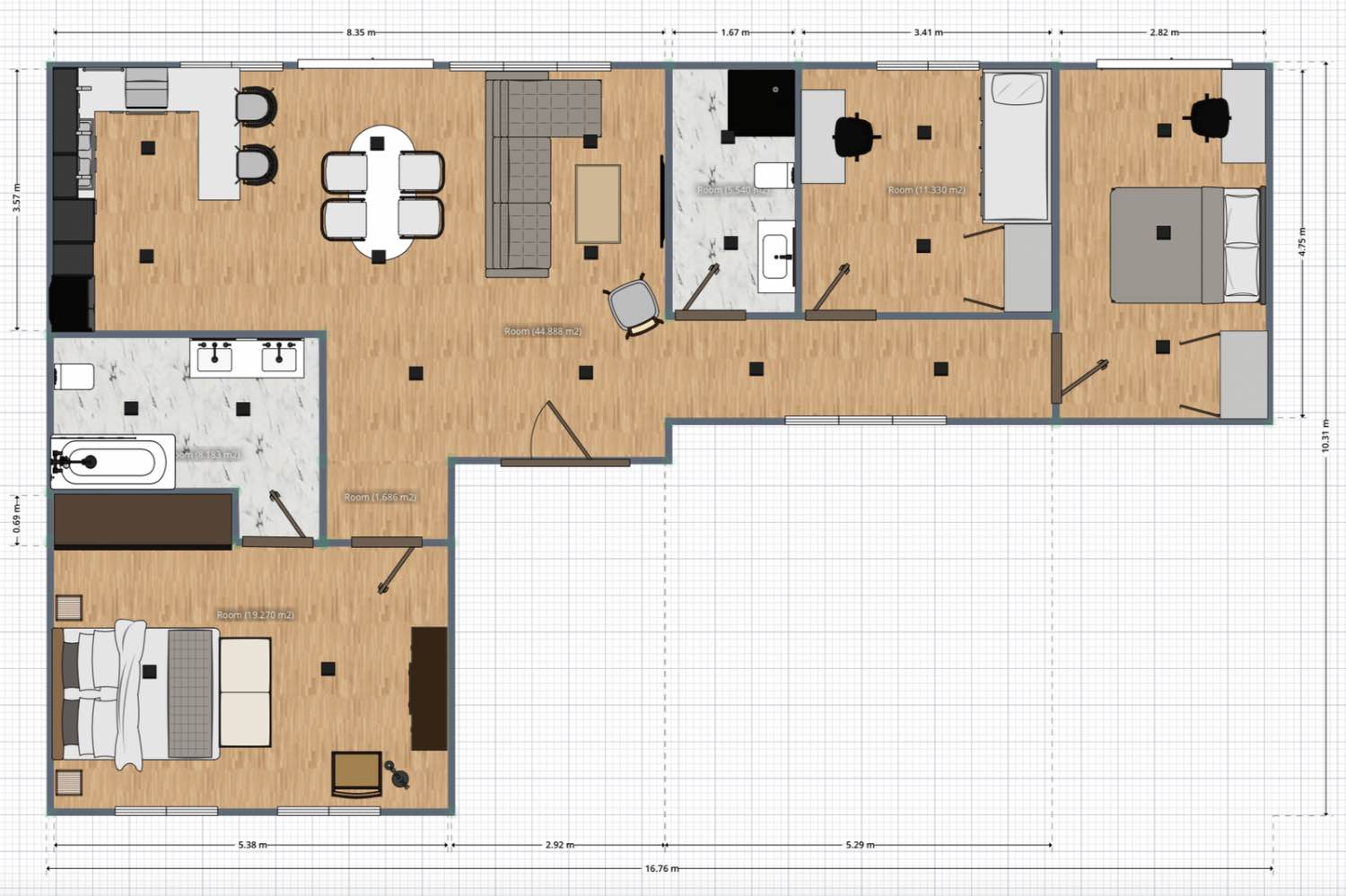
It also helps to know the size of your furniture before you start. A sofa that's 90 inches long in a room that's only 12 feet wide doesn't leave much room for anything else. Getting those numbers down first tells you quickly what's possible and what isn't.
Design smarter, not harder.
AI suggestions tailored to your space and style.
If you're not sure a layout will work, test it on paper before moving anything. A rough sketch with measurements — or a free online floor planner — lets you shift furniture around without lifting anything. Most layout problems are obvious at this stage, which is much easier than discovering them after you've moved the sofa three times.
Once you have a plan that looks right on paper, try it in the room. Live with it for a few days before deciding if it works. The way a space feels when you're actually using it is different from how it looks when you're standing in the doorway.
Planner 5D: The Future of Interior Design
Experience the power of AI-driven design with Planner 5D. Our innovative tools, including the Design Generator, Smart Wizard, and AI floor plan recognition, make bringing your dream home to life easier than ever. Transform your vision into reality and unlock a world of design possibilities today.
Start designing your dream home