What Is a Window Treatment? Definition, Types and Styling Tips
What are window treatments and how do you use them? Learn how to elevate your home decor using drapes, valances, and beautiful layered styles.
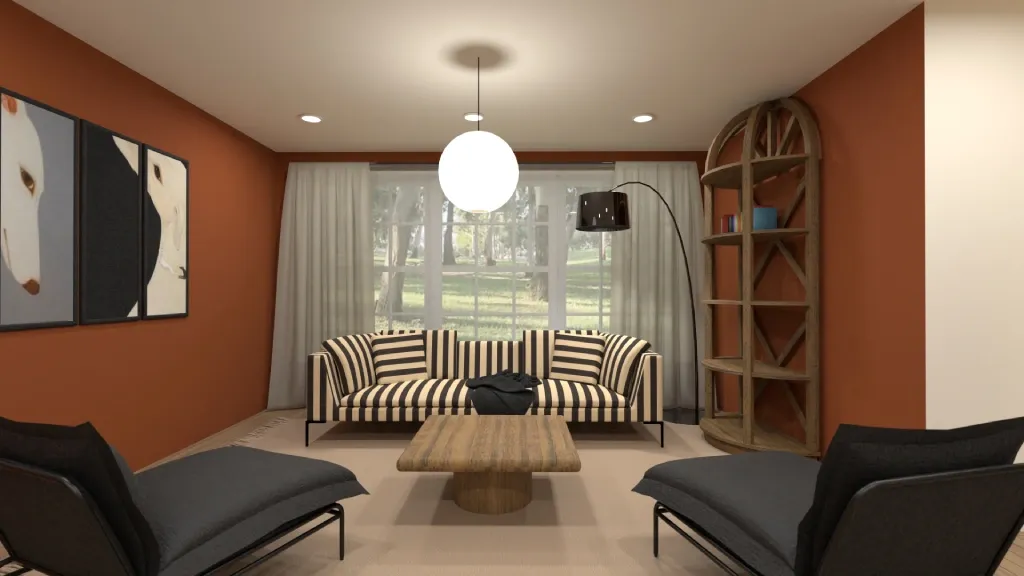
When it comes to dressing up your home, the details matter. If you are looking to elevate your windows, you have likely come across the term window treatment. But what exactly does it mean, and how does it impact your interior design?
Here is the exact breakdown of what a window treatment is, how it transforms your space, and why it is the ultimate finishing touch for your home decor.
What is a window treatment?
Window treatments are about style. Unlike functional window coverings that provide basic utility, such as insulation or light control, window treatments bring color, texture, and elegance to a space.
They serve as a decorative finishing touch that can be customized to create a highly polished, elegant appearance.
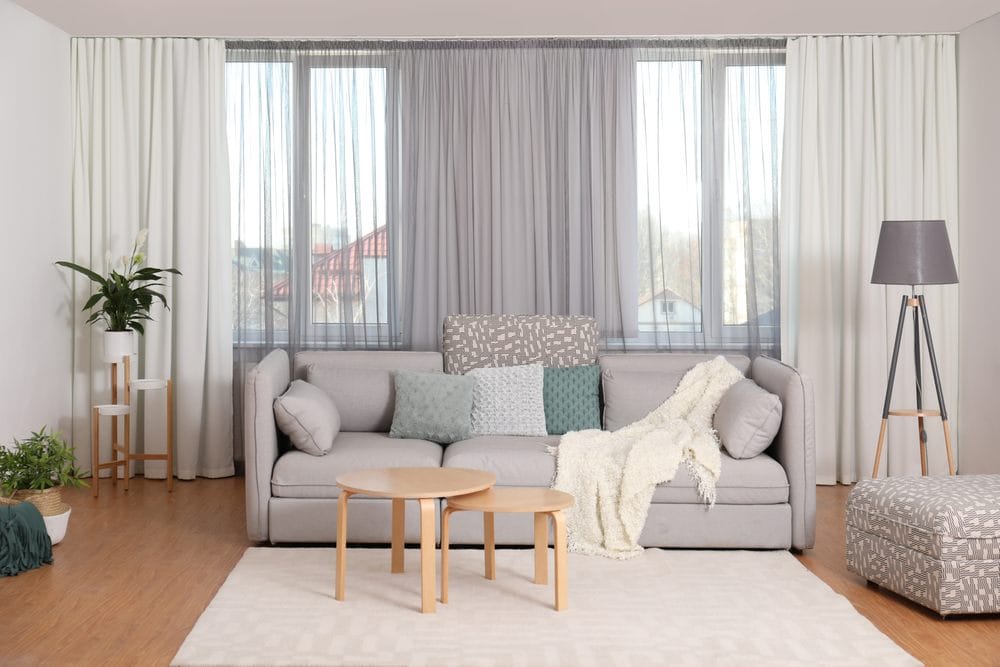
Window treatments work well in living rooms, dining rooms, and spaces where you want to make a design statement. You can often layer them with window coverings for added style and functionality.
Want to design your dream home faster?
Let AI do the heavy lifting with Planner 5D.
Why use window treatments?
While some window features are installed out of sheer necessity for privacy, window treatments are all about making a design statement. They offer immense design flexibility and are incredibly versatile additions to your home:
- Enhance aesthetics: Window treatments can instantly upgrade your visual environment, making your home feel curated and cohesive.
- Highly customizable: They are available in a massive variety of colors, patterns, and materials to match any interior design style.
- Ideal in social spaces: Because they focus on style, window treatments work exceptionally well in living rooms, dining rooms, and any area where you want to impress guests or elevate the decor.
- Function and practicality: Window treatments can be seamlessly layered over practical window coverings (like blinds or shades). This combination gives you the absolute best of both worlds: essential everyday functionality paired with sophisticated visual flair.
Main types of window treatments
Drapes and curtains
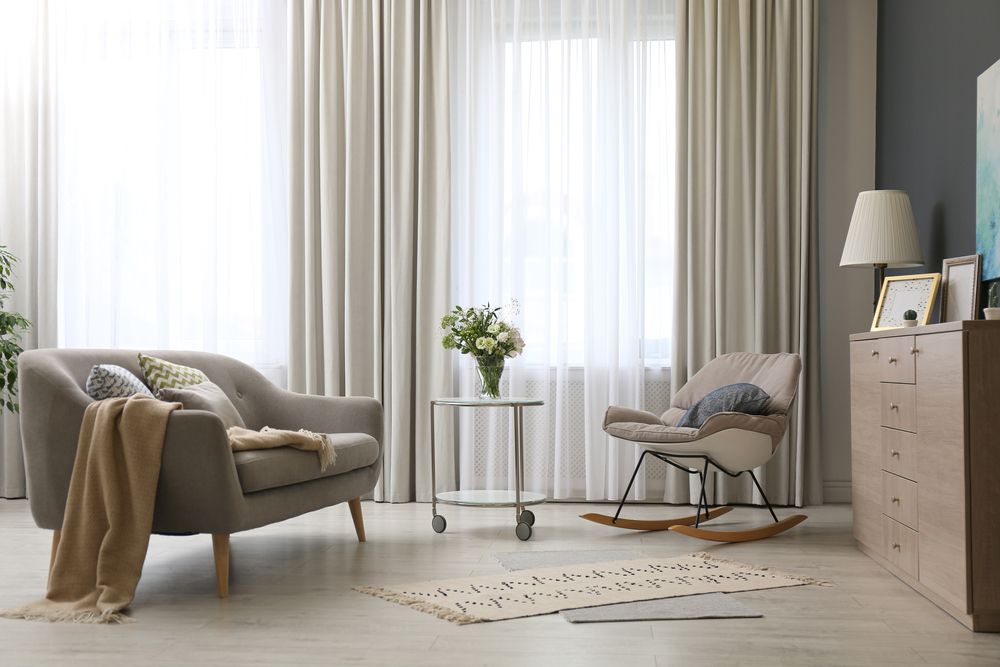
These are fabric panels that hang from rods and come in many styles. They can adapt to any style and decor.
- Drapes are often lined or made of heavier fabric, making them the perfect addition for formal rooms or blocking out light.
- Curtains are unlined and lighter and work well in casual spaces or when you want soft, filtered light.
- Drapes and curtains can be layered together.
- You can find them in pleated, grommet and sheer varieties, making them very flexible.
Valances
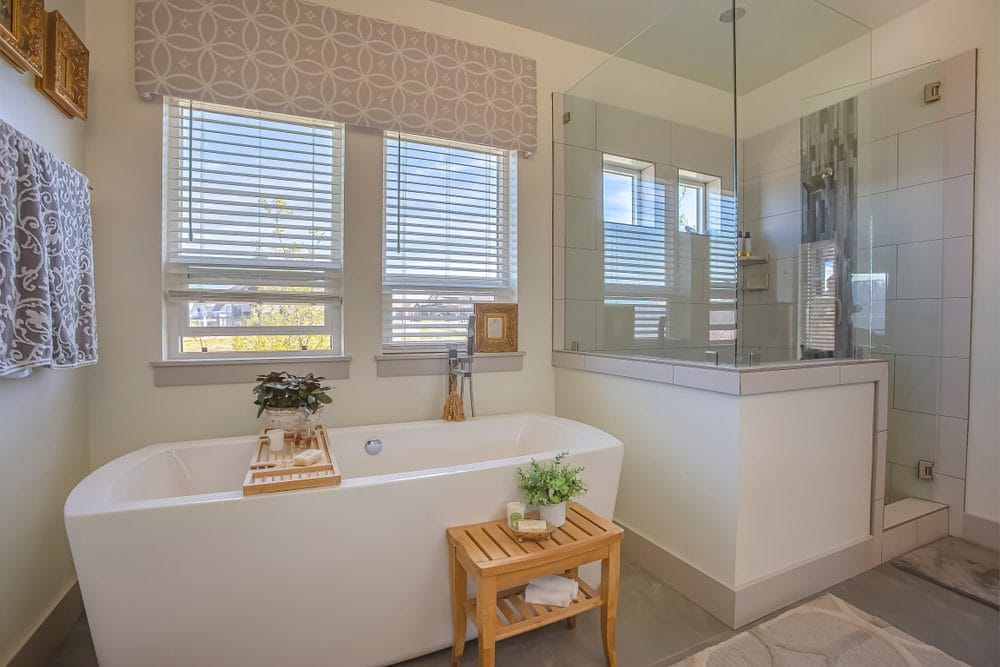
A valance is a short fabric piece that covers the top of a window.
- It can add color and hide hardware like curtain rods or blind mounts.
- Valances can be used alone or in combination with blinds or programs when you want to conceal the drapery hardware.
Cornices
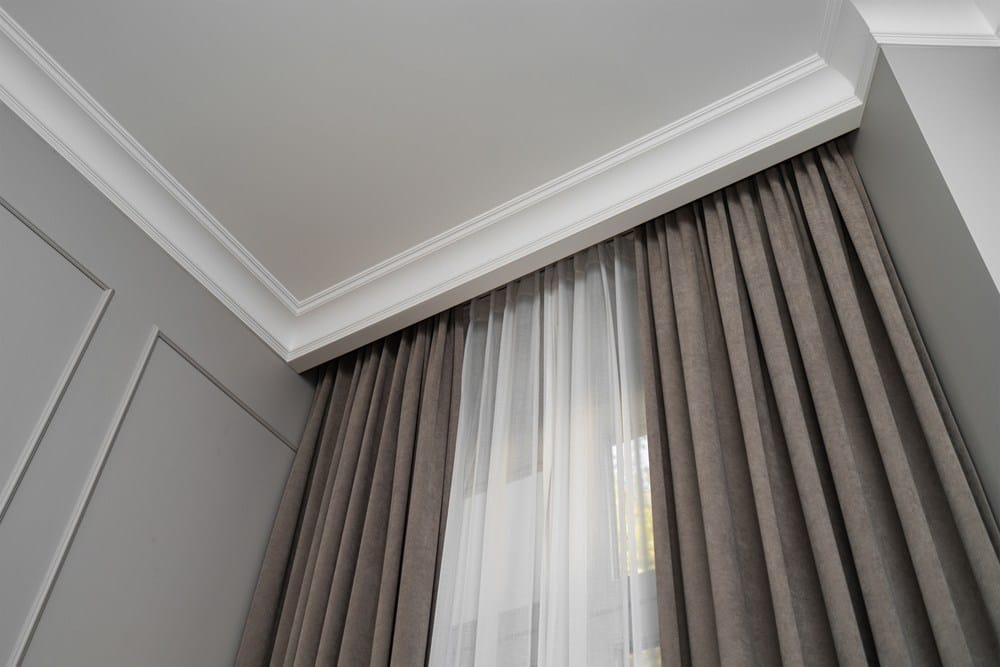
Cornices are similar to valances but made of hard materials like wood or metal.
- They can be upholstered or painted for added style.
- Used in architecture and design, cornices can add visual interest, elegance and style while concealing hardware or wall imperfections.
Tiebacks
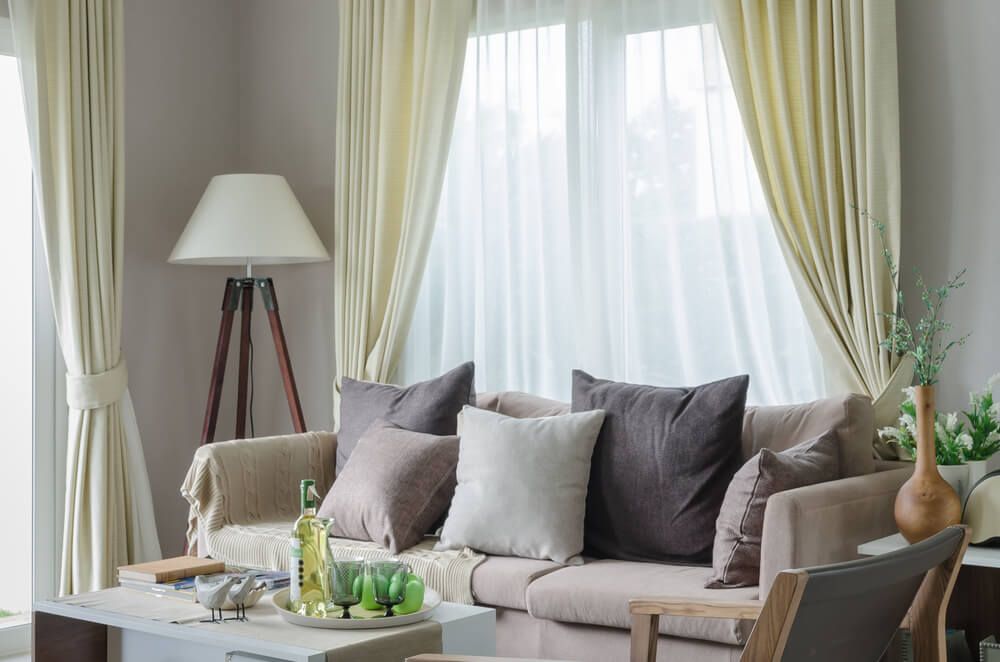
Tiebacks are precisely what they sound like.
- They are decorative pieces that hold curtains or drapes open.
- They can be fabric, rope, leather or metal.
- Use them to add a bit of sophistication to your room and remove them when you want to close the drapes.
Design smarter, not harder.
AI suggestions tailored to your space and style.
Tips for layering your window treatments
Window treatments can be layered over window coverings for added function, flair and style. This approach combines everyday practicality with visual appeal. Here is why:
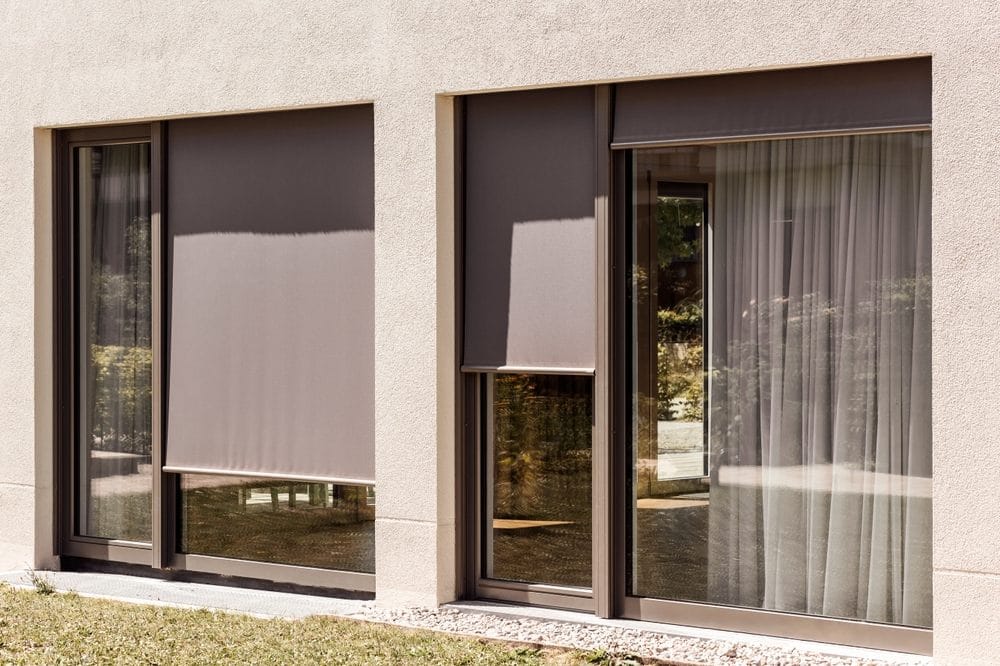
- Layering offers enhanced privacy, better light control, and a more polished look while allowing you to mix textures and colors.
- Pairing cellular shades with sheer curtains increases energy efficiency while creating a soft, diffused light effect.
- In bedrooms, using blackout roller shades behind drapes offers complete darkness when needed while adding luxury, style, and coziness.
- For modern homes, clean, minimalistic window coverings like roller shades or shutters paired with modern treatments like simple drapes or valances work best.
Conclusion
The options you go with will largely depend on your home's decor style, as some coverings and treatments work better in different designs. Don't be afraid to layer coverings and treatments, as that combination might offer the best solution for you.
When deciding which option will work best for your home, try the look you want virtually before you commit. Use software like Planner 5D to play around with different window treatments and coverings to find the style you like best.
Planner 5D: The Future of Interior Design
Experience the power of AI-driven design with Planner 5D. Our innovative tools, including the Design Generator, Smart Wizard, and AI floor plan recognition, make bringing your dream home to life easier than ever. Transform your vision into reality and unlock a world of design possibilities today.
Start designing your dream home