Window Coverings vs Window Treatments: What's the Difference?
Are you confused about the difference between window coverings and window treatments? Then this post is for you.
This article was last updated on May 21, 2026.
When it comes to dressing up your windows, you've probably heard the terms “window coverings” and “window treatments” thrown around. They might seem interchangeable, but they actually mean different things. If you're shopping for your home and are confused about what you are looking for to dress up your windows, you're not alone.
In this post, we discuss the differences between window coverings and window treatments. We’ll explain what each term means, give examples, and help you decide which option, or combination, is best for your space.
What are window coverings?
Window coverings are any material used to cover a window for privacy, light control or insulation. Think of them as the practical solution to keeping your home comfortable and protected, be that from the elements or nosy neighbors.
Want to design your dream home faster?
Let AI do the heavy lifting with Planner 5D.
Window coverings work best in bedrooms (privacy), home offices (glare control), and areas needing insulation (living rooms with large windows). Examples of window coverings include blinds, shades, and shutters. Their primary purpose is a function, for example, blocking light, ensuring privacy, and regulating temperature.
While some coverings can look stylish, they’re usually not the focal point of a room. The most common window coverings include blinds, shades and shutters.
Blinds
Blinds are made of horizontal or vertical slats that can be adjusted to let in light or block it out. They come in various materials like wood, faux wood, aluminum, or vinyl. Popular types of blinds include Venetian blinds and vertical blinds.
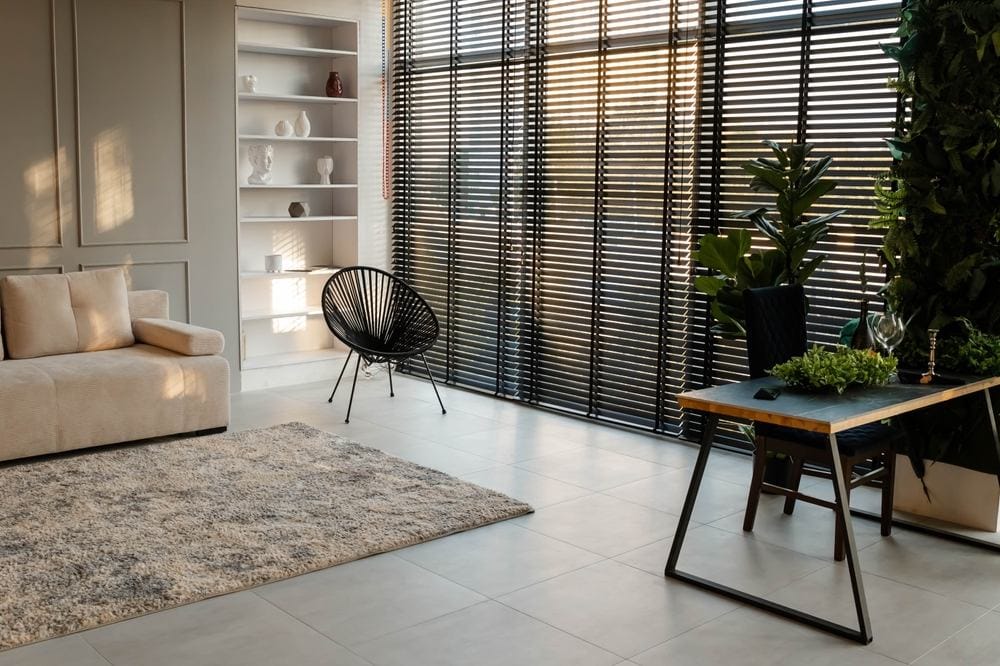
Venetian blinds have horizontal slats that tilt and lift. Vertical blinds, on the other hand, have long vertical slats. They are often used for sliding doors or large windows.
Shades
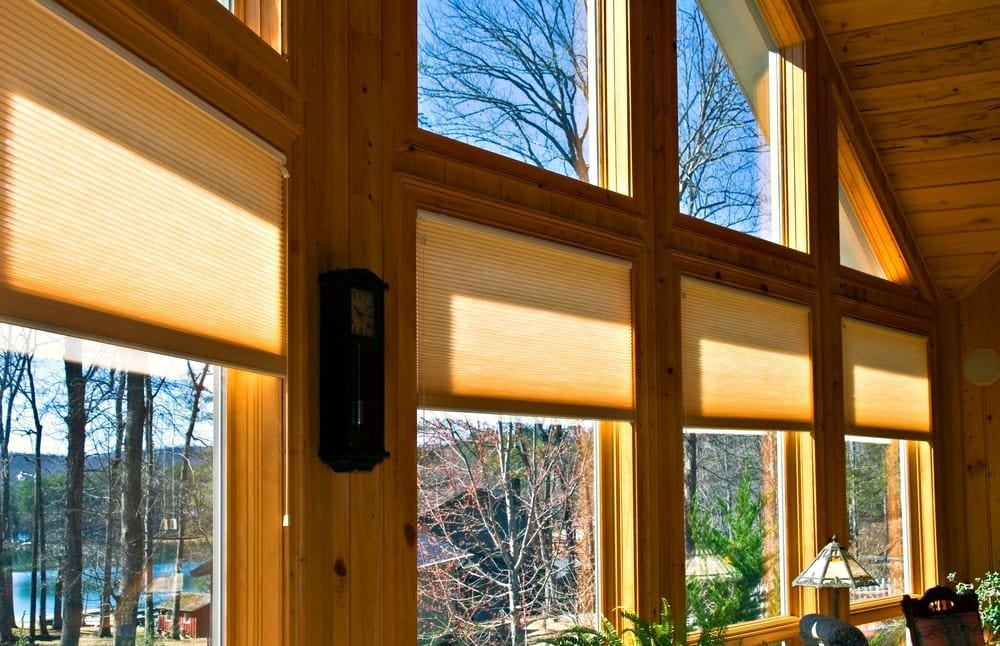
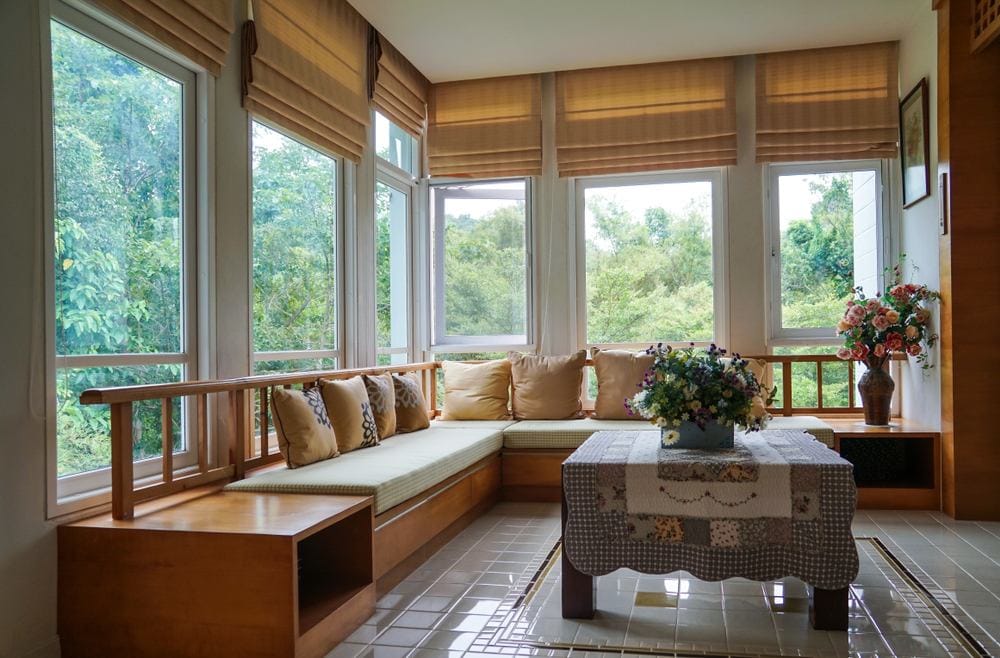
Shades are made from a single piece of material that rolls or folds up and down. They provide a softer, sleeker look compared to blinds. Common examples of shades include roller, Roman and cellular shades.
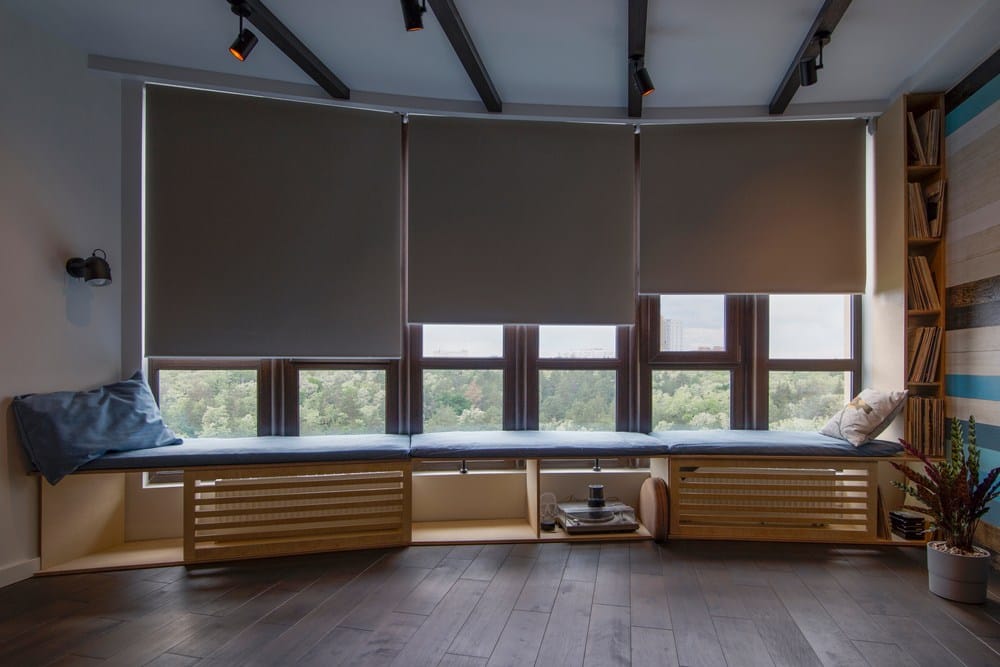
Roller shades are made of a simple fabric panel that rolls into a tube at the top. Roman shades are made of fabric that folds neatly into horizontal pleats. Cellular shades, also called honeycomb shades, have pockets that trap air for insulation.
Shutters
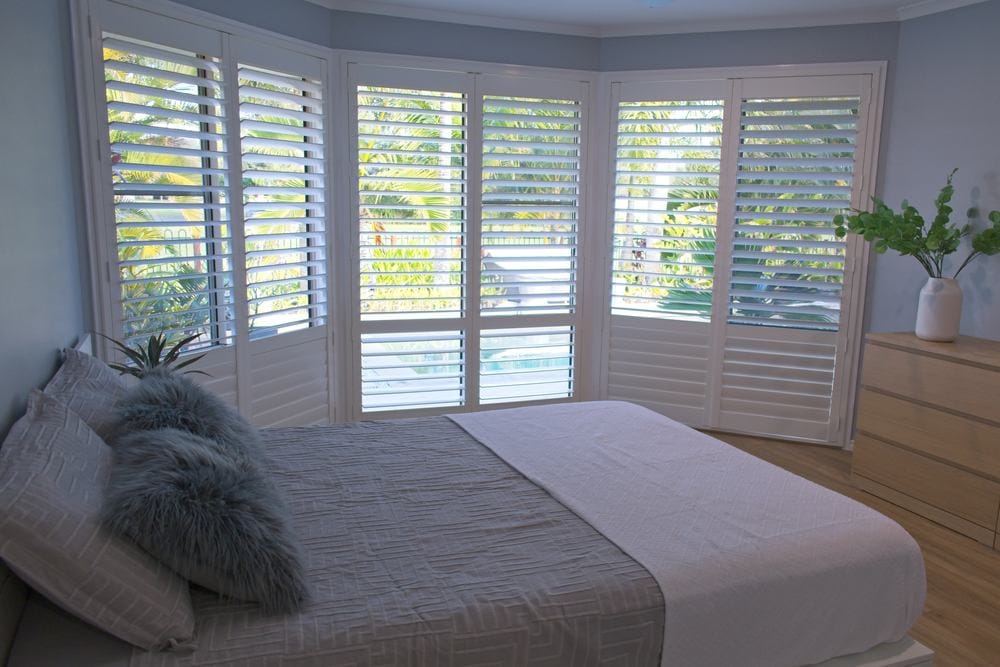
Shutters are solid panels, usually made of wood or faux wood, that are hinged to the window frame. They are durable and offer excellent privacy and insulation. Plantation shutters, with their wide louvres, are a popular choice for a traditional or upscale look.
What are window treatments?
Window treatments are all about style. They add the finishing touches to a room, bringing in color, texture, and elegance. The purpose of window treatments is aesthetic as they enhance the look and feel of your space. They are highly customizable and work well in living rooms, dining rooms, and spaces where you want to make a design statement.
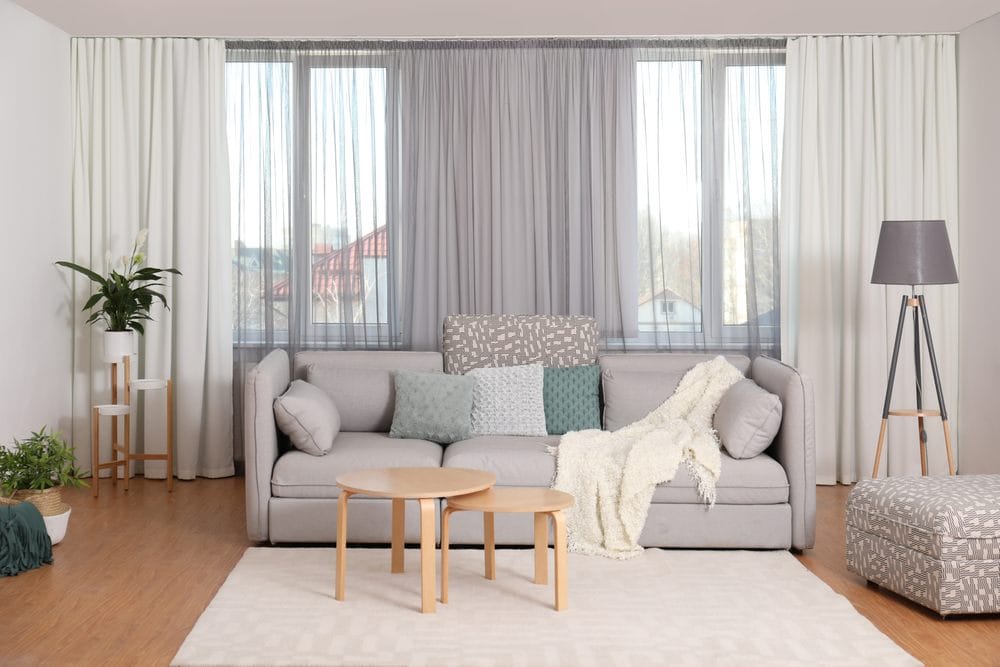
Common examples of window treatments include:
- Drapes and curtains
- Valances
- Cornices
- Tiebacks
For a complete breakdown of these styles and guidance on how to use them, read our full guide to window treatments.
Window treatments work well in living rooms, dining rooms, and spaces where you want to make a design statement. You can often layer them with window coverings for added style and functionality.
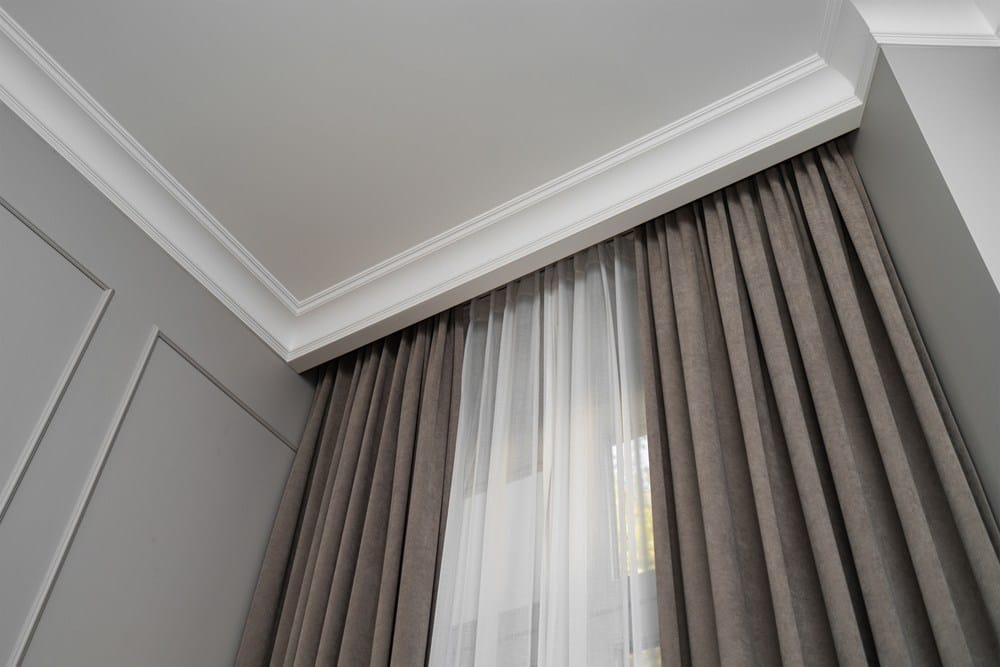
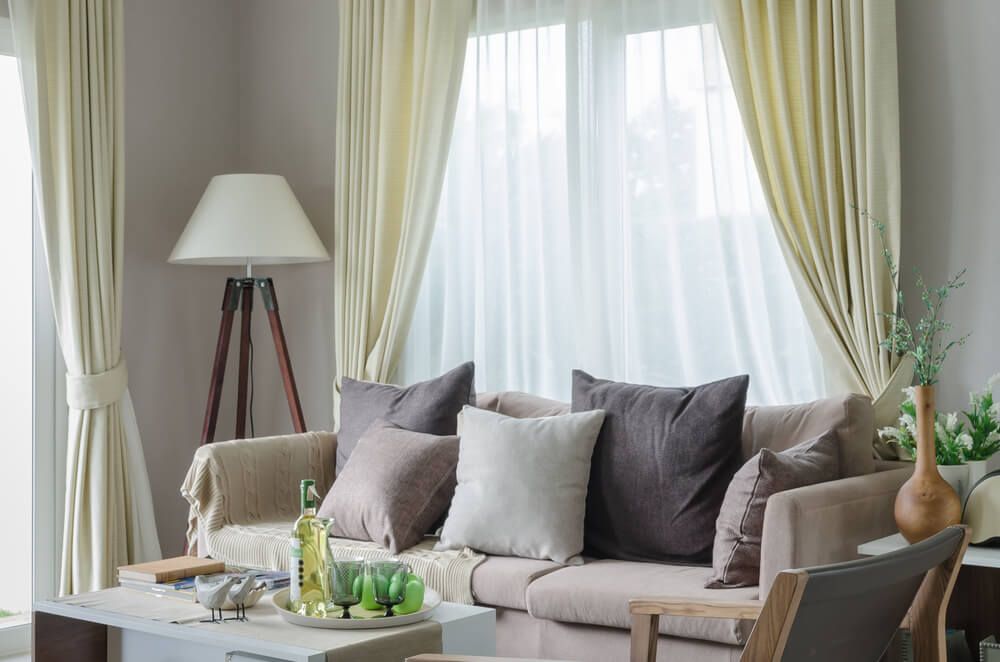
Examples of window treatments
Differences between window coverings and window treatments
The key distinction between the two lies in their purpose. Window coverings are a more practical solution that provides essential benefits such as privacy, light control and energy efficiency. Window treatments are all about enhancing a room's style by creating a polished, elegant look.
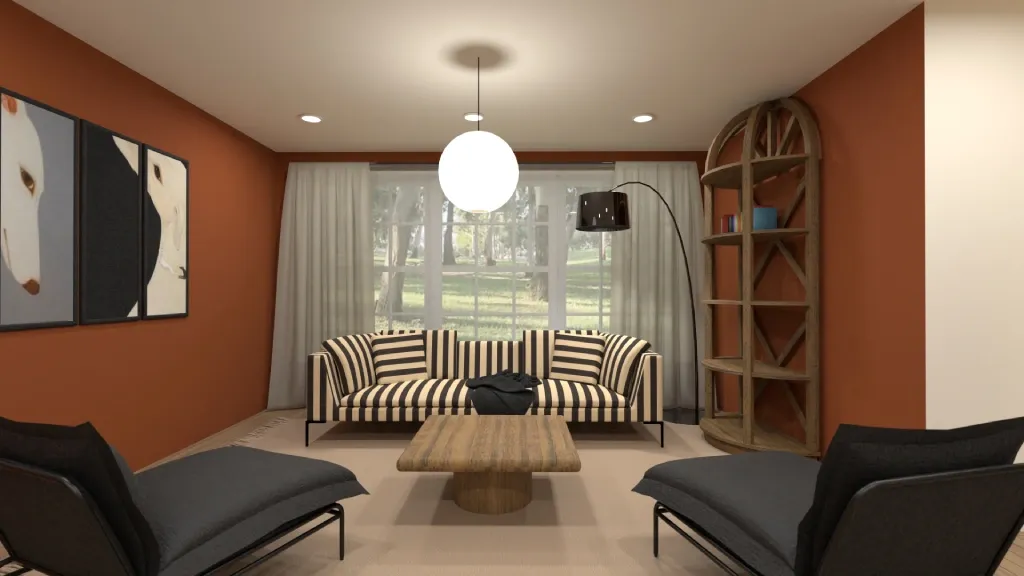
Another difference is the level of customization. Window treatments typically offer greater design flexibility, allowing you to choose from a range of fabrics, patterns, and textures. Window coverings, on the other hand, tend to be simpler in design and offer fewer personalization options.
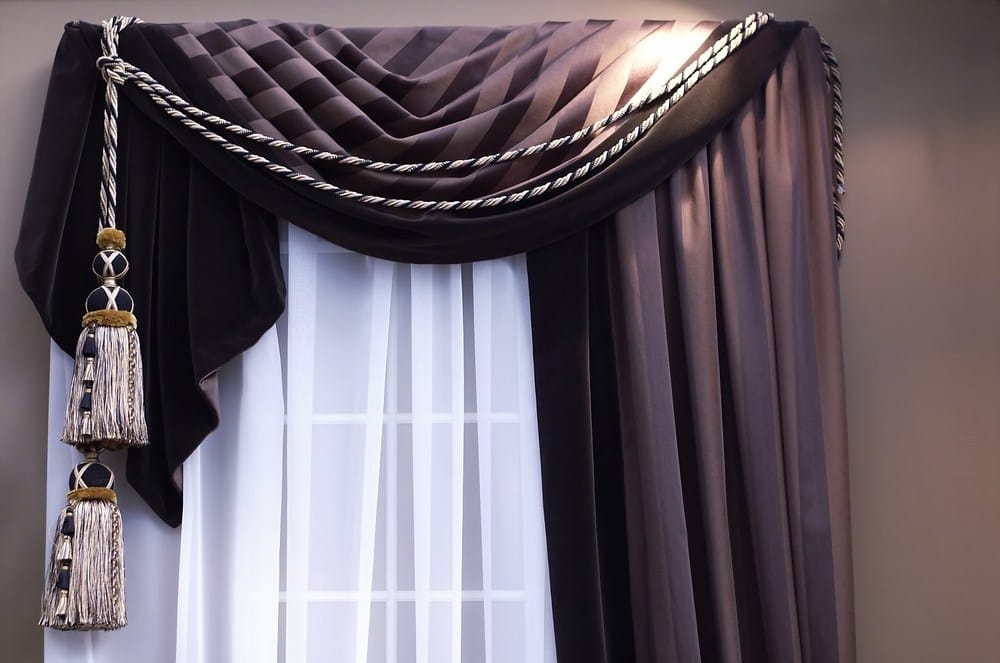
Lastly, layering is an important concept that highlights how these two elements often work together. For instance, pairing blackout shades with elegant curtains in a bedroom combines the functionality of effective light control with the aesthetic appeal of a sophisticated window treatment. This layered approach allows you to enjoy the benefits of both styles and practicality.
Which one do you need?
The decision between window coverings and window treatments will be influenced by your priorities. If functionality is your main concern, start with window coverings. Options like blinds, shades, or shutters offer essential benefits such as privacy, light control, and insulation.
Design smarter, not harder.
AI suggestions tailored to your space and style.
On the other hand, if you want to elevate your home's style and add visual interest, invest in window treatments. Use drapes, valances, or tiebacks to add sophistication and create a more custom-looking finish.
Tips for combining both
Combining window coverings and window treatments can be an excellent solution if you want the best of both worlds. Pairing cellular shades with sheer curtains increases energy efficiency while creating a soft, diffused light effect.
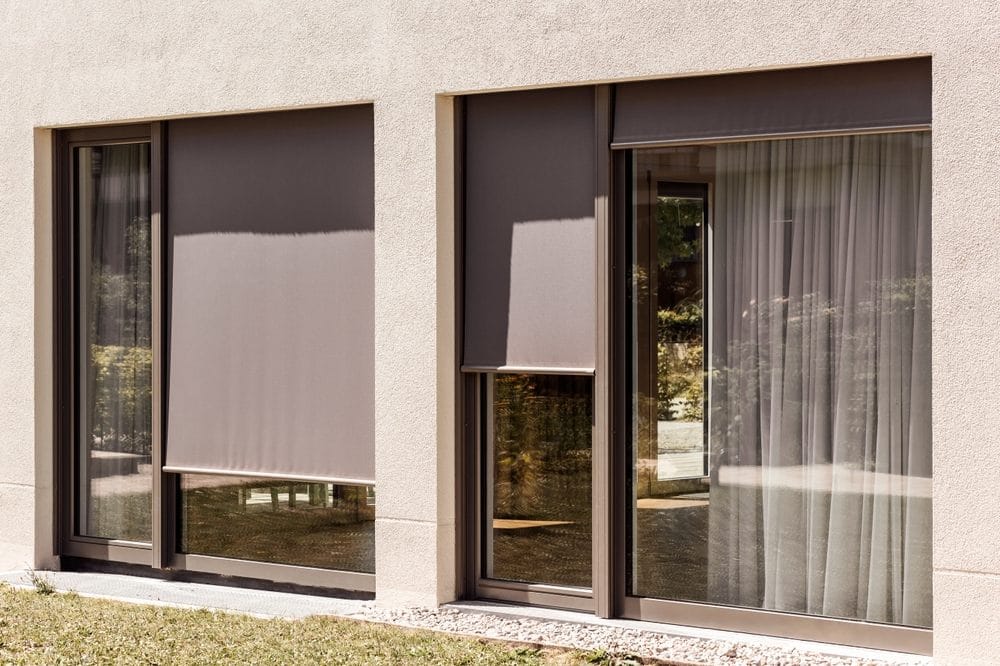
Use plantation shutters with a valance for a polished yet practical look in your living room. In bedrooms, use blackout roller shades behind drapes for luxury and functionality. This combination offers complete darkness when needed while adding style and coziness.
Conclusion
As you can see, window coverings and treatments serve different purposes yet can work together. The option you choose will largely depend on your home's decor style, as some coverings and treatments work better with different designs. Don’t be afraid to layer coverings and treatments, as that combination might offer the best solution for you.
When deciding which option will work best for your home, try the look you want virtually before you commit. Software like Planner 5D offers different window treatments and coverings you can play with to find the style you like best.
For expert advice, consult a design professional or store specializing in window decor solutions. The right combination can transform your windows and your entire room.
FAQs
Can window treatments and window coverings be used together?
Yes, both window treatments and window coverings complement each other and can be used together. Window coverings control light and privacy, while treatments add style. Learn more about these styling options in our dedicated guide to window treatments.
What’s the best choice for a modern home?
Clean, minimalistic window coverings (e.g., roller shades or shutters) with modern treatments like simple drapes or valances work best in modern homes.
How do I choose between blinds and shades?
Blinds are ideal for adjustable light control and privacy, while shades are better for a soft, seamless look and insulation. Choose which one works best with your interior design style for the best result.
What are the benefits of layering window treatments?
Layering offers enhanced privacy, better light control, and a more polished look while allowing you to mix textures and colors.
Planner 5D: The Future of Interior Design
Experience the power of AI-driven design with Planner 5D. Our innovative tools, including the Design Generator, Smart Wizard, and AI floor plan recognition, make bringing your dream home to life easier than ever. Transform your vision into reality and unlock a world of design possibilities today.
Start designing your dream home