5 Kitchen Lighting Ideas for a Brighter Space
Lighting is a key feature of any kitchen. Here is what to keep in mind when choosing lighting for your kitchen,
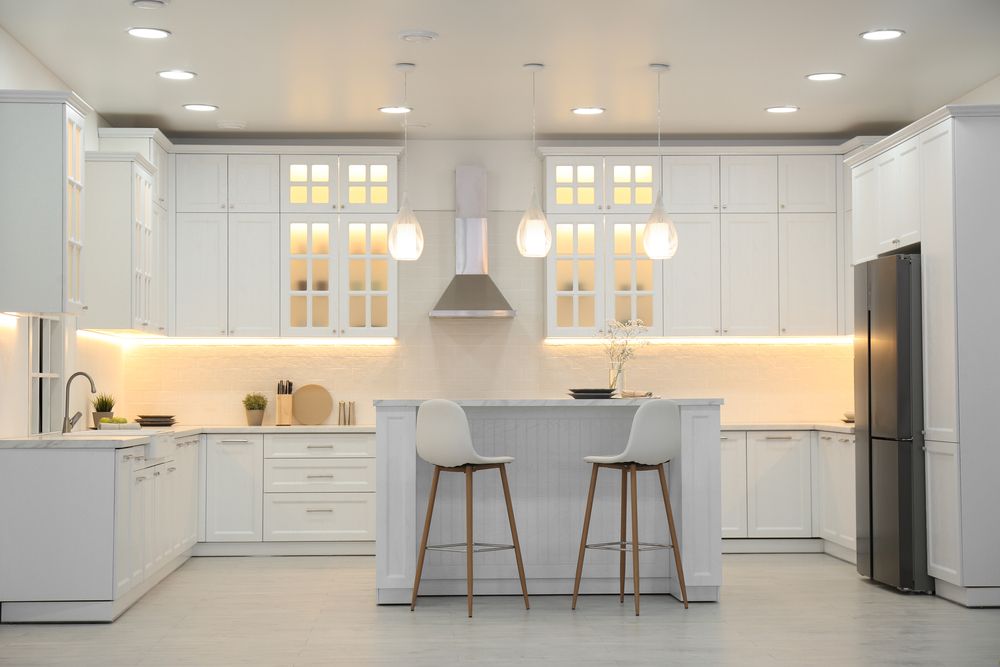
Lighting is the secret to designing a functional and stylish kitchen. You don't need to be an expert or spend a fortune on an electrician to create a well-lit kitchen. With a few simple steps, you can arrange proper lighting in your cooking and dining areas on your own.
In this post, we share creative kitchen lighting ideas to help you brighten up your space. Plus, we discuss some key features to consider when calculating how much light you need, picking out light fixtures, and matching them with your kitchen decor.
Three major types of kitchen lighting
Like in every other room, lighting is essential in the kitchen. You should have three different light sources in your kitchen as they all serve different purposes and work together to create a well-lit and functional space.
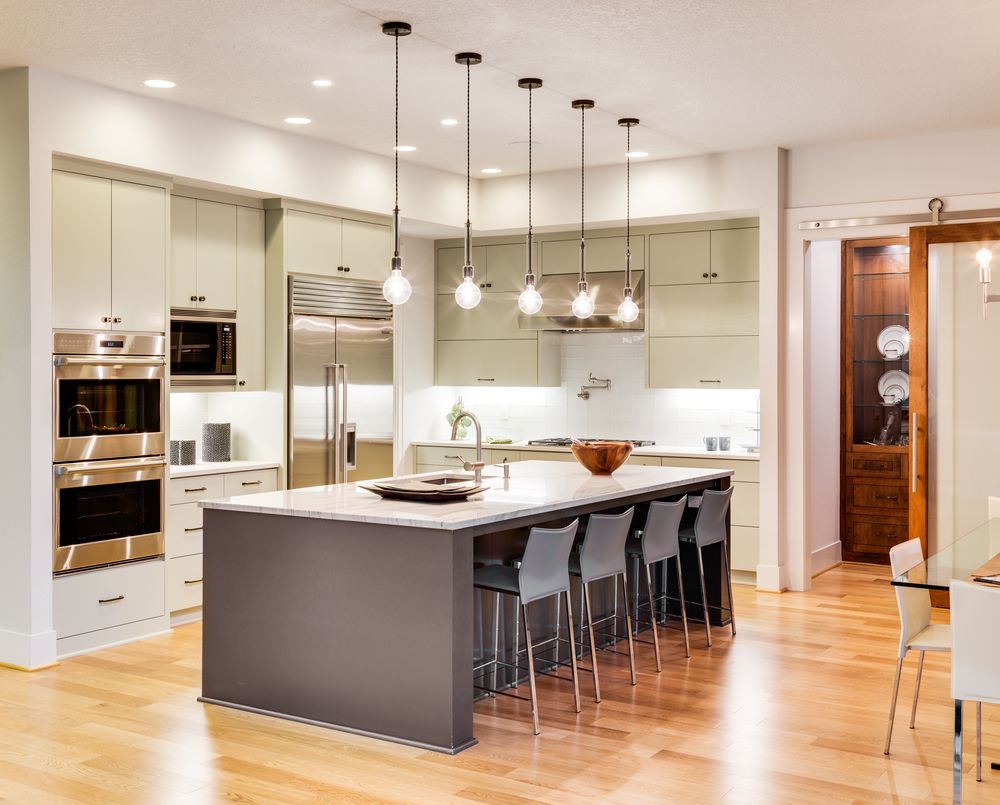
- General (or ambient) lighting: Overall illumination lets you see around safely and comfortably.
- Task lighting: Focused and concentrated lighting on specific work areas, such as the countertop, sink, or stove, so you can perform your tasks more efficiently.
- Decorative lighting: Adds visual interest, highlights decorative features and creates a cozy and inviting atmosphere.
Combining all three can enhance your kitchen's functionality and aesthetic appeal, helping you achieve a well-balanced and practical design.
General kitchen lighting guidelines
Let's start with general kitchen lighting. Usually, central lighting is created with a sizable light fixture on the ceiling.
Want to design your dream kitchen?
Try the Planner 5D kitchen designer today
The primary function is to spread light evenly throughout the entire room. So, it is essential to select an appropriate light fixture.
How to pick your fixture
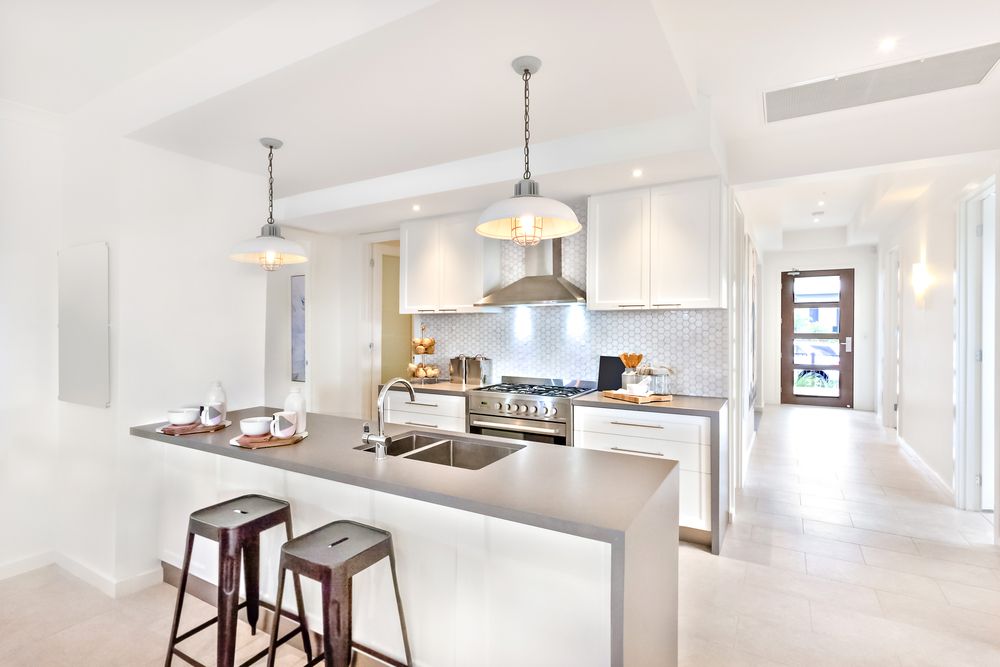
To decide on the fixture, consider the kitchen style, room shape, size and any additional factors that can impact lighting.
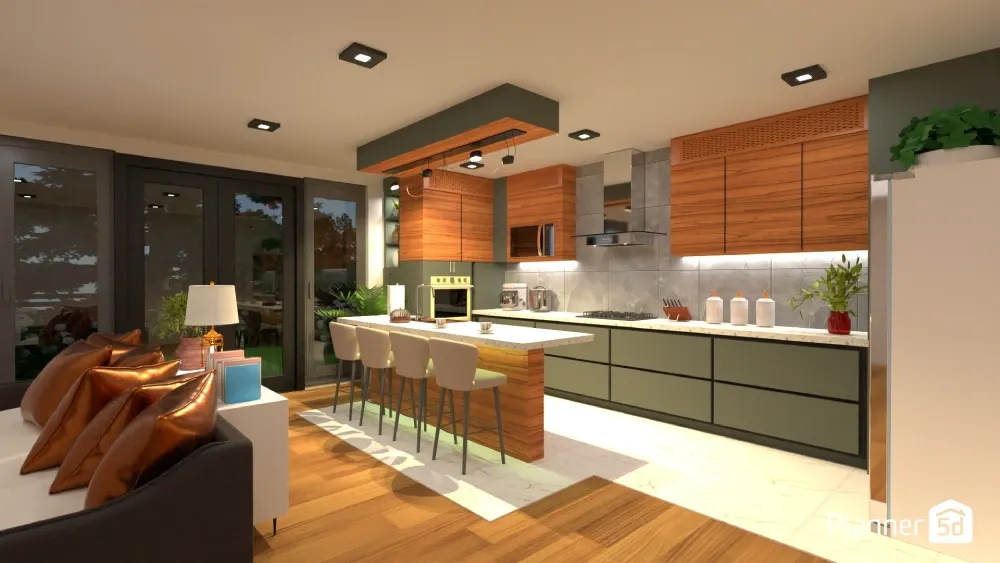
For example, if you plan to hang a chandelier on the ceiling, you must consider proper wiring first. Pot lights are another great option, although they might only work in some spaces.
Common mistake to avoid: Many people tend to hang their kitchen chandelier in the center of the ceiling, which is incorrect.
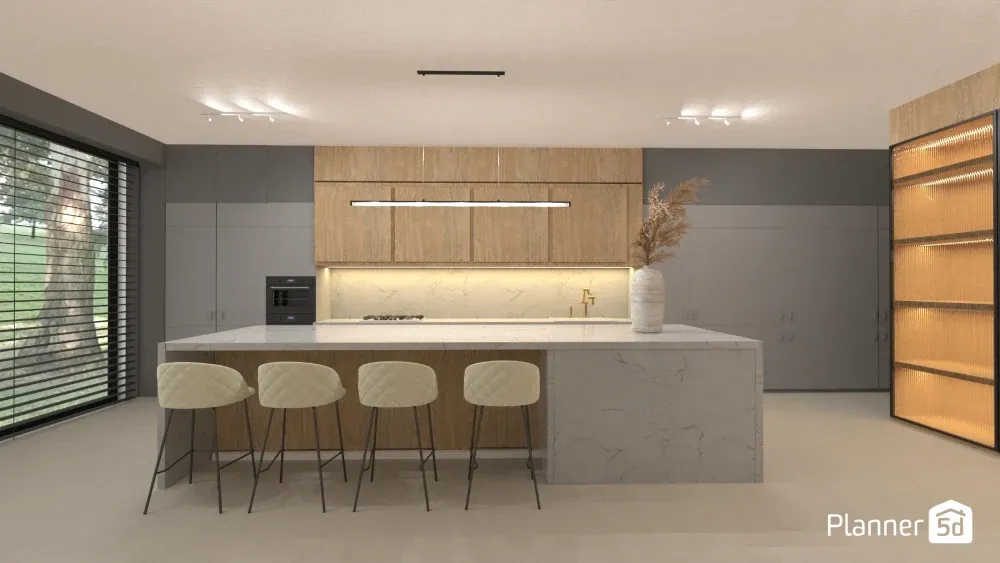
Where to hang your light fixture
Before you hang it up, you have to determine how the chandelier will interact with other objects and light fixtures. Is there enough light for the fringe or countertop?
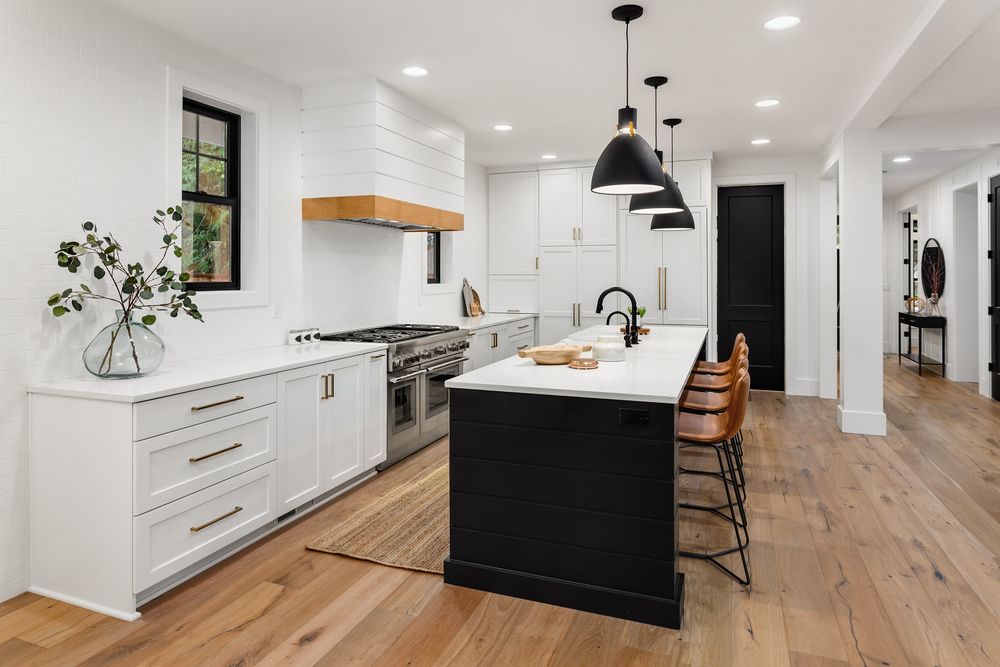
To avoid this mistake, start by designing your kitchen floor plan with all your furniture in place. Then, you need to draw a triangle, stepping a bit from the edge of the kitchen counter.
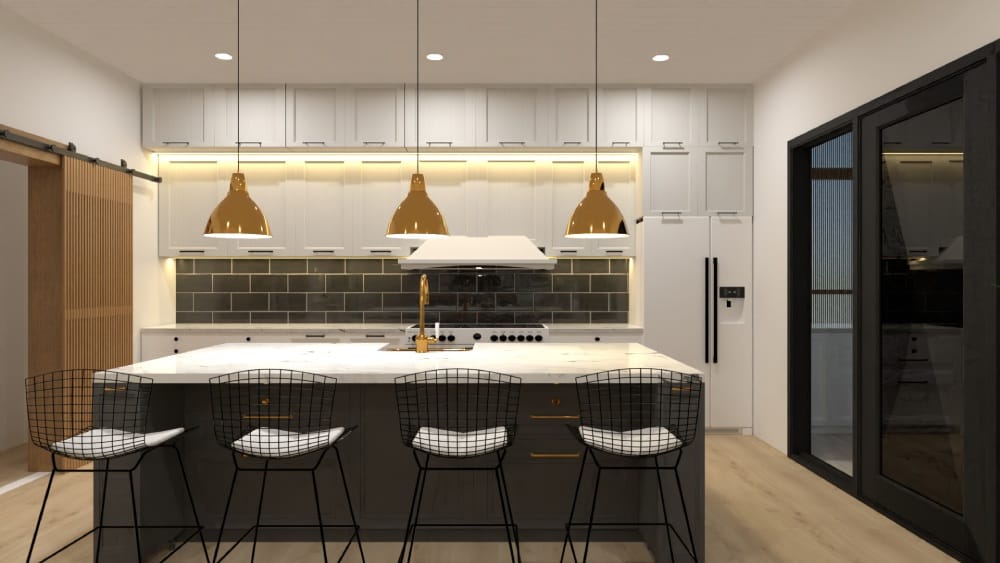
The last stage is to locate the central point, which would be the best spot for your chandelier.
Pro tip: Always consider the shape and layout of your kitchen. A chandelier will not work well in a narrow, long space, so you might consider pot lights instead.
The process is still the same. Find the center of the ceiling, step back from the kitchen counter, and place lamps alongside furniture.
What to avoid
Some light fixtures should not be used for general lighting. Rail lighting, for example, had become extremely popular, especially in loft-style spaces.
However, they generally come with visually heavy construction, which will suit only rooms with high ceilings. Besides, they are more complicated to mount.
Accent lighting
After you've made a decision about general lighting locations, you may start considering where to place your accent lighting.
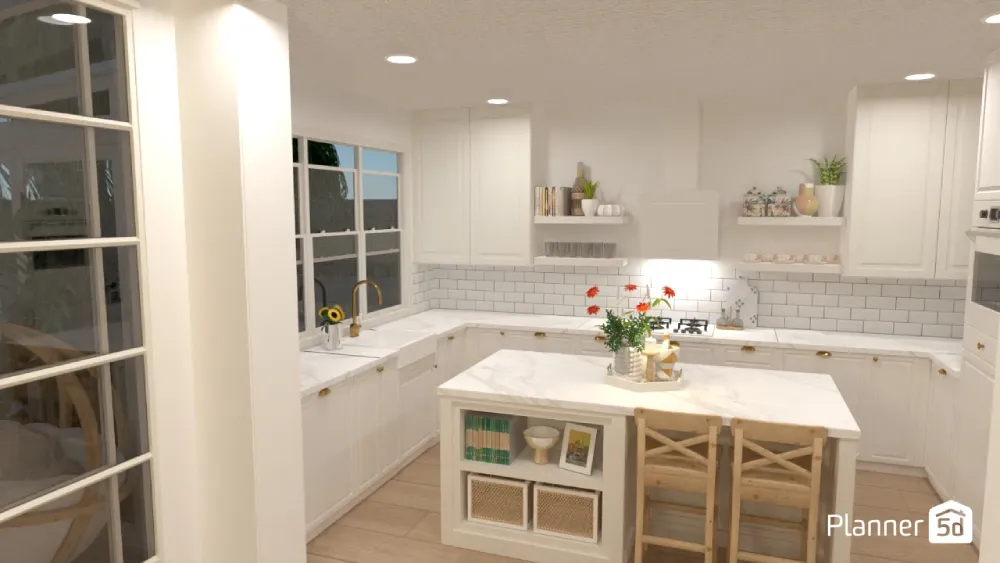
Accent lights can make your kitchen tasks, such as cooking and chopping, a lot more comfortable.
Layer your accent lights
For maximum functionality, use two levels of accent lighting. The first should be placed on the ceiling or the bulkhead above the kitchen cabinets.
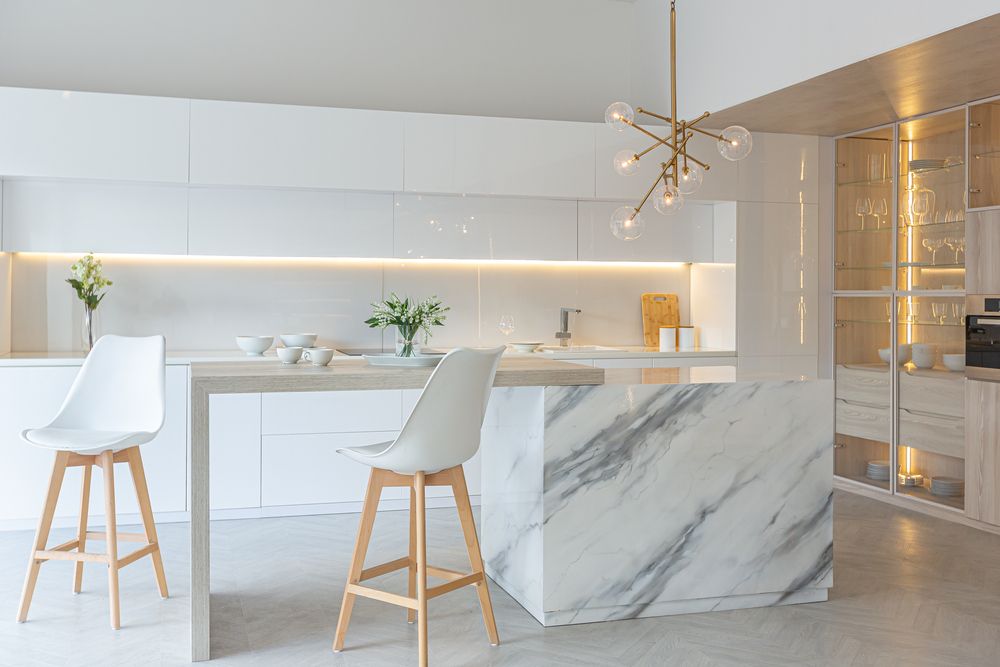
Pot lights or recessed lights will work just fine for this purpose. Place them about 18" from the wall to ensure enough cabinet space.
Common mistake to avoid: Most people new to setting up lighting forget to consider the diameter of the light pendant or lampshade. If the fixture is too big, reserve more space for the cabinet between the wall and the light.
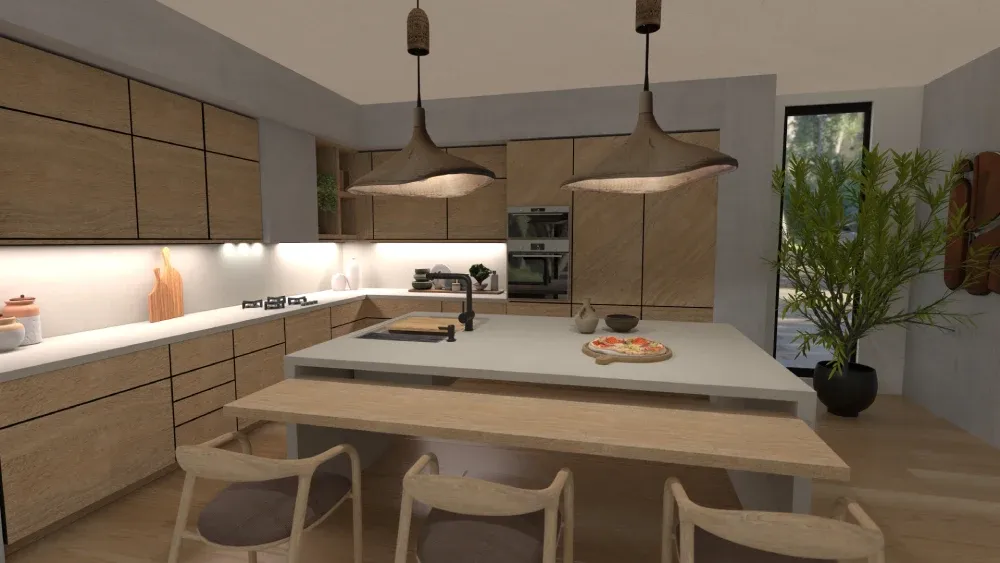
Pro tip: The second level of lighting adds functionality. If you went with pot lights in a narrow kitchen for general lighting, you could skip the first level of accent lighting.
Where to place your accent lighting
Generally, you place the second level of accent lighting under the upper row of kitchen cabinets.
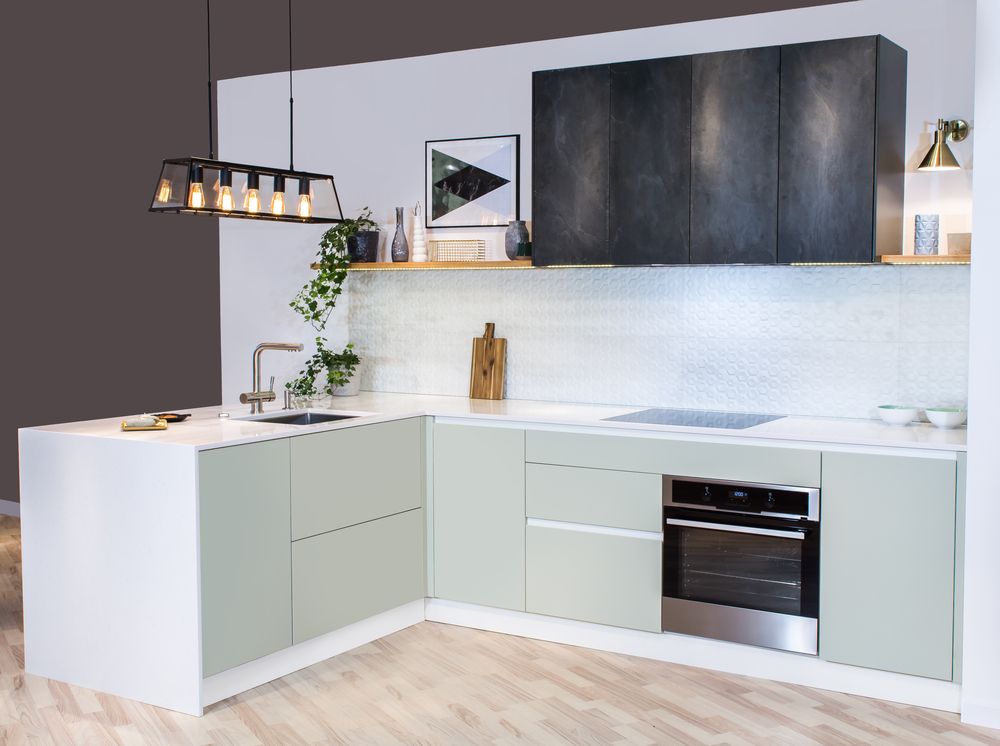
In the past, this was where most people would install pot lights, but over time, LED lights have become a more functional alternative.
Want to design your dream kitchen faster?
Let AI do the heavy lifting with Planner 5D.
They are easy to mount, do not require bulb replacement, and do not interfere with the rest of the room. It is a handy option for people with impaired vision. It can also provide additional illumination in areas with a lack of natural light. The lighter your kitchen is, the better.
Decorative lighting
Decorative lighting is used to create a specific mood, whether you're having coffee with family and friends or having a romantic dinner.
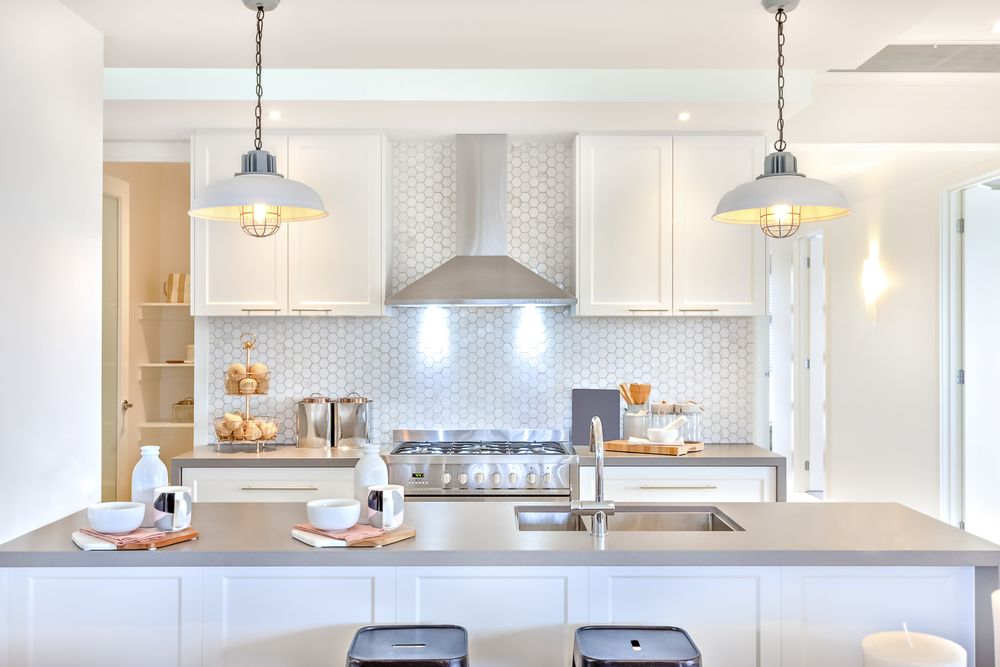
As a general rule, decorative lighting is typically placed in the dining area. There are three different types:
- Hanging pendant lights with a long cord, chain or rod. They will work great if the general lighting is created with pot lights, not chandeliers.
- Sconces. They are great for creating ambiance and can serve as decor pieces.
- Table lamps. You will need something to place them on, such as a table, bookshelves, or cabinets.
After deciding on the type of kitchen lighting you need, you'll need to select appropriate lamps and light fixtures for your kitchen.
Wiring and switches
The main challenge for many homeowners is arranging lighting before the kitchen is ready. In other words, you need to plan and organize all wiring beforehand.
For accent lighting, you need to make sure there is at least 63" from the floor to the top of the upper kitchen cabinet.
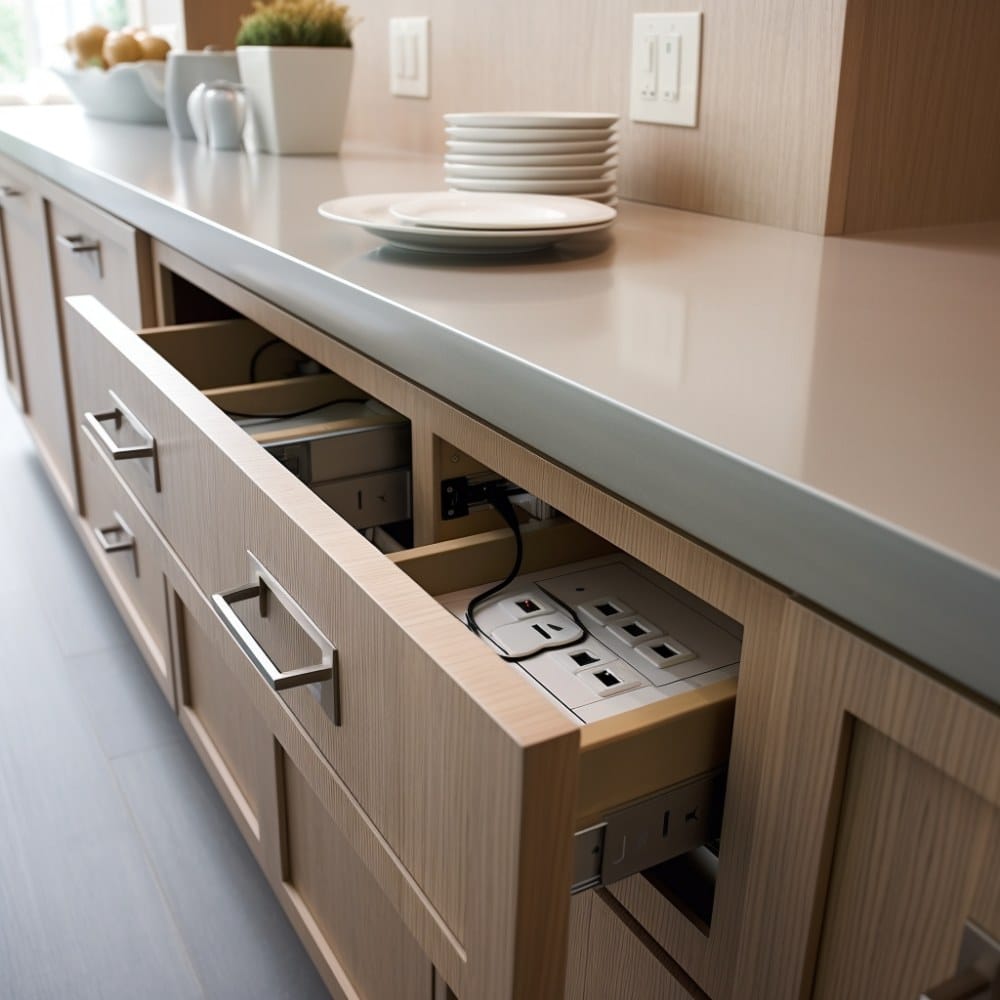
It's a good idea to arrange a separate light switch for the two lighting levels or use a built-in one. Modern models offer movement sensors that automatically switch the light on when someone walks in.
Tips for choosing light fixtures for the kitchen
All your fixtures should be made of the same material, even if you opt for different brands or manufacturers. Buying ready-to-use sets with chandeliers, sconces, and other fixtures of the same style is an easy solution.
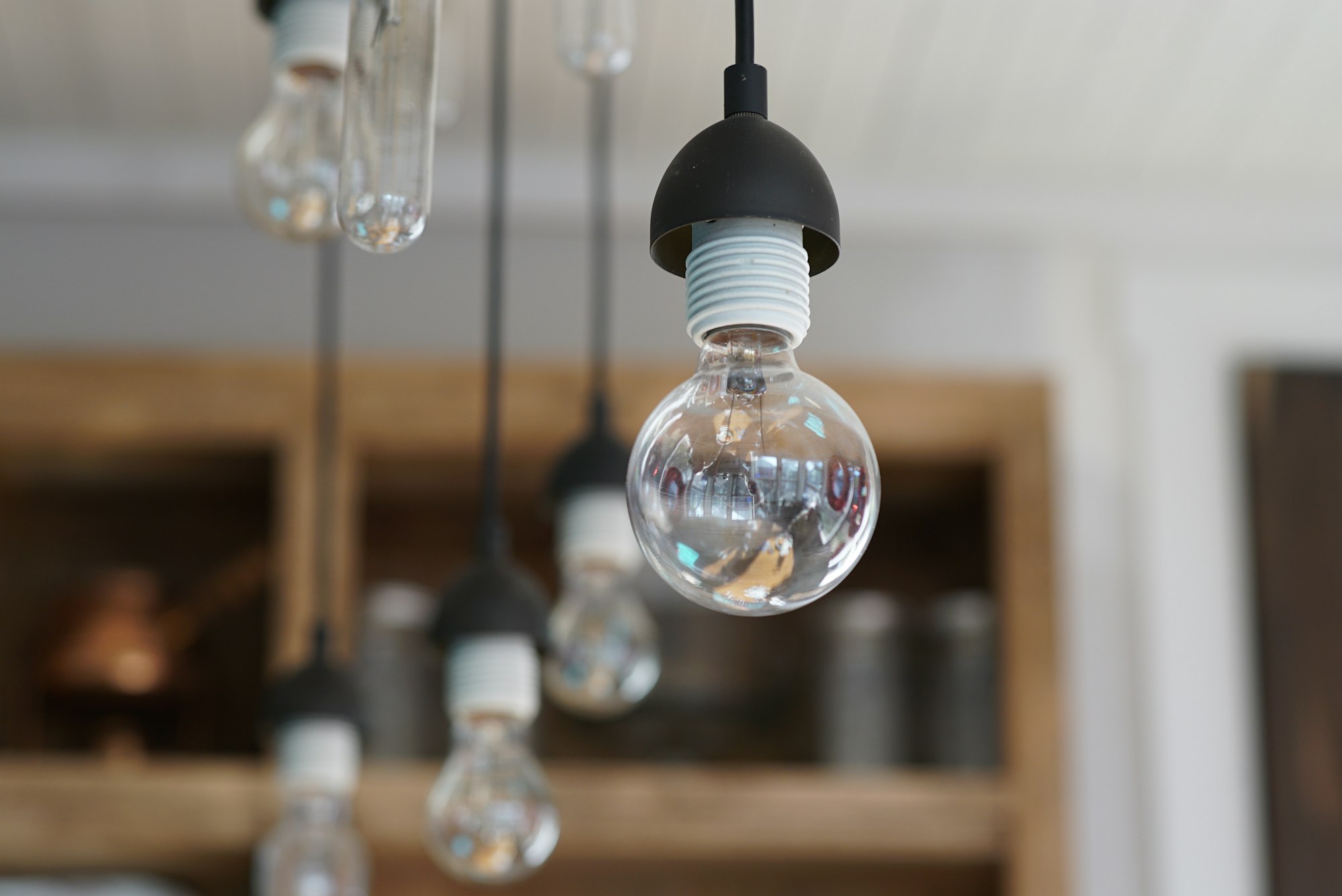
Another thing to consider is the lightbulbs. Not all bulbs can produce the same amount of light or have the same strength.
Choose the voltage that will produce enough light for your space and ensure that your light fixtures can handle the bulb's voltage to avoid tripping your circuits. Luckily, all this information is displayed on the packaging by the manufacturer.
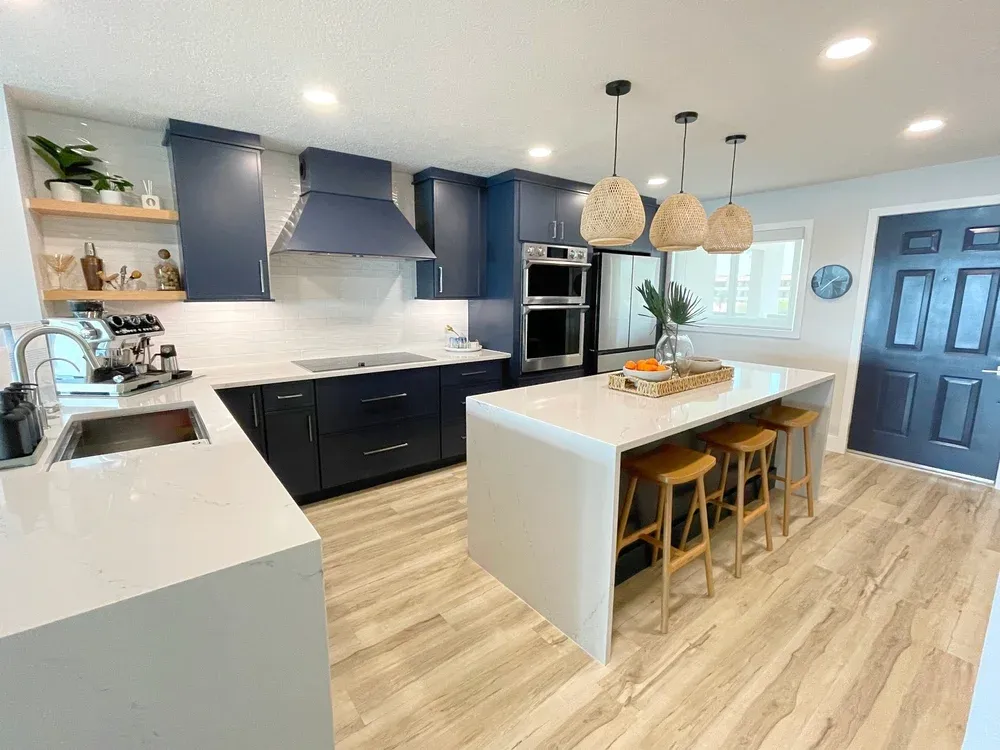
The temperature of the bulbs is also crucial, especially if you buy LED lights. Warmer yellow tones work better for the kitchen, so choose those between 2,500K and 4,000K (where K is the value of the light source temperature).
To make the best of your lighting choices, make sure your lights have different tones and are not the same strength.
Conclusion
A kitchen is a big investment in your home. As you spend a lot of time there, it's important to make it a comfortable and enjoyable place. No matter what kitchen style you choose, make sure you have all the right tools to do the job right.
Planning your renovation project ahead of time will save you a lot of time and frustration. You'll also be able to avoid costly mistakes and complete the job more efficiently.
What is the best lighting for a kitchen?
The best lighting for a kitchen is a mix of ambient, task, and accent lighting. Layering these types creates both functionality and atmosphere. A combination of ceiling lights, under-cabinet lighting, and decorative fixtures works well.
Is 3000K or 5000K better for a kitchen?
It depends on your kitchen’s style and how you use the space. A 3000K warm white creates a cosy, inviting feel, while 5000K daylight is crisp and energizing. Many homeowners prefer something in between for balance.
Should I use cool white or daylight LED for the kitchen?
Cool white LEDs give a clean, bright look that works well for modern kitchens. Daylight LEDs provide higher contrast and make colours appear more vibrant. If you cook often, daylight may be more practical for visibility.
What kind of lighting is best for a kitchen?
The best kitchen lighting combines practicality with design. Ambient lights brighten the whole room, while task lights make food prep safer and easier. Accent lighting can highlight features like open shelves or an island.
Planner 5D: The Future of Interior Design
Experience the power of AI-driven design with Planner 5D. Our innovative tools, including the Design Generator, Smart Wizard, and AI floor plan recognition, make bringing your dream home to life easier than ever. Transform your vision into reality and unlock a world of design possibilities today.
Start designing your dream home