What is Biophilic Interior Design and How to Incorporate it in Your Home
In this post, we look at the biophilic design concept and offer tips for incorporating this design into your home.
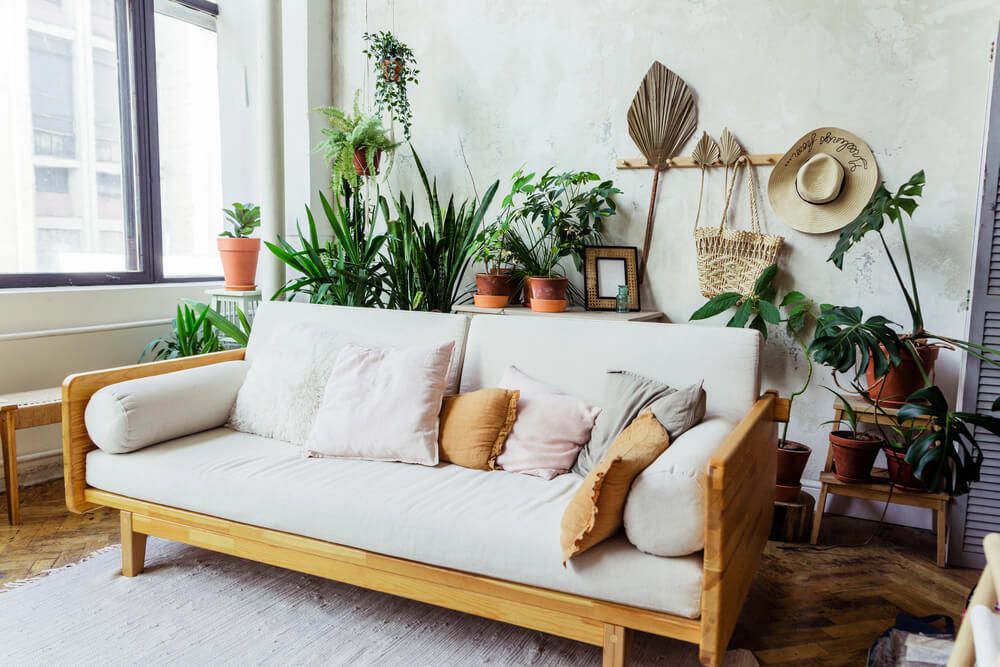
Incorporating elements of nature into our lives has gained a lot of traction in home and office design. Building on nature's positive impact on human health and well-being, biophilic design incorporates natural features that can increase productivity and creativity by reducing stress levels.
In this post, we examine the biophilic interior design concepts and offer tips for incorporating them into your home. It's easier than you think.
What is biophilic design in interior design?
Biophilic design connects people with the natural environment by incorporating nature's elements into a design. The goal is to create a space that feels more like a natural environment and less like a traditional indoor environment.
Want to design your dream home faster?
Let AI do the heavy lifting with Planner 5D.
You can accomplish this in several ways, such as using materials that mimic nature, incorporating plants and greenery into the design, and using natural light wherever possible.
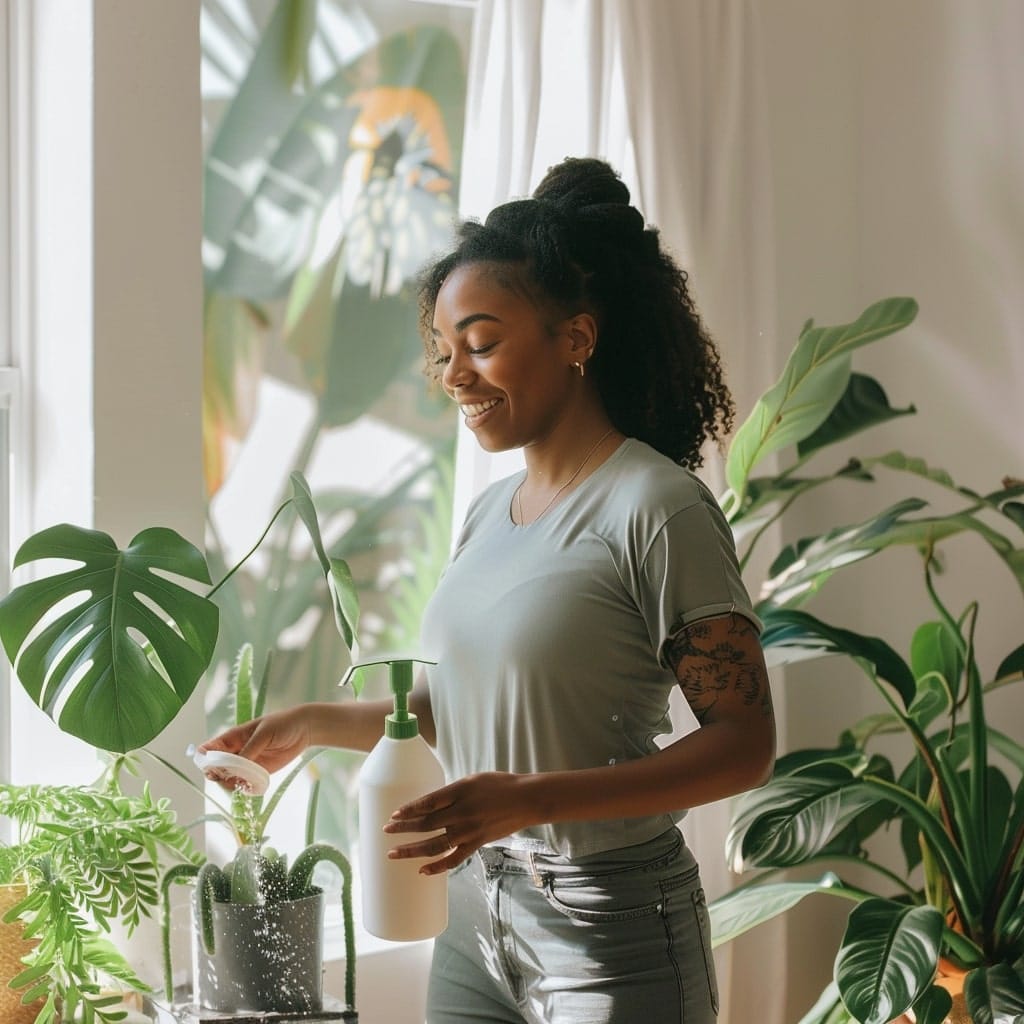
Biophilic design has been shown to have many health benefits, including reducing stress levels, improving cognitive function, and promoting creativity.
It provides a much-needed opportunity to reconnect with the natural environment in a modern society that is increasingly disconnected from nature.
Understanding biophilic principles and strategies
Biophilic design strategies focus on three core biophilic principles: direct nature contact, indirect nature contact, and spatial configurations that reflect natural patterns.
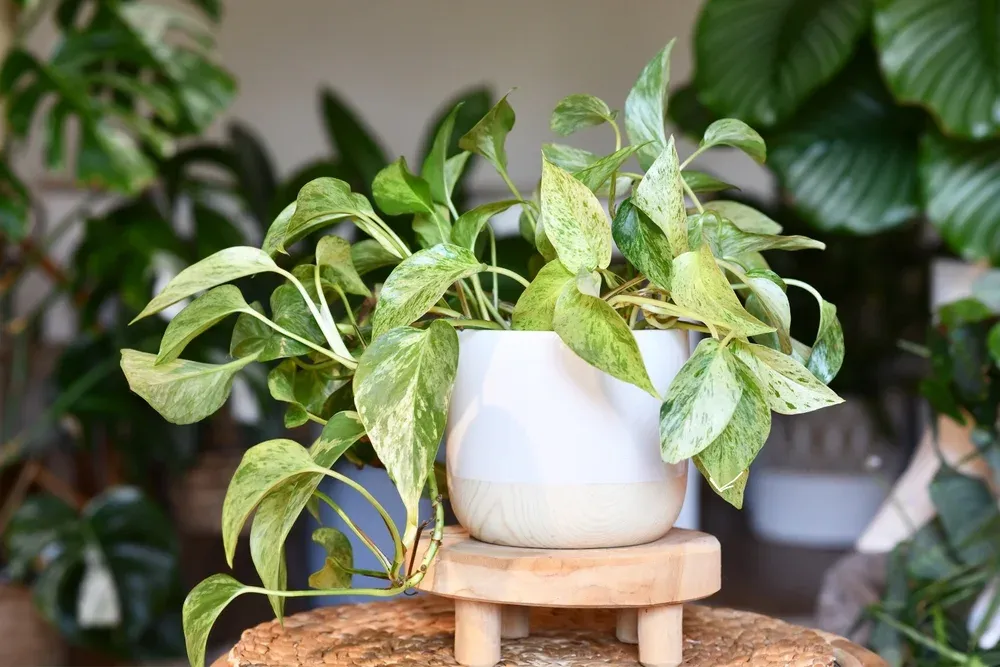
These biophilic strategies help create spaces that support human-nature relationships through various natural features.
The built environment can be transformed using biophilic elements that include natural patterns, organic forms, and naturalistic shapes.
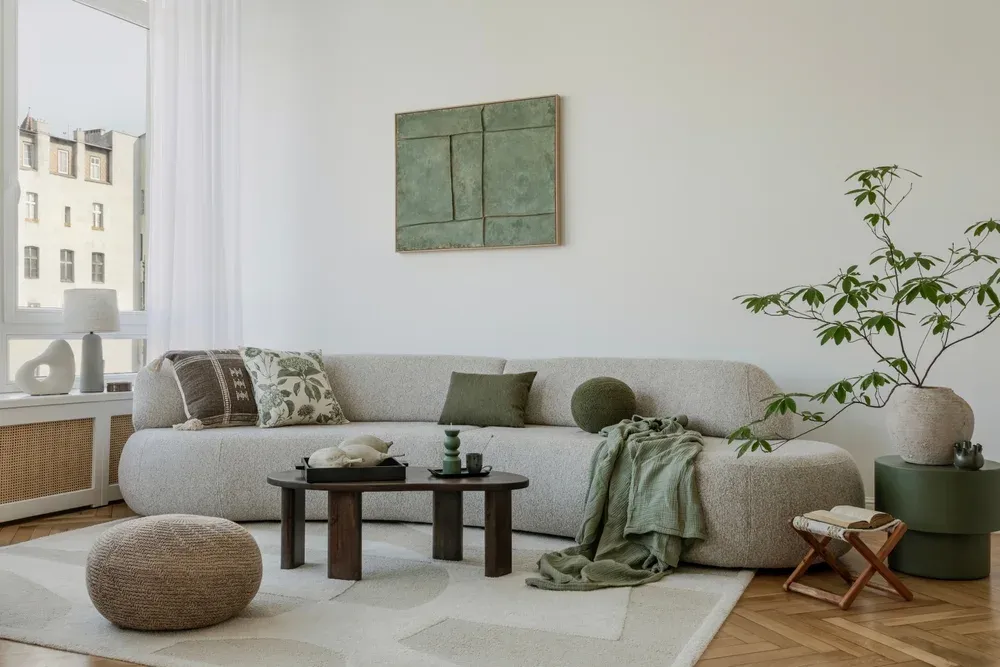
Unlike straight lines common in modern architecture, biophilic features embrace curves and flowing forms that mirror natural landscapes.
Elements of biophilic design principles
- Connection with nature: Biophilic design integrates natural features like plants, sunlight, and organic materials to create a calming, eco-friendly environment.
- Use of natural materials: Incorporating wood, stone, and natural fibers adds texture and warmth, enhancing the indoor-outdoor connection and bringing buildings closer to their natural environment.
- Maximizing natural light: Large windows, glass walls, and skylights allow sunlight to flow in, improving mood and promoting well-being.
- Indoor gardens and plants: Indoor plants not only purify the air but also provide visual interest and a sense of calm in any space.
- Water and earth elements: Including features like water fountains or earthy natural colors creates a harmonious, nature-inspired look.
- Natural ventilation: Allowing fresh air flow helps create healthier interior spaces while connecting occupants to outdoor conditions.
- Natural geometries: Incorporating natural shapes and natural patterns that reflect organized complexity found in nature.
The science behind biophilic design and mental health
Research shows that biophilic elements have significant health benefits for both physical and mental health. Integrating nature into interior environments helps reduce stress hormones, lower blood pressure, and improve focus. This emotional connection to nature stems from our evolutionary ecological attachment to natural landscapes.
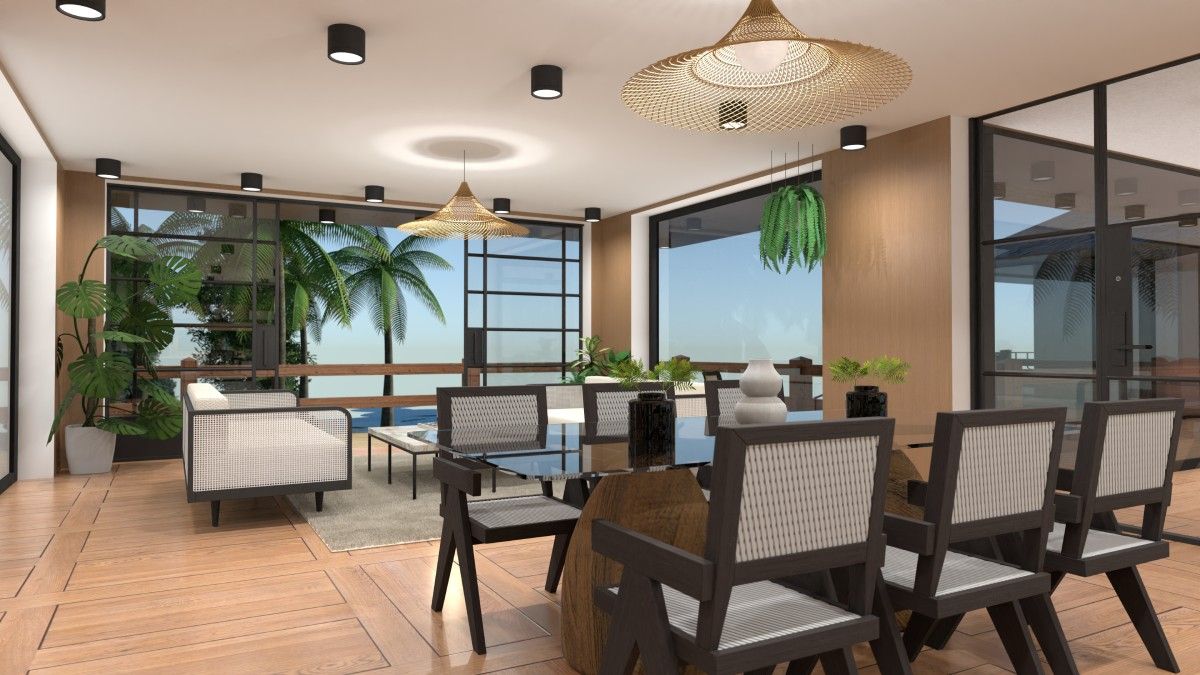
In modern society, where people spend 90% of their time indoors, creating spaces that support human connection to nature becomes important for well-being. Interior spaces designed with biophilic principles help restore this vital link.
How to incorporate biophilic design into your home
The concept of biophilic interior design is all about connecting with the natural environment. You can do that in several ways, including bringing nature inside your home and adding natural features to your outdoor areas.
Add indoor gardens and plants
Adding plants is one of the easiest ways to incorporate nature into your home and one of the main aspects of biophilic interior design. Flowers, herbs and indoor plants look great and add calm and freshness to your home.
They are also great for purifying the air and reducing stress by creating a more relaxing environment.
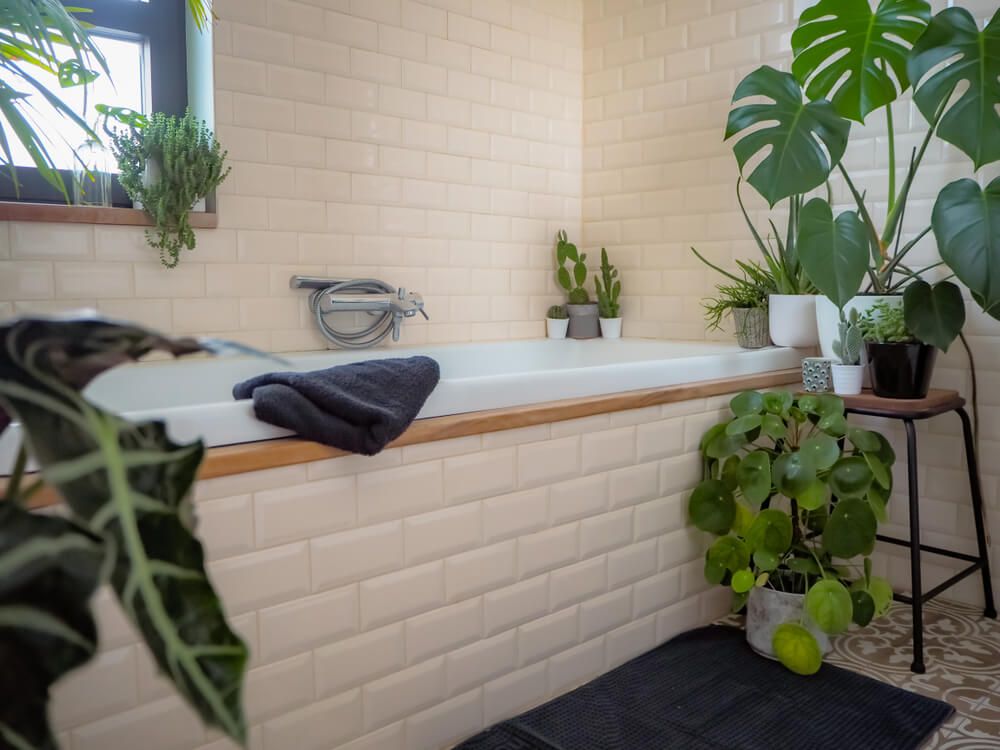
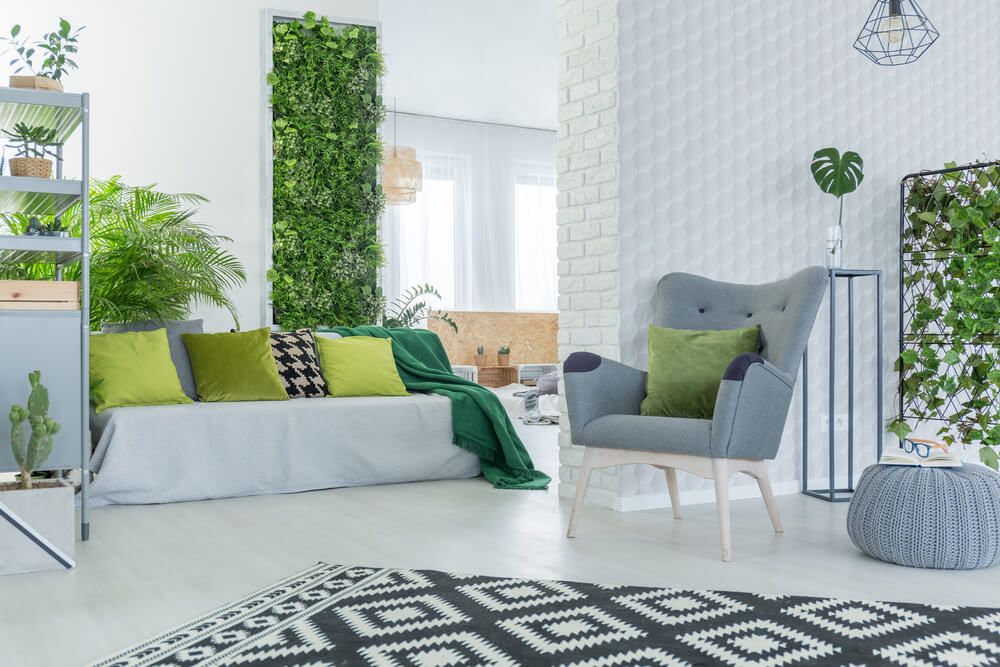
Add lots of plants to your home | Shutterstock
You can add plants to every room in your home, including the bathroom. Select plants that do well in humid environments and don't need a lot of maintenance.
You can also create plant walls, terrariums and herb gardens to add variety and interest to your decor. If you're not particularly green-thumbed, opt for low-maintenance varieties like succulents or snake plants. Plant walls serve as living art pieces that bring natural patterns and organic forms into interior spaces.
Let in the light
One of the best ways to feel connected to the natural environment is by maximizing natural light in your home. It's one of the simplest and most effective ways to bring a biophilic touch to your interiors. Open the curtains and ensure your windows are not obstructed by furniture or large items.
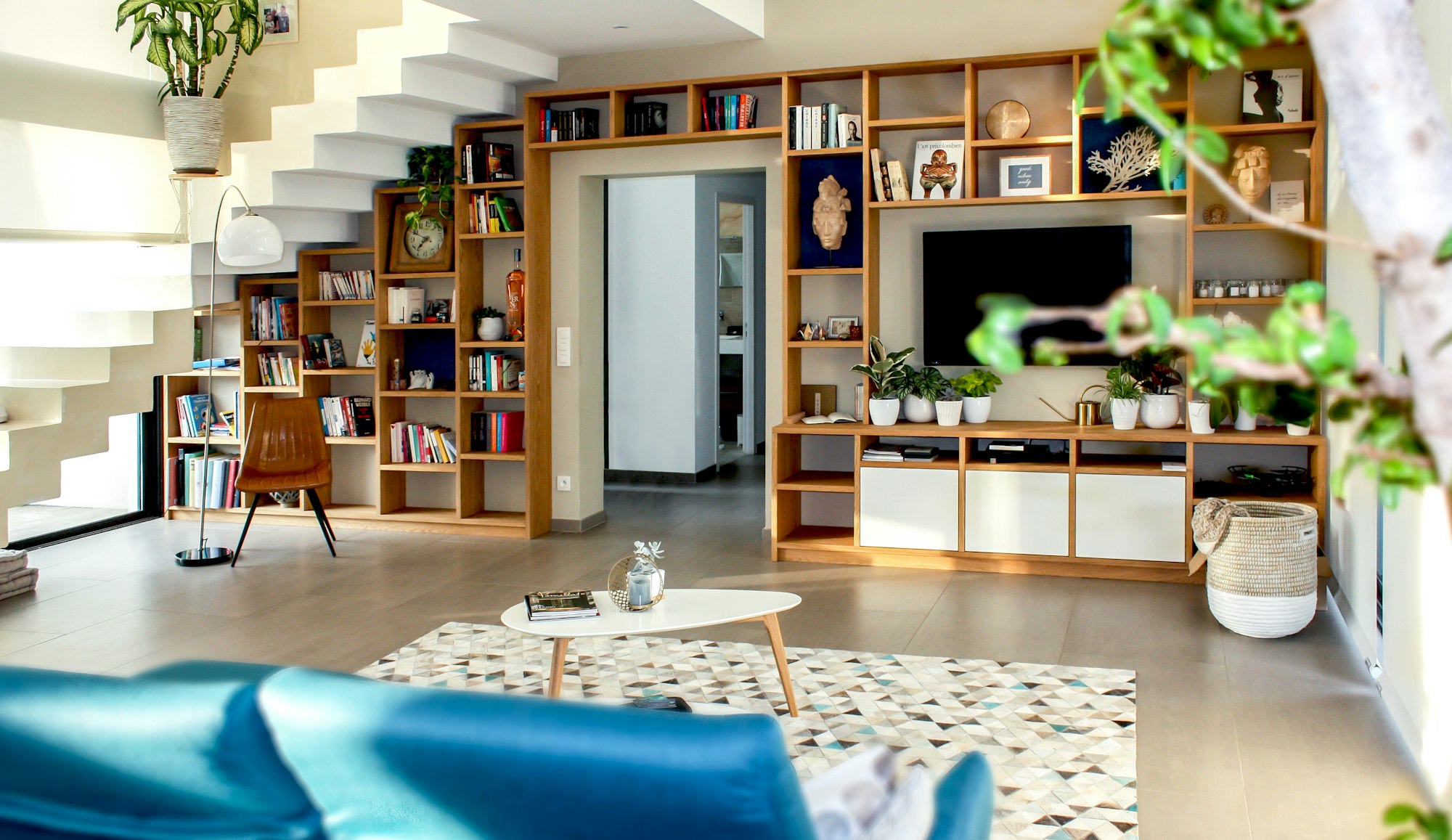
Open your windows and let in the fresh air through natural ventilation. Not only will it make you feel better, but it will also freshen up your home. In addition to windows, you can consider adding skylights to bring more natural light inside.
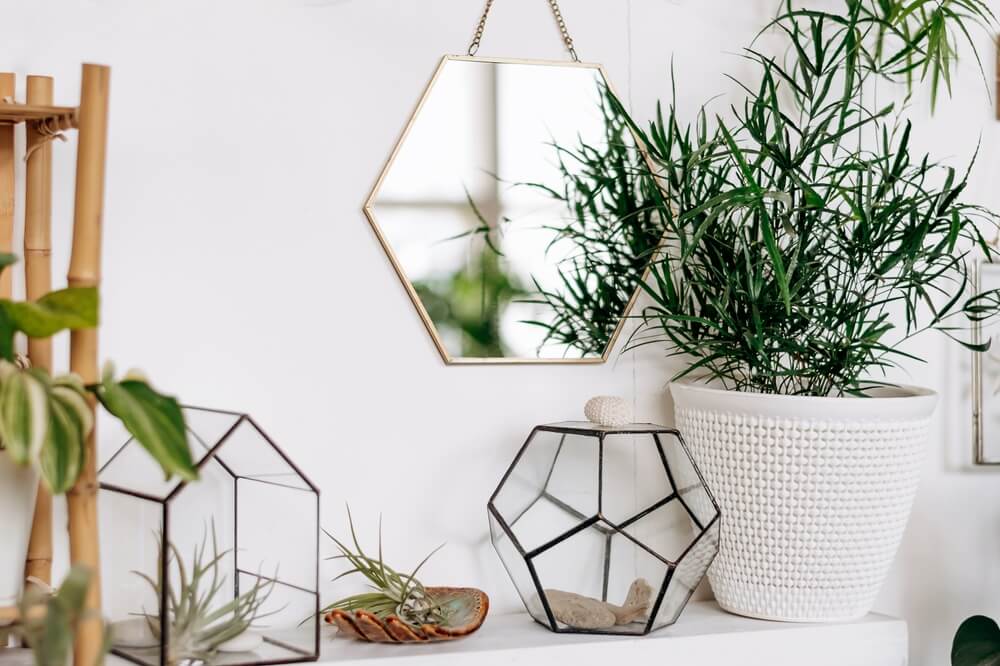
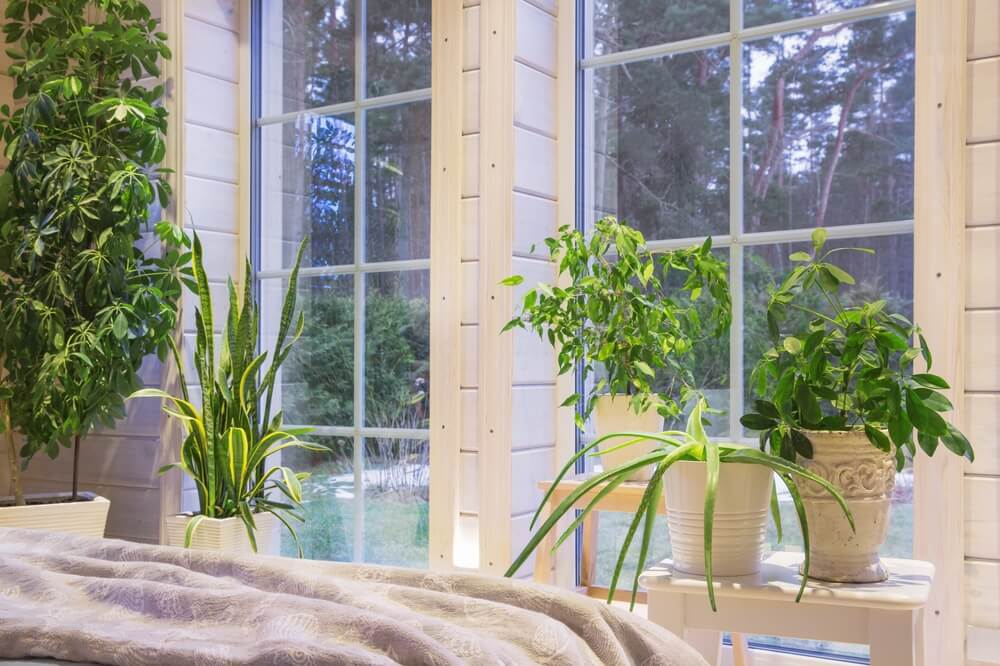
Let in lots of natural light | Shutterstock
If you have a limited number of windows, consider adding mirrors and reflective materials that reflect the light and brighten your home. Glass walls or large glass panels can also help blur the lines between interior and exterior spaces.
Use natural elements
Biophilic design and connecting with the natural environment aren't just about plants and light. By incorporating natural materials into your home, you can still create a connection with nature.


Natural materials are key in biophilic interior design | Shutterstock
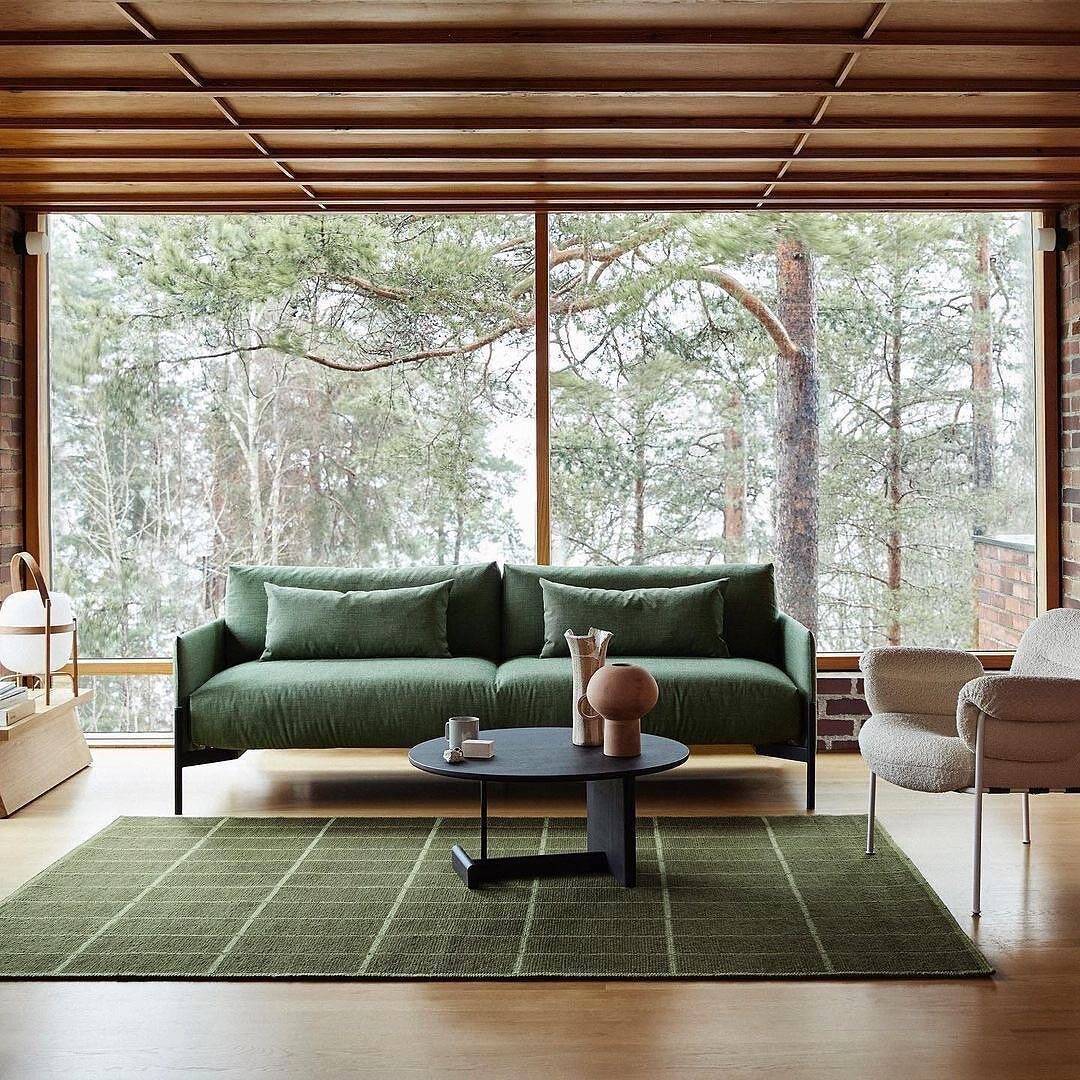
Think of materials like wood, stone, granite and bamboo in your finishes and furniture or seashells, sticks and rocks as decorations. These natural materials bring organic forms and natural geometries into modern architecture.
Stuck on your next design move?
Let AI generate stunning layouts in seconds.
Natural fabrics and natural colors also help people connect with nature. Woven baskets, throws, carpets and drapes made from raw materials are great ways to feel connected to nature even if you don't have a lot of space.
Choose earth tones and natural colours that reflect local ecosystems and create place-based relationships with your surroundings.
Incorporate water features
Much like the concept of feng shui, adding water to your home interior is another concept of biophilic interior design. Simply hearing or watching the water move is a great way to destress and relax.
You can easily incorporate water into your home by adding a small aquarium, water wall or table fountain. These environmental features create both visual and auditory connections to natural landscapes.
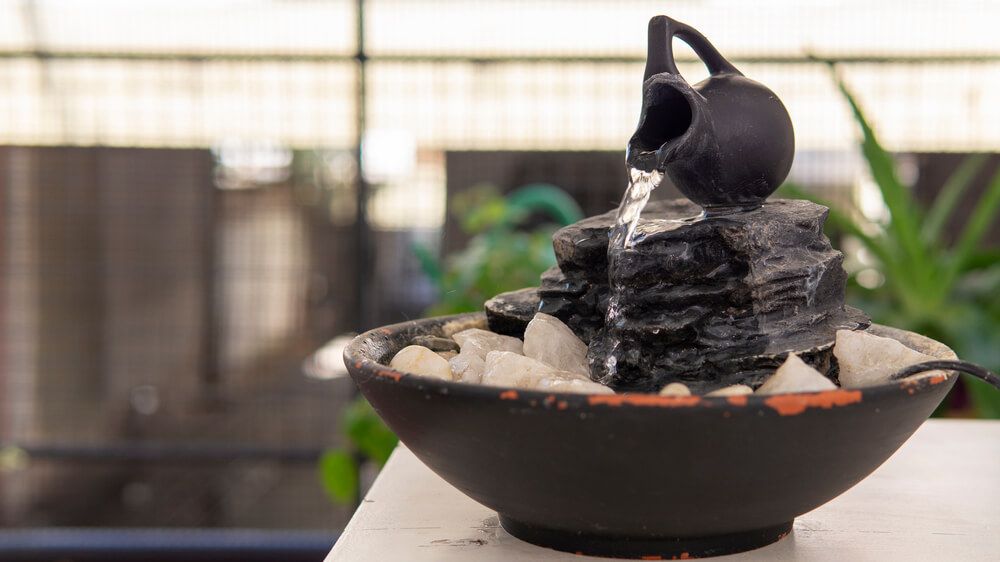
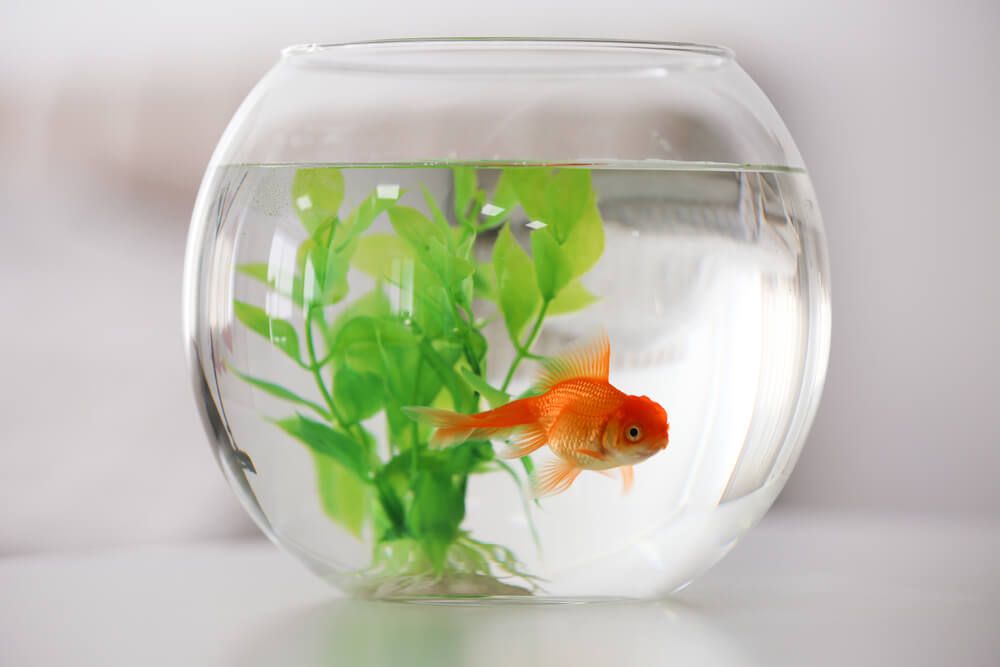
Water is an important element when connecting with nature | Shutterstock
If you don’t have a lot of space, consider adding mirrors, images of water, or even listening to falling rain or a waterfall. The idea is to harness nature’s sounds and channel them into your home.
Create an outdoor space
Spending time outdoors has a positive impact on our health. If you have a garden or outdoor space, you can create a comfortable and relaxing area to unwind and entertain. But you don’t need a garden to create an enjoyable outdoor space.
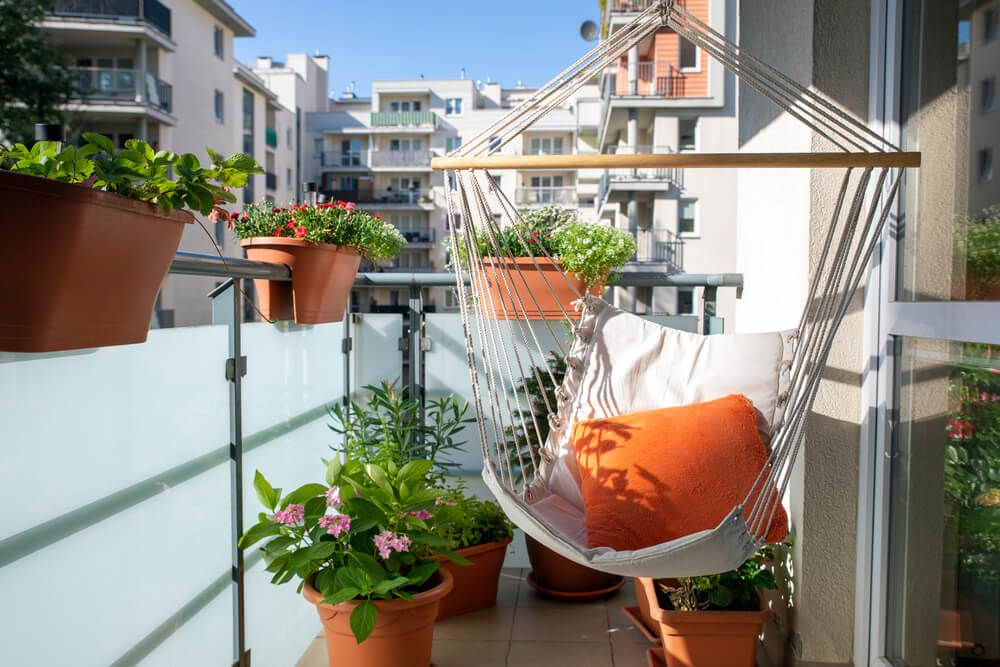
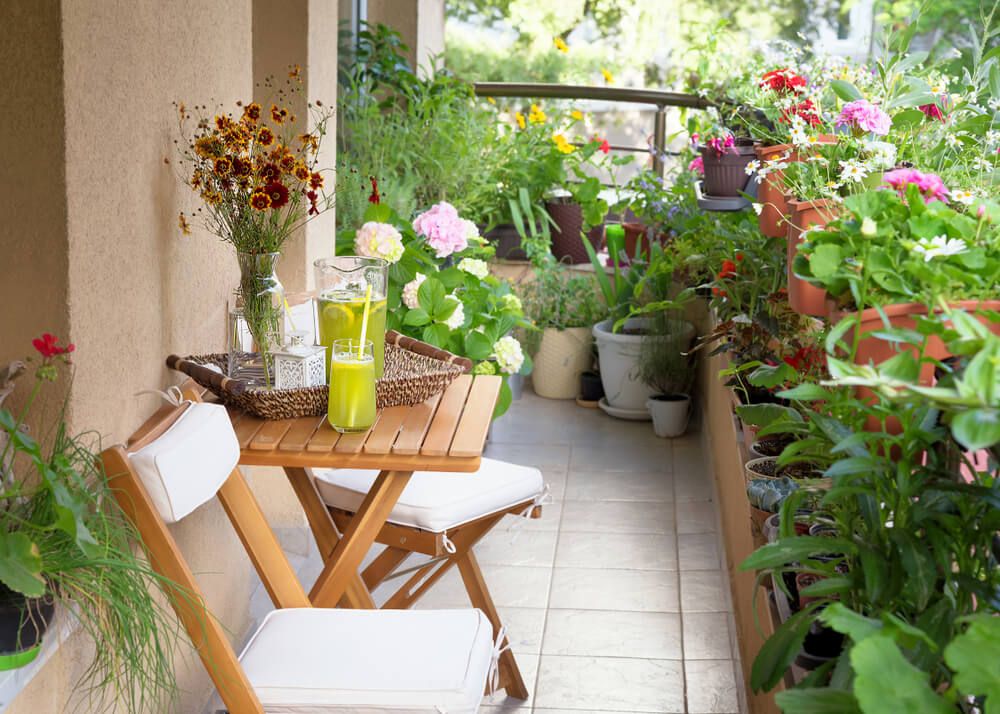
Create outdoor spaces to relax and unwind | Shutterstock
Creating a comfortable space allows you to enjoy your outdoor spaces and improve your well-being. Balconies, patios and courtyards are also great places to enjoy nature. Adding comfortable furniture and plants can automatically enhance your space and create a connection with nature.
Create transitional spaces
Transitional spaces that bridge interior and exterior environments are key biophilic strategies. These areas help create a smooth flow between the built environment and natural landscapes. Consider adding:
- Covered porches that connect indoor and outdoor living
- Glass walls that provide views while maintaining comfort
- Indoor-outdoor rooms with retractable walls
- Entry gardens that welcome you with nature
Conclusion
Whether you live in a small apartment or a large house, biophilic strategies can be adapted to any space and budget. Start small with indoor plants and natural colors, then gradually add more biophilic features like plant walls, water features, or natural ventilation systems.
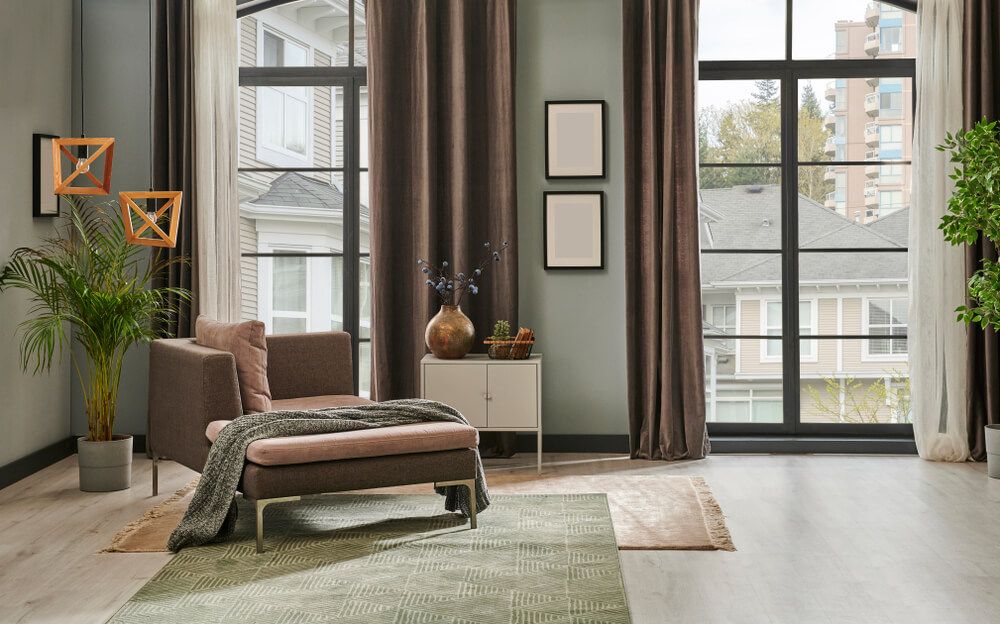
The goal is to evoke nature through thoughtful design strategies that create a human connection to the natural environment.
Remember that successful biophilic design isn't about copying nature exactly, but about creating spaces that honor our deep relationship with the natural world.
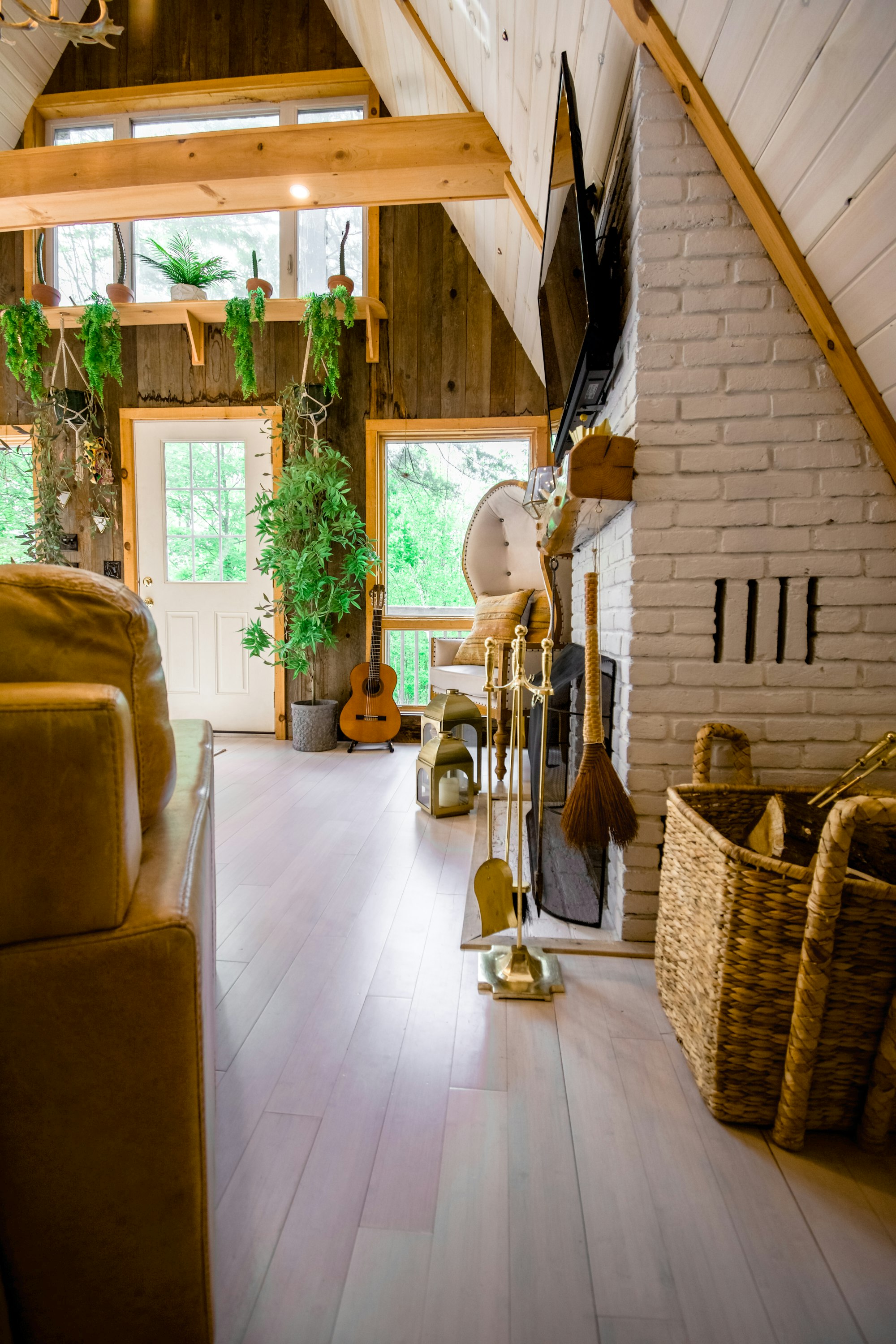
By embracing organic forms, natural patterns, and various natural features, you can transform any interior environment into a sanctuary that supports both human nature relationships and sustainable living practices.
FAQ
What is biophilic interior design?
Biophilic interior design focuses on incorporating elements of nature into indoor spaces to create a harmonious and calming environment. This includes using natural materials, maximizing sunlight, and adding plants or water features.
What are the benefits of biophilic design?
Biophilic design has numerous benefits, including improving air quality, reducing stress, enhancing mood, and boosting overall well-being. It can also increase productivity and create a more inviting and comfortable living space.
How can I implement biophilic design in a small apartment?
Even in small spaces, you can incorporate biophilic interior design elements. These include houseplants, natural materials (e.g., wood furniture or stone accents), and sheer curtains to maximize natural light. Vertical gardens or wall-mounted planters are also great for small areas.
Do I need a lot of plants for a biophilic design?
While plants are a key element, they are not the only feature of biophilic design. You can also integrate natural textures, earthy color palettes, water features, and ample natural light to achieve a nature-inspired atmosphere without abundant greenery.
Are there budget-friendly ways to incorporate biophilic design?
Yes, there are several cost-effective ways to bring nature indoors, such as using second-hand wood furniture, DIY plant shelves, or adding small potted plants like succulents. You can also focus on maximizing natural light and using eco-friendly, affordable materials like jute or bamboo.
Planner 5D: The Future of Interior Design
Experience the power of AI-driven design with Planner 5D. Our innovative tools, including the Design Generator, Smart Wizard, and AI floor plan recognition, make bringing your dream home to life easier than ever. Transform your vision into reality and unlock a world of design possibilities today.
Start designing your dream home