How to Choose the Perfect TV Size for Your Bedroom?
Thinking of putting a TV into your bedroom? Read this first.
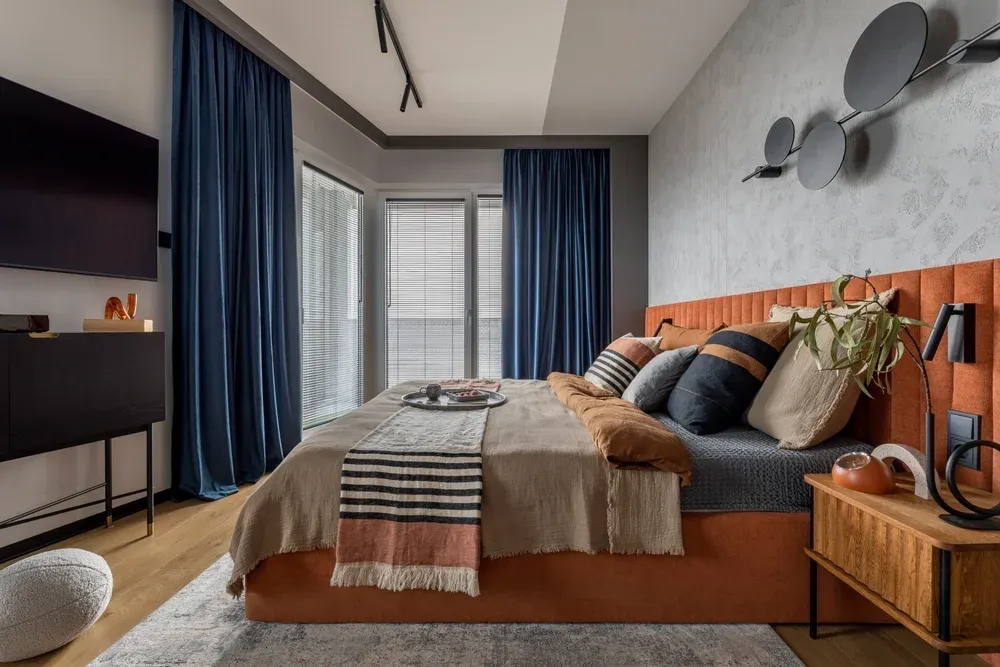
The ideal bedroom TV size depends on viewing distance. For most bedrooms, a 43-50 inch TV works well, while smaller rooms are better off with a 32-43 inch TV, and primary bedrooms can even use a 50-65 inch TV based on distance from the bed. The right size prevents eye strain and fits your space comfortably.
Recommended TV sizes by bedroom type
- Small bedrooms around 10x10 feet work best with 32-43 inch TVs. At this size, you're typically sitting or lying 5-6 feet from the screen, making a smaller TV easier on your eyes.
- Medium bedrooms around 12x12 feet can accommodate 43-50 inch TVs. This size range suits most secondary bedrooms where you'll view from about 6-8 feet away.
- Primary bedrooms measuring 14x16 feet or larger comfortably accommodate 50-65-inch TVs. The extra space means you're viewing from 8-10 feet, which calls for a bigger screen to maintain picture clarity and detail.
These recommendations are based on typical viewing distances for each room type. Your bed placement matters more than room size alone. A king bed pushes you further back than a twin, changing your ideal TV size even in the same room.
TV size by viewing distance
Use this simple formula: divide your viewing distance in inches by 2 to get your recommended screen size. So 96 inches (8 feet) divided by 2 suggests a 48-inch TV.
Common bedroom viewing distances break down like this:
- At 5-6 feet away, choose 32-40 inch TVs. This distance works for small rooms or if your bed sits close to the wall.
- At 6-8 feet away, go with 40-50 inch TVs. Most standard bedrooms fall into this range, making it the sweet spot for bedroom viewing.
- At 8-10 feet away, pick 50-65 inch TVs. Larger master bedrooms with king beds typically need this viewing distance and screen size.
The math matters because the viewing angle affects comfort. If the screen is too small or far away, it makes you squint. If it's too large or too close, it can cause eye strain and force you to move your head to see the whole picture. You want to see the entire screen without neck movement while lying in your normal sleeping position.
Bedroom-specific considerations
The viewing angle in bedrooms differs from that in living rooms. You're usually lying down or propped up on pillows rather than sitting upright. This changes how you perceive screen size and can make a TV feel larger than it would in your living room.
Turn your ideas into 3D magic — no design experience needed.
AI is here to help.
Wall space and furniture placement limit your options. Measure your available wall width and make sure the TV doesn't overwhelm the space. A 65-inch TV on a small wall looks awkward, no matter what the viewing distance says.
Bedroom layout affects your choice, too. TVs opposite the bed work differently from corner ones. Corner mounting usually means an angled view, which might call for a slightly larger screen to compensate.
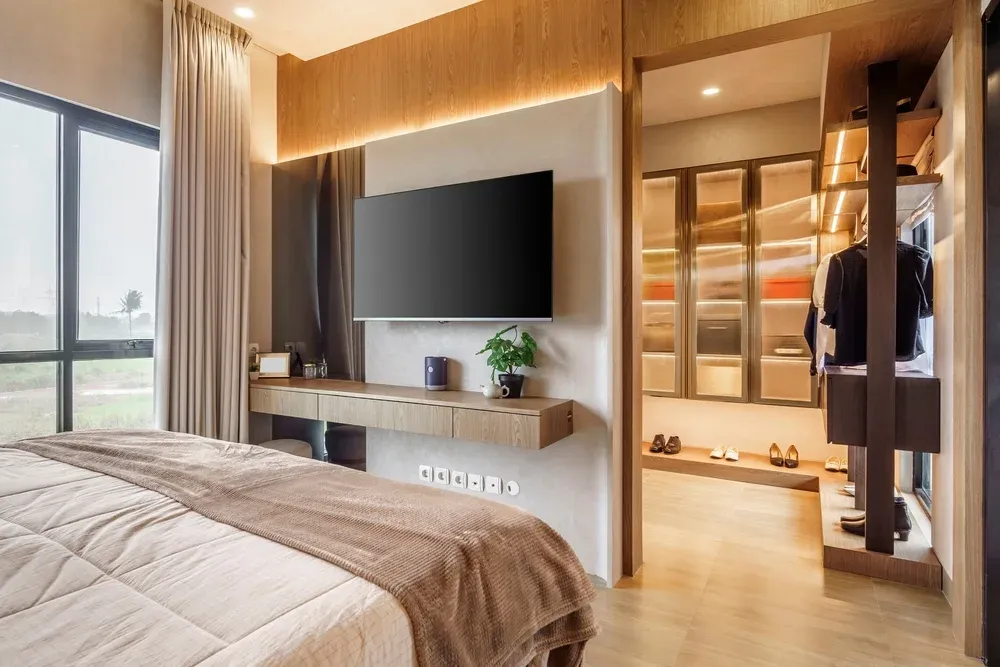
Mounting versus stand placement changes the viewing experience. Wall-mounted TVs are higher and may need to be tilted down for comfortable viewing. TVs on dressers sit lower but take up furniture space.
Don't go too large just because you can. Bedrooms feel more intimate than living rooms, and an oversized TV can dominate the space in an uncomfortable way.
Quick size guide table
| Viewing distance | Recommended TV size | Typical bedroom |
|---|---|---|
| 5-6 feet | 32-40 inches | Small/Guest |
| 6-8 feet | 40-50 inches | Medium/Secondary |
| 8-10 feet | 50-65 inches | Primary |
| 10+ feet | 65+ inches | Large primary |
Measuring your space
Measure from your bed to the TV wall first. Sit or lie in your normal viewing position and have someone hold a tape measure to the wall where you plan to mount or place the TV.
Account for bed height and pillow position in your measurement. You're not measuring from the floor but from where your eyes actually sit when you're watching. Propping up on pillows adds several inches to your eye level.
Check wall width for proportions. The TV should take up roughly one-third to one-half of the wall width. Anything more looks too big for the space.
Consider door and window placement. You don't want the TV blocking natural light sources or interfering with the door swing. Measure the clear wall space between these features to find your maximum TV width.
Planner 5D: The Future of Interior Design
Experience the power of AI-driven design with Planner 5D. Our innovative tools, including the Design Generator, Smart Wizard, and AI floor plan recognition, make bringing your dream home to life easier than ever. Transform your vision into reality and unlock a world of design possibilities today.
Start designing your dream home