What is a Loft Apartment?
Wondering what a loft apartment is? Learn what makes a loft unique, the difference between hard and soft lofts, and whether one is right for you.

If you've ever searched for a place to rent in a big city, you've probably seen the word "loft" pop up. But what does it actually mean? Here's a straightforward look at what makes a loft a loft.
The basics
A loft apartment is a large, open living space — usually converted from an old building that was once used for something else. Think old factories, warehouses, or office buildings. Instead of tearing them down, developers turned them into housing.
Design smarter, not harder.
AI suggestions tailored to your space and style.
The most obvious feature is the open floor plan. There are no walls dividing the bedroom from the living room, or the kitchen from everything else. It's all one big space. This gives lofts a wide, airy feel that's hard to find in a standard apartment.
What to look for
Most loft apartments share a few common features:
High ceilings: Lofts often have ceilings 10 to 15 feet tall, sometimes higher. This makes the space feel much bigger than the square footage suggests.
Big windows: Old industrial buildings needed lots of natural light, so the windows are usually large and let in plenty of sun.
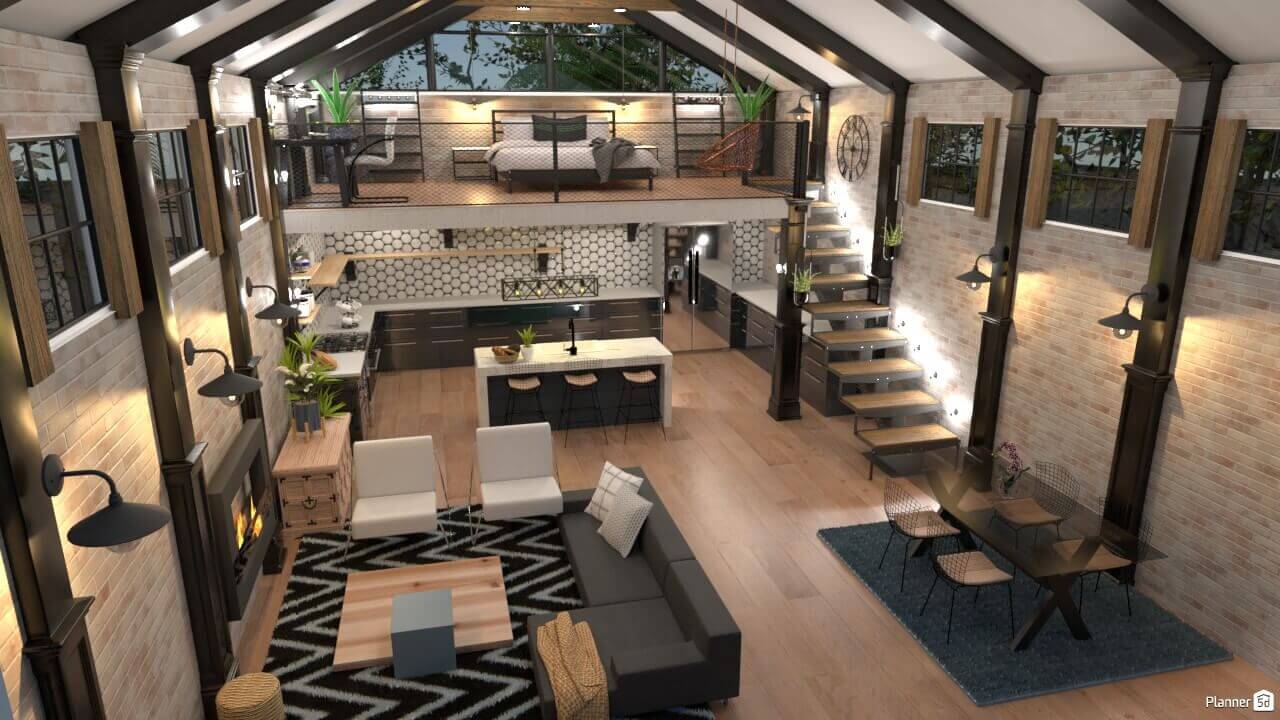
Exposed elements: Brick walls, wooden beams, and metal pipes are often left visible rather than covered. This gives lofts their signature raw, industrial look.
Concrete or hardwood floors: You won't find much carpet in a traditional loft.
Hard loft vs soft loft
There are two main types. A hard loft is the real deal — an actual converted building with genuine old bones, original brick, and that worn-in character you can't fake. These are less common and tend to cost more.
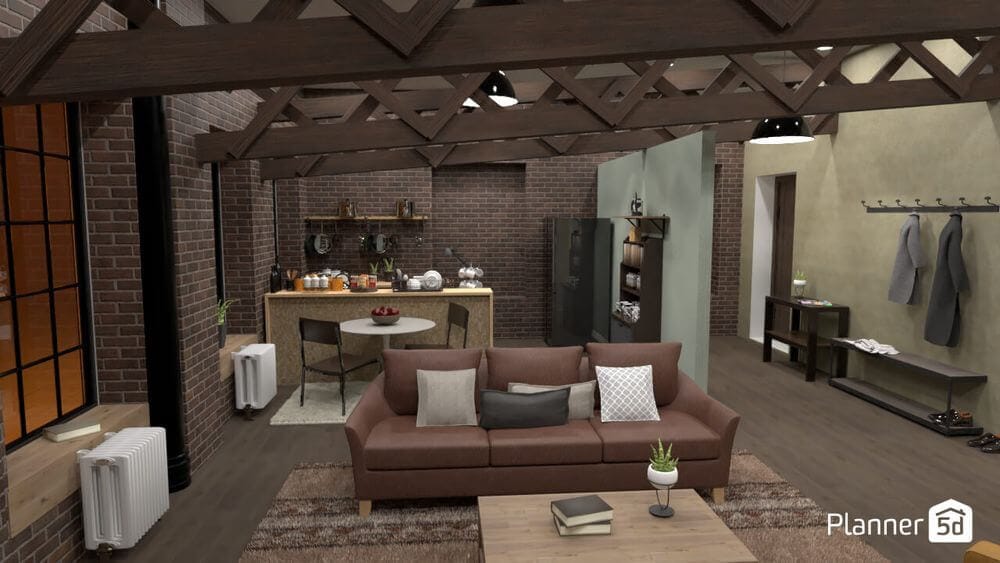
A soft loft is a newer building designed to look like a loft. It has tall ceilings and an open layout, but it's been built from scratch. You get the feel without the history. Soft lofts are much more common in newer city developments.
Who are lofts for?
Lofts are popular with people who want a flexible space. Artists like them because there's room to work and live in the same spot.
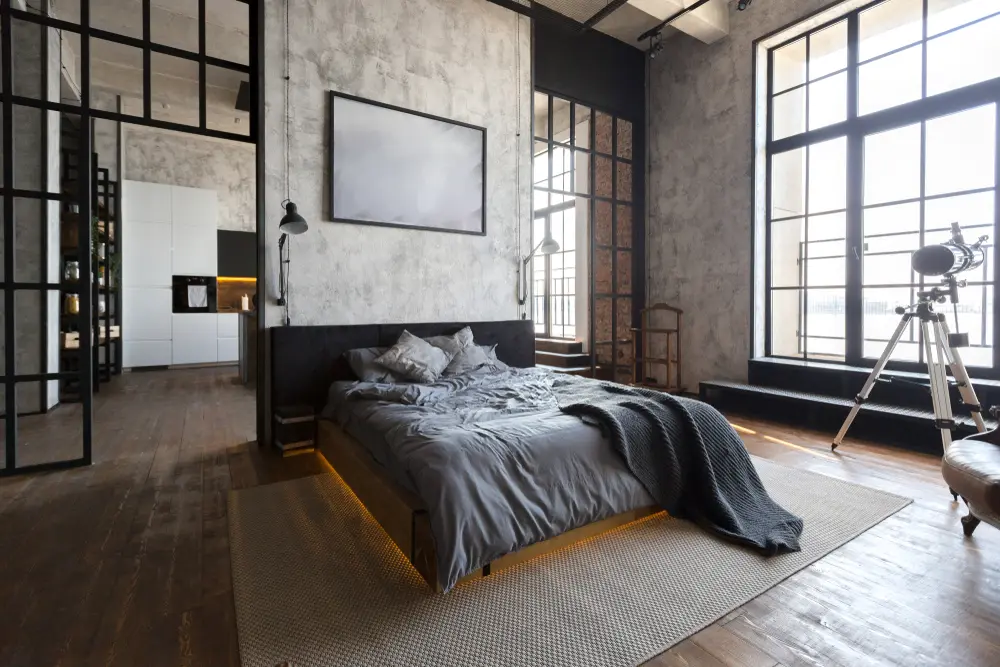
People who work from home appreciate the open area. And anyone who wants a place that feels a little different from a cookie-cutter apartment tends to be drawn to them.
Want to design your dream home faster?
Let AI do the heavy lifting with Planner 5D.
Much like studio apartments, lofts aren't for everyone. The lack of walls means less privacy. Sound travels easily. Heating and cooling a tall, open space can be more expensive. And if you need a quiet bedroom away from the rest of your home, a loft can make that tricky.
The bottom line
A loft apartment is a spacious, open home — often with an interesting past. Whether it's a converted warehouse or a newly built industrial-style building, lofts trade walls and privacy for space, light, and character. If that trade-off sounds good to you, a loft might be worth a look.
FAQs
Are loft apartments more expensive than regular apartments?
Often, yes. Lofts tend to cost more because they're harder to find, and many are located in downtown neighborhoods where prices are already high. On top of rent, high ceilings need more energy to heat, which can push utility bills up compared to a standard apartment.
What's the difference between a loft apartment and a studio?
Studios and lofts both have limited walls, but lofts are typically much larger and located in former industrial or residential buildings. Think of a studio as a compact one-room space, and a loft as a much bigger, taller version of that.
Is a loft a good place to live with roommates?
It can work, but it comes with trade-offs. The open layout means you share everything as there's no door to close between your sleeping area and the rest of the space. Lofts can be noisy due to their open spaces, so light sleepers or people who need quiet time may find it tough.
Do loft apartments have enough storage?
Usually not. Despite their size, loft apartments often have less dedicated storage space. If you have a lot of stuff, you'll need to get creative with built-in shelving, under-bed storage, or a separate storage unit.
Planner 5D: The Future of Interior Design
Experience the power of AI-driven design with Planner 5D. Our innovative tools, including the Design Generator, Smart Wizard, and AI floor plan recognition, make bringing your dream home to life easier than ever. Transform your vision into reality and unlock a world of design possibilities today.
Start designing your dream home