Industrial Style Interior Design: How to Get the Look Right
Master industrial interior design with exposed brick, metal accents & reclaimed wood. Get the complete guide to creating stylish spaces.
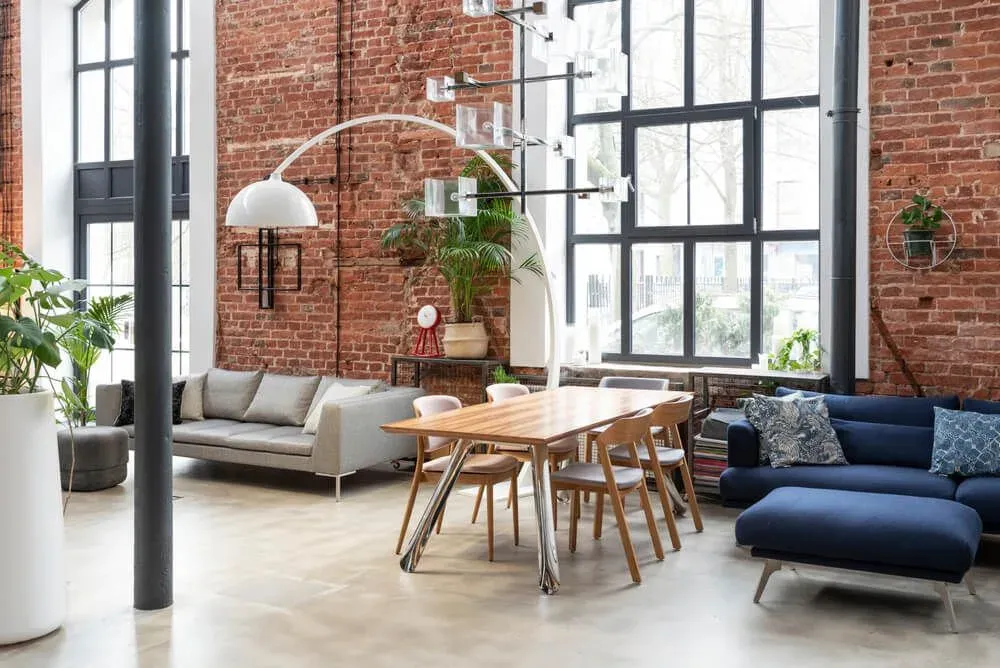
The industrial interior design style is often associated with a raw, urban aesthetic. It is popular in lofts and other spaces converted from industrial buildings that incorporate the beauty of old factories into modern homes.
This style mixes rugged elements with clean lines to create spaces that feel both tough and welcoming. In this post, we offer ideas on how to create a bold statement by incorporating some industrial chic into your home.
What is industrial design style?
Industrial style - or industrial design - is a style that emerged in the early 20th century. The industrial style was born out of necessity, as industrialization led to the mass production of goods. Industrial designers sought to create designs that were both efficient and attractive.
Design smarter, not harder.
AI suggestions tailored to your space and style.
Industrial style interior design is all about showing off raw materials and unfinished elements. It's not about hiding pipes or covering up concrete walls. Instead, it celebrates these features as part of the room's character and it's a favorite of many interior designers.
What makes industrial style so appealing
The industrial aesthetic started in urban areas where people turned old warehouse spaces into homes. Now it's one of the most popular interior design styles that can be easily mixed with others. It works great in any room, from your living room to your industrial kitchen.
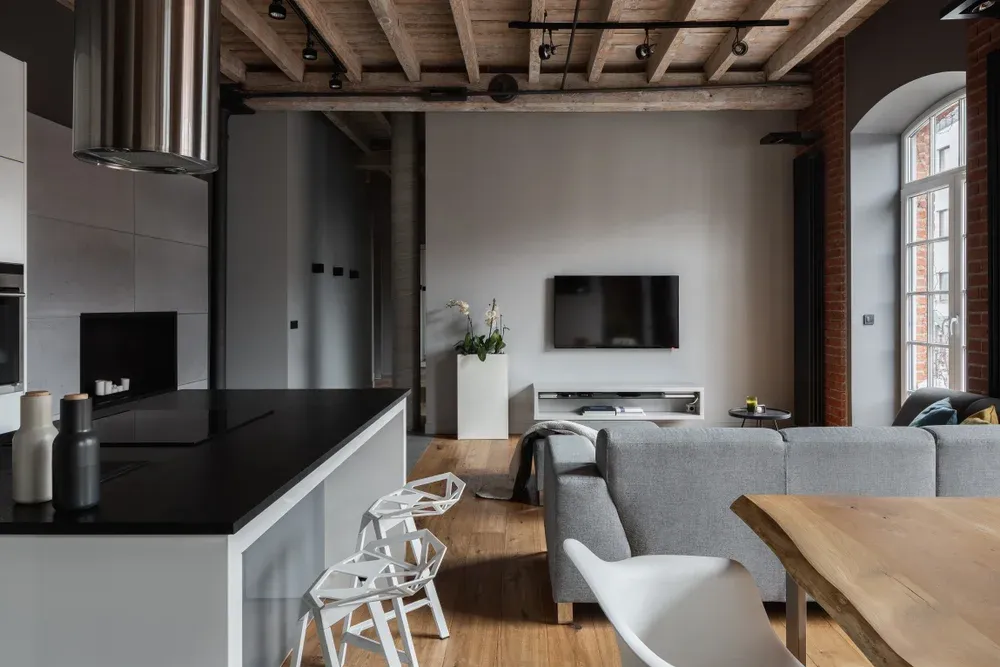
Mixing hard materials like metal and concrete with softer elements like wood and fabric creates an industrial vibe that appeals to many urban dwellers. You get a space that looks both modern and rustic.
Key elements of industrial style interior design
Exposed brick walls
Exposed brick is the heart of industrial interiors. These brick walls add instant character and create a neutral backdrop for your furniture. The red or brown tones of brick can bring warmth to any space.

You can find exposed brick in older buildings, or you can add brick veneer to create the look. Brick walls work as focal points in living spaces. They perfectly blend both vintage elements and modern furniture.
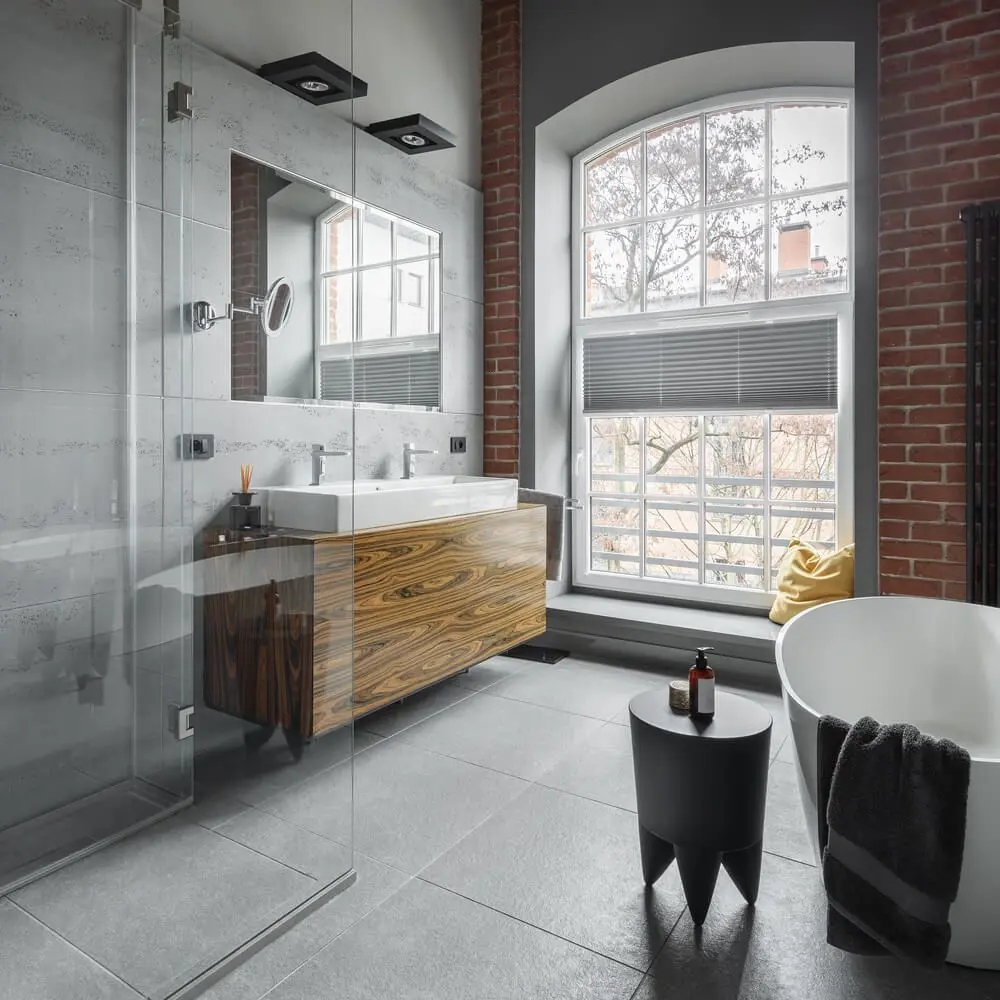
If you don't have real brick, try brick wallpaper or paint techniques. These options give you the industrial flair without major construction.
Concrete floors and concrete walls
Concrete floors are a core element of industrial design. They're tough, easy to clean, and give rooms that unfinished feel. Concrete walls add to the industrial aesthetic with their smooth, gray surface. Both can create a sophisticated atmosphere that feels lived-in.
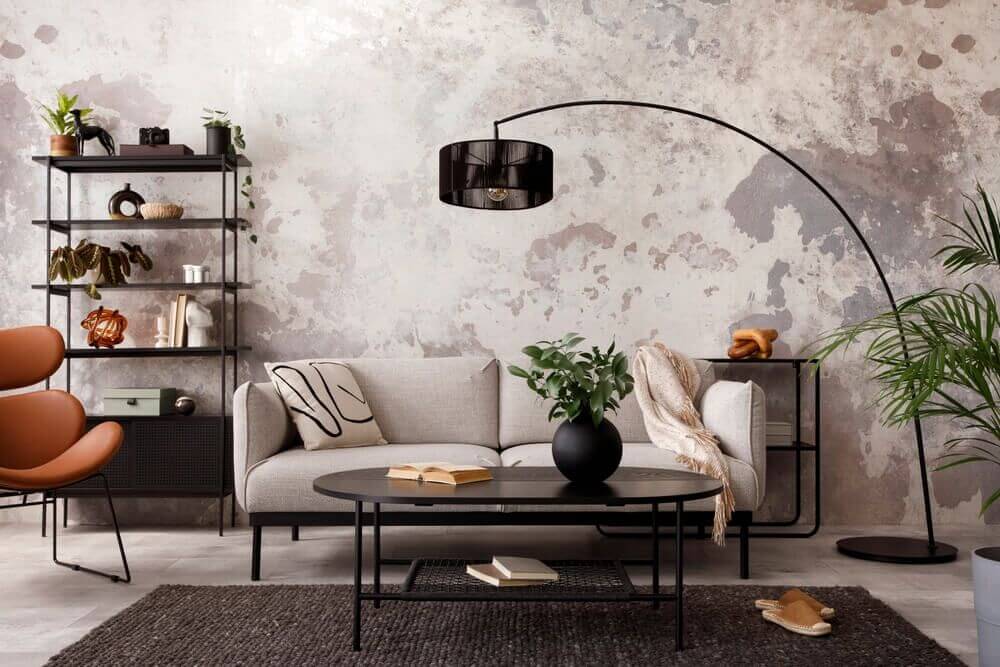
You can polish concrete floors to make them shine, or leave them raw for a more rugged look. Concrete works great in dining spaces and kitchens because it handles spills and heavy use. If concrete seems too harsh, you can add area rugs to soften the space. Choose rugs in neutral tones to keep the industrial vibe.
Metal accents and fixtures
Metal accents bring the industrial feel to any room. Think steel beams, iron railings, and copper pipes. These elements add visual interest and show off the building's structure.
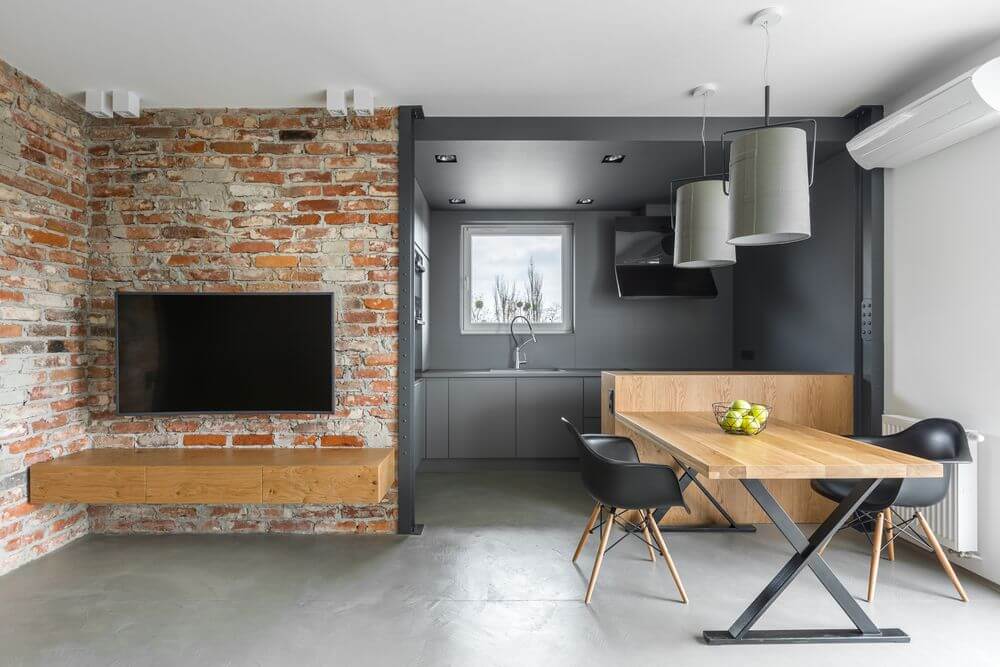
Industrial lighting is key here. Wall-mounted sconces, pendant lights, and track lighting work well. Look for fixtures made from black metal or aged brass.
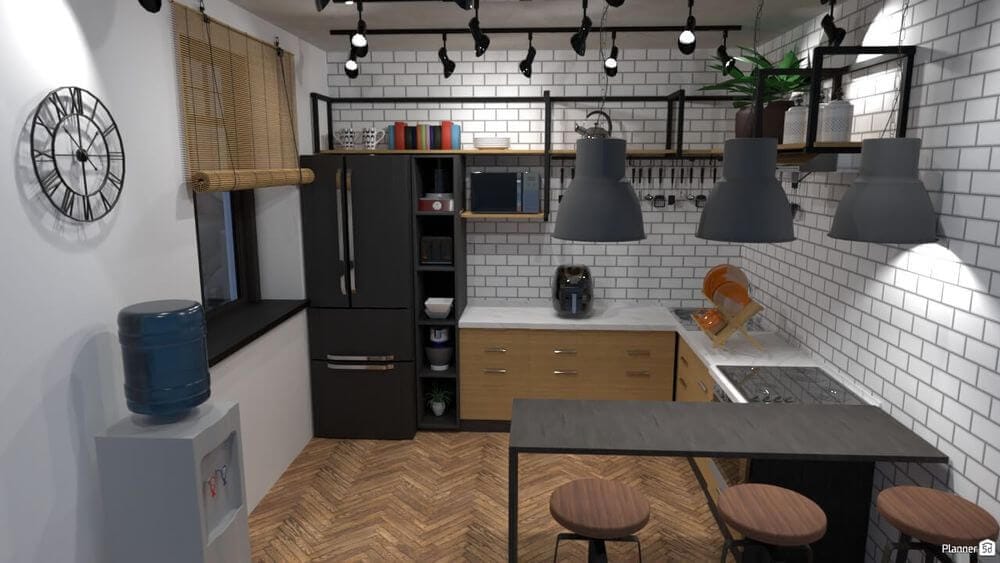
Metal furniture, like steel tables and iron chairs, fits perfectly in industrial spaces. These pieces are built to last and add to the overall aesthetic.
Reclaimed wood elements
Reclaimed wood balances out all the metal and concrete. It adds warmth and brings natural elements into the space. Old barn wood, factory flooring, and shipping pallets all work well. Wood also helps create an inviting atmosphere. It makes the space feel more like home and less like a factory.
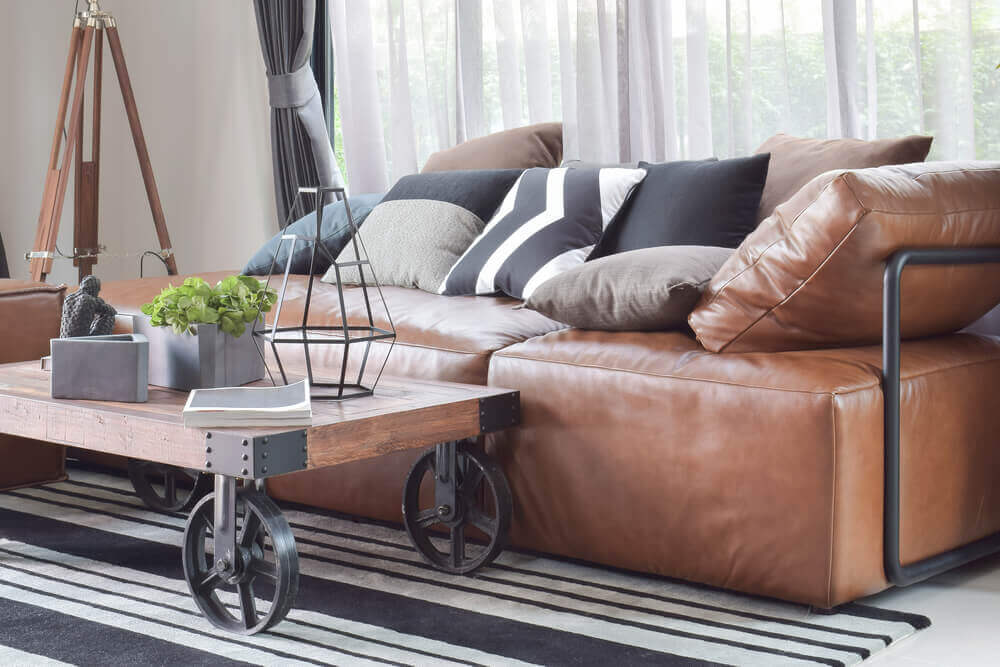
Use reclaimed wood for shelving, table tops, and accent walls. Each piece is unique and can add character to your room. The weathered look also fits perfectly with the industrial chic aesthetic.
Exposed pipes and beams
Exposed beams and pipes are also hallmarks of industrial design. Paint exposed pipes in dark colors like black or dark gray so they stand out.
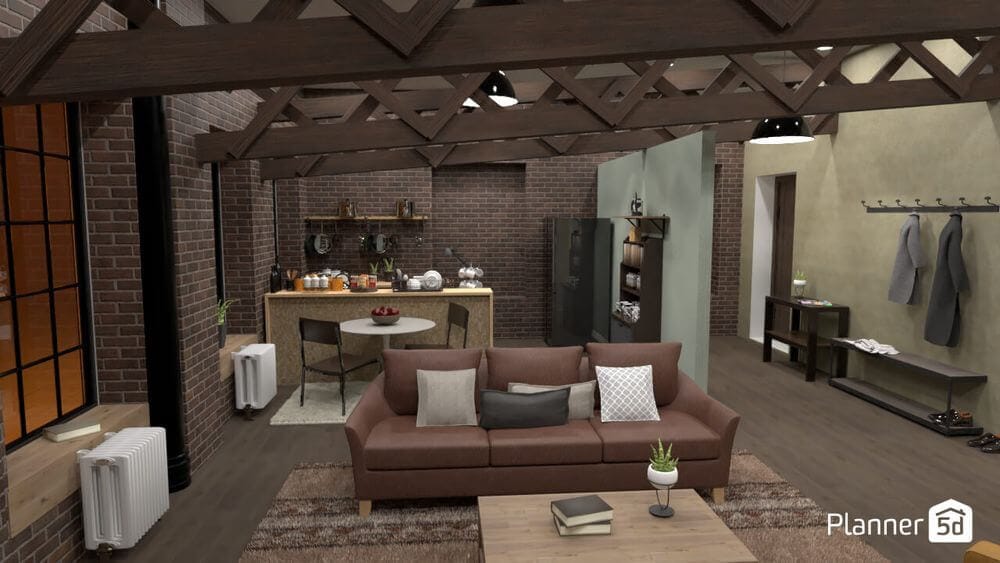
This makes them look intentional rather than like an oversight. You can also leave them their natural metal color. Wooden beams add rustic charm while metal beams keep the modern look. Both work well in industrial interiors.
Natural light
Natural light is crucial in industrial design. It keeps the space from feeling dark or cold. If you have large windows, keep them simple with minimal window treatments.
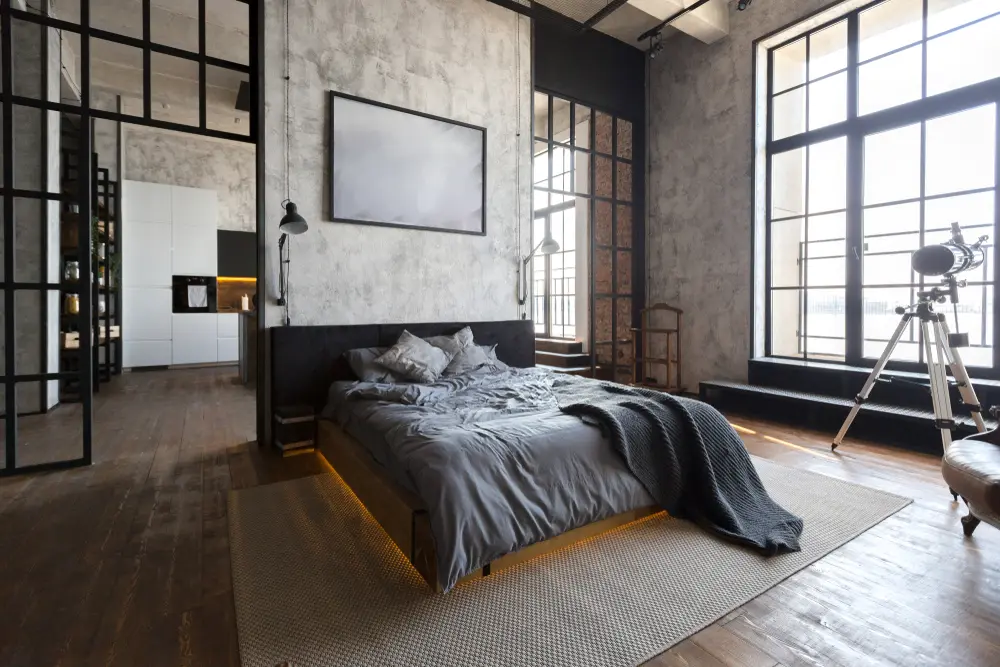
Use light colors on walls to reflect natural light around the room. White walls work great, but you can also use light gray or beige. Add mirrors to bounce light and make the space feel bigger. Choose mirrors with metal frames to fit the industrial aesthetic.
Industrial living room
While many industrial lofts and apartments favor an open concept design, you can easily incorporate this look even in your living room if it is a separate room.
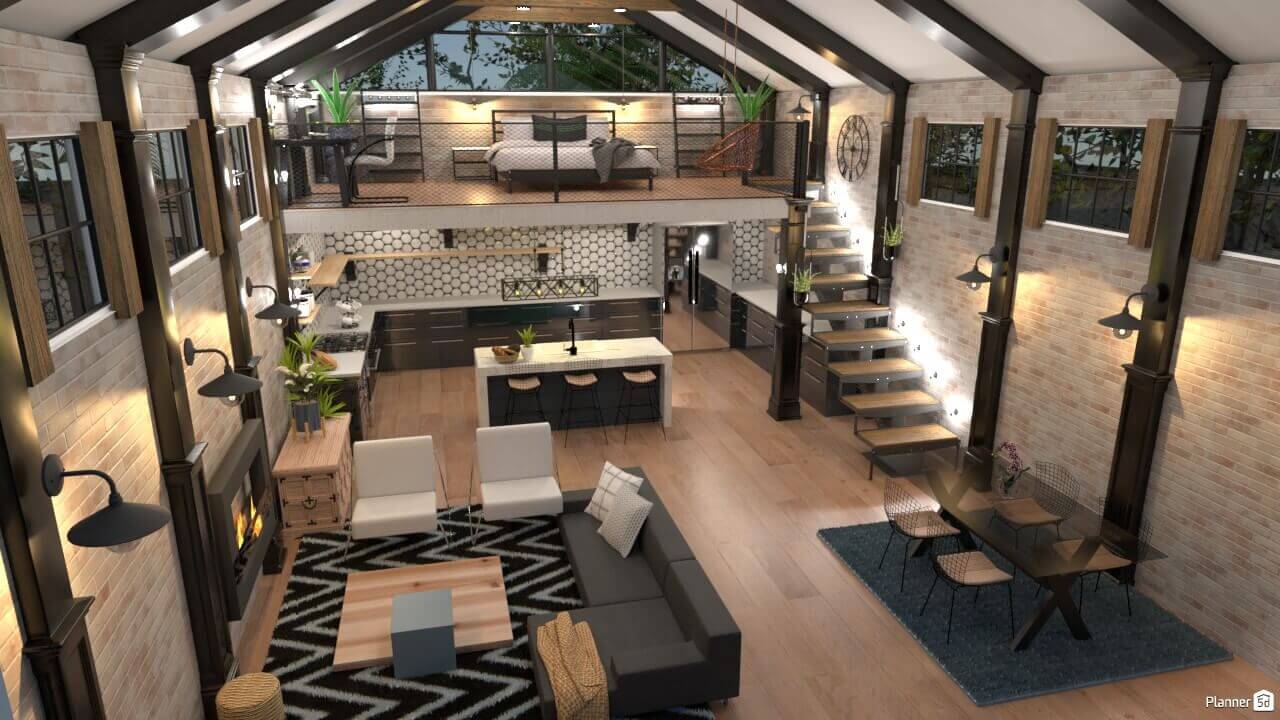
Start with a neutral backdrop. This can be painting your walls white or using exposed brick. This lets your furniture and decor stand out. Choose a sofa with clean lines and add plush cushions for comfort. A leather couch works great, but fabric sofas can work too. Pick colors like gray, brown, or black.
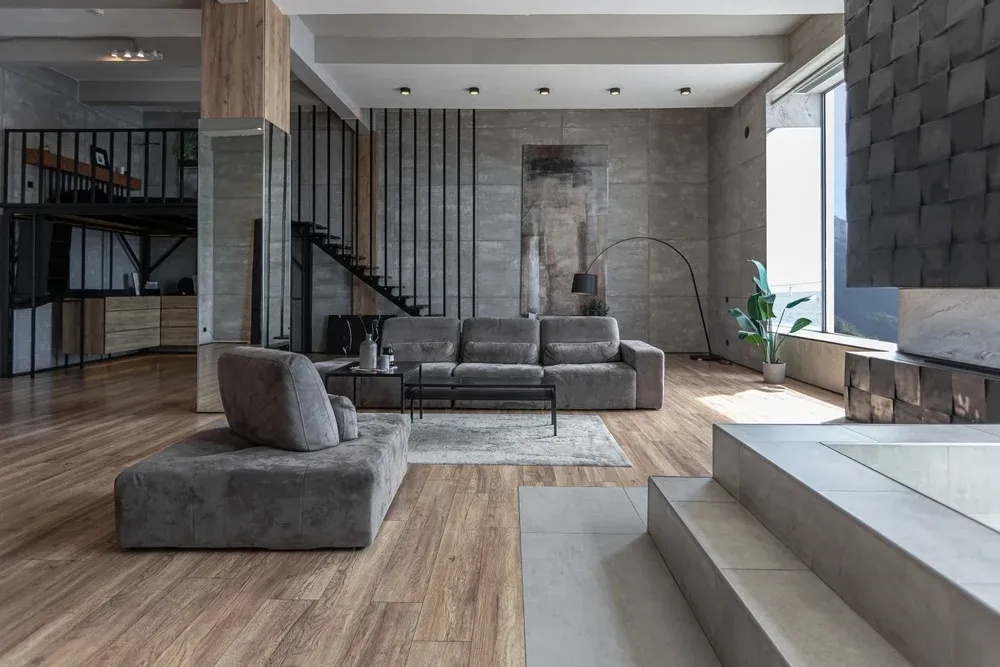
Add a reclaimed wood or metal coffee table. Industrial-style furniture often mixes these materials. Look for pieces with visible joints and raw edges. Large windows are perfect for industrial living rooms, but if you don't have big windows, use mirrors to bounce light around the room.
Industrial kitchen design
An industrial kitchen mixes function with style. Start with concrete floors or large tiles that look like concrete. Add exposed brick walls or subway tiles for texture. Choose cabinets with simple, clean lines.
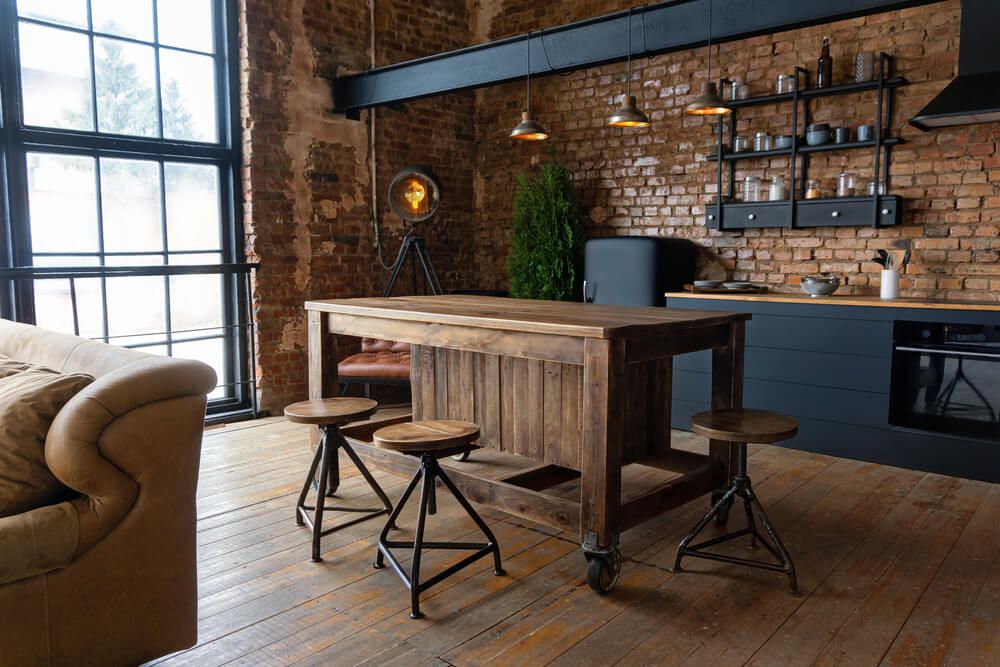
Dark colors, such as black or dark gray, work well. You can also use natural wood. Industrial lighting is essential in the kitchen. Hang pendant lights over the island and use track lighting for other areas. Look for metal fixtures in black or stainless steel.
Where to find industrial decor
You don't need to spend a lot to get the industrial look. Check out flea markets for vintage pieces and unique finds. Thrift stores often have great industrial-style furniture at low prices.
Online marketplaces are good for finding reclaimed wood and metal pieces. Look for sellers who specialize in industrial decor.
Don't forget about DIY projects. You can make your own industrial-style furniture and decor. Simple projects like pipe shelving or concrete planters are great for beginners.
Common mistakes to avoid
- Going too hard on the industrial elements. You need a balance to make the space feel like home. Mix hard materials with soft touches.
- Using too many bold colors. Industrial design works best with neutral tones. Save bright colors for small accents or to add a pop of color.
- Forgetting about comfort. Industrial style should still feel inviting. Make sure to add soft seating and good lighting to make the space welcoming.
- Cluttering your space with too many accessories. Industrial design follows a minimalist approach. Choose fewer, higher-quality pieces.
Making industrial style work for you
Industrial interior design works in many different spaces. You can use it in a small apartment or a large house. The key is choosing the right elements for your space.
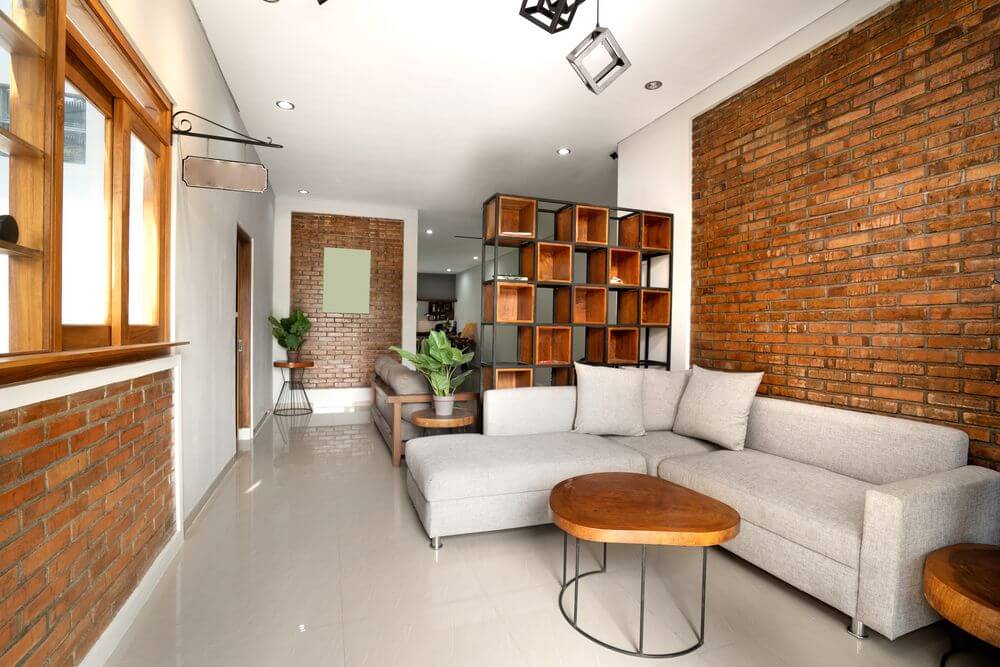
In small spaces, focus on a few key industrial elements. Incorporate design trends like exposed brick and metal lighting. But, don't try to include everything, or the space will feel crowded.
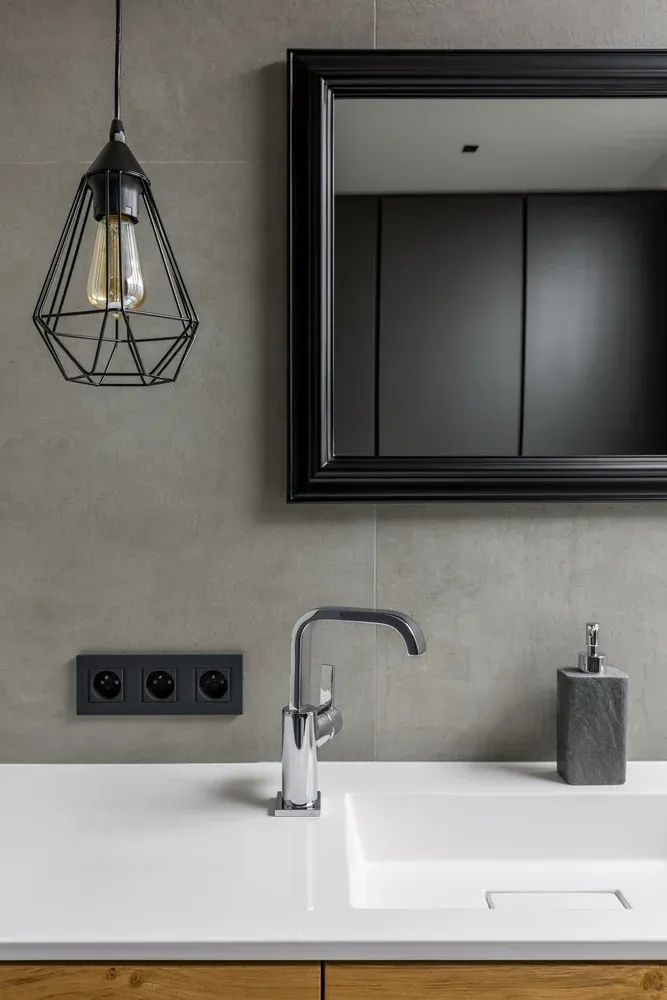
Remember that industrial design is about creating a space that feels authentic and lived-in. It's not about perfection, it's about showing the beauty in raw materials and honest construction.
Conclusion
The industrial aesthetic gives you the best of both worlds. You can create a design that feels both modern and timeless. It works with vintage elements and contemporary design. This makes it easy to change your decor over time without losing the overall look.
Want to design your dream home faster?
Let AI do the heavy lifting with Planner 5D.
Industrial interior design celebrates the beauty of unfinished materials and honest construction. It turns everyday elements like pipes and beams into design features. This approach creates spaces that feel both sophisticated and down-to-earth.
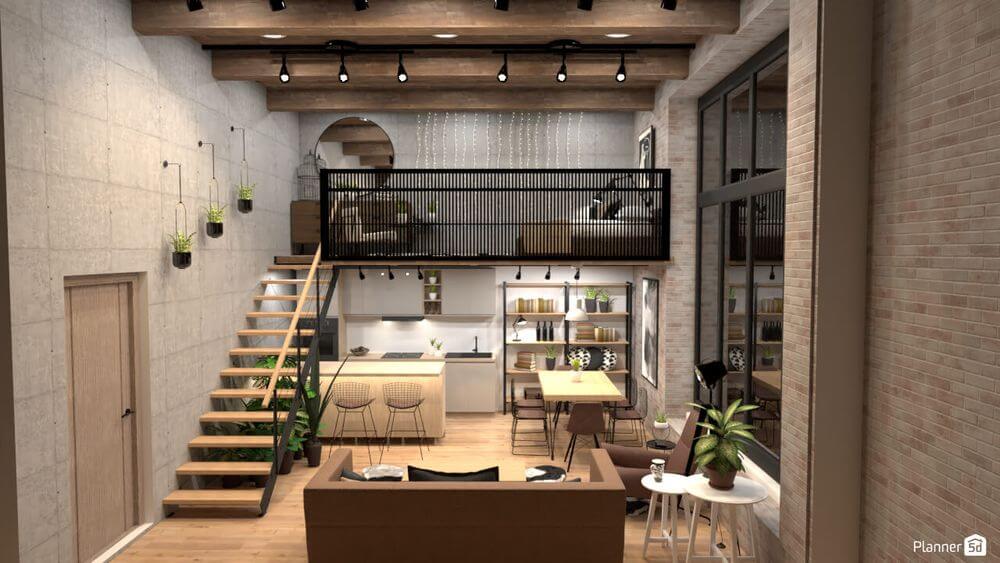
The style works because it's flexible. You can add just a few industrial touches or go all-in with the look. Either way, you'll create a space that has character and tells a story.
FAQ
What is industrial style in interior design?
Industrial style interior design is inspired by old factories and warehouses. It celebrates structural elements like pipes and beams instead of hiding them. It mixes rugged materials with comfortable furniture to make homes that feel both tough and welcoming.
What characterizes industrial style?
Industrial style is characterized by exposed brick walls, concrete floors, and metal accents throughout the space. It uses a neutral color palette with lots of grays, browns, and blacks. Furniture tends to have clean lines and mix materials like wood and metal. The overall feel is raw and unfinished, but still comfortable for everyday living.
What is the difference between modern and industrial interior design?
Modern design focuses on clean lines, minimal decoration, and sleek surfaces. It often uses new materials and hides structural elements. Industrial design, on the other hand, celebrates rough textures and shows off building features like pipes and beams. Industrial style uses more raw materials and vintage pieces, while modern style prefers smooth, polished surfaces and new furniture.
What styles mix well with industrial?
Industrial style mixes well with several other design styles. Farmhouse and industrial create a cozy, rustic look. Scandinavian and industrial blend clean lines with raw materials. Mid-century modern pieces work great in industrial spaces. Bohemian style can add color and pattern to industrial rooms.
Planner 5D: The Future of Interior Design
Experience the power of AI-driven design with Planner 5D. Our innovative tools, including the Design Generator, Smart Wizard, and AI floor plan recognition, make bringing your dream home to life easier than ever. Transform your vision into reality and unlock a world of design possibilities today.
Start designing your dream home