How to Decorate a Bedroom (Without Wasting Money on Wrong Pieces)
Not sure how to decorate your bedroom? Follow this order for the best results.
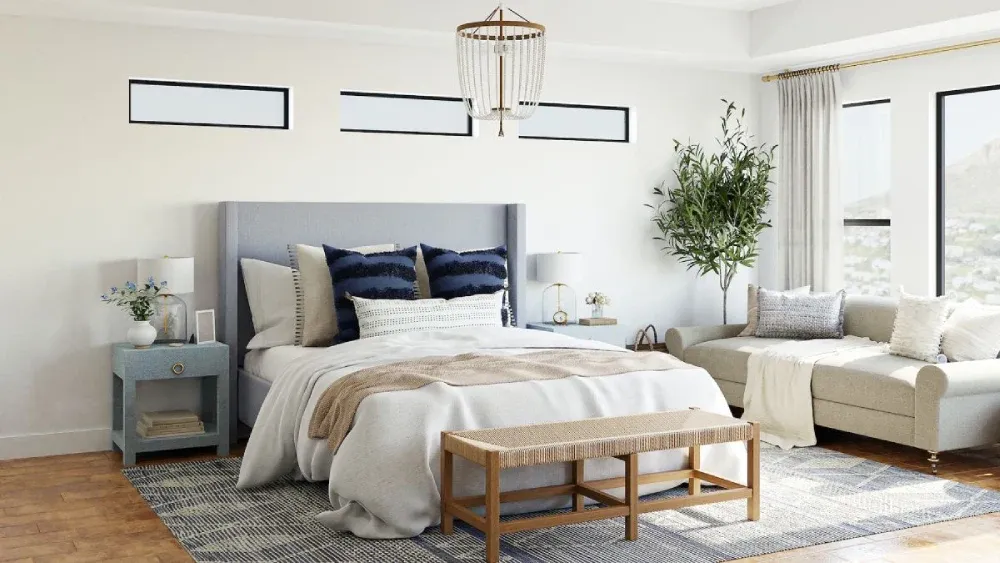
Start with walls (paint color sets mood), add layered lighting (3+ sources), bring in textiles (rug, curtains, bedding), then finish with 3-5 personal items. Wrong order wastes money on pieces that don't work together.
The order matters
Here's why most bedroom decorating fails: You buy a cute nightstand, only to find it doesn't match the existing furniture. You hang art and realize the wall color was the problem all along. You add throw pillows, and now your bedding looks cheap. You spend $800, and your room looks worse.
Want to design your dream bedroom faster?
Let AI do the heavy lifting with Planner 5D.
There's a correct sequence that saves money and stress:
- Paint/wall color (influences everything else, hardest to change later)
- Lighting (can't judge colors or decor without proper lighting)
- Large textiles (rug, curtains, bedding create the biggest visual impact)
- Furniture arrangement (optimize before buying new pieces)
- Decor items (art, plants, accessories - last because easiest to adjust)
Why this order works
Paint takes 1 day and influences 6+ months of other purchases. Lighting determines if your blue bedding looks navy or teal. Your rug defines the color palette for everything else.
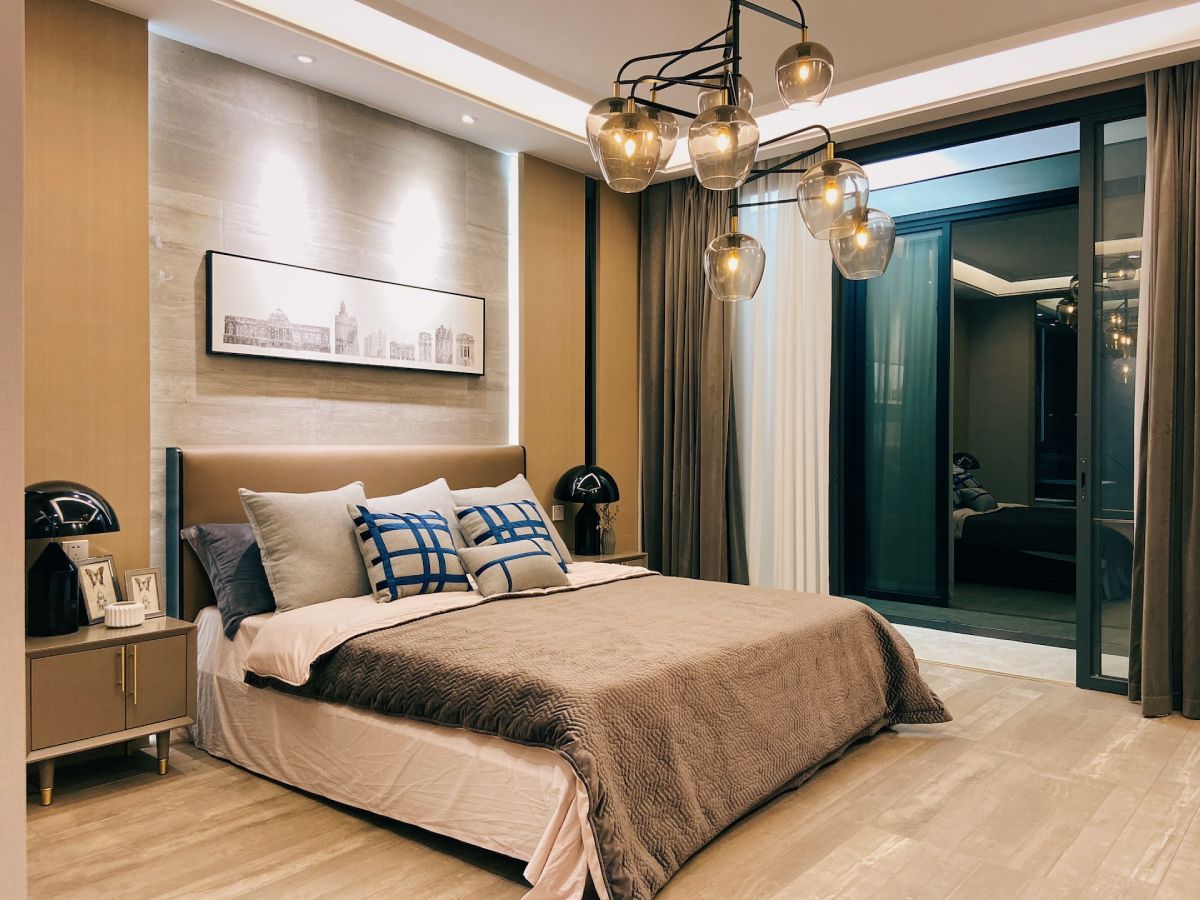
Furniture you already own might work better rearranged. Decor is the final layer that ties everything together.
Budget example
Say you have $1000 total. Spend $150 on paint, $200 on lighting, $400 on textiles, $0 on furniture (just rearrange), and $250 on decor. Don't spend $600 on a new dresser and end up with only $400 left for everything else. That's the most common mistake.
Wall treatment
Paint color strategy
Avoid pure white or bright colors. Bedrooms need restful, not stimulating. Best bedroom colors include:
- Warm neutrals: Greige, warm beige, soft taupe
- Muted earth tones: Terracotta, dusty rose, sage green
- Deep moody: Charcoal, navy, forest green (only if the room gets good natural light)
An accent wall vs a full room
Skip accent walls in bedrooms under 12 feet by 12 feet. It makes small spaces feel chopped up. A whole room in one color creates cohesion. Accent walls only work in large bedrooms (14x16+ feet) on the wall behind the bed.
Turn your ideas into 3D magic — no design experience needed.
AI is here to help.
Paint alternatives
Peel-and-stick wallpaper on one wall costs $80-150, is easy to remove (suitable for rentals), and adds texture that paint can't achieve.
Lighting layers
The problem with a single overhead light is that it creates harsh shadows, feels unflattering, makes decorating impossible (you can't see true colors), and feels like a hospital. To fix that, you need a three-layer lighting approach.
- Layer 1 - Ambient (overhead): Replace bright bulb with warm LED (2700K, not 3000K+). Add a dimmer switch ($15-30, easy DIY). Or skip the ceiling light entirely and use lamps only.
- Layer 2 - Task (bedside): Two matching bedside lamps (table or wall-mounted). Need a 40-60-watt equivalent for reading. Position the light so that it hits the book, not your eyes directly.
- Layer 3 - Accent (mood): Floor lamp in corner, LED strips behind headboard, or string lights (only if not college-dorm style). Creates depth and gets rid of dark corners.
Budget approach
Skip new overhead fixture ($200-400). Put money into two good bedside lamps ($60-120 each) plus one floor lamp ($50-80). Total: $170-320 vs $200-400 for a single ceiling fixture that doesn't solve the lighting problem.
Bulb temperature matters
2700K = warm, cozy. 3000K = neutral, flat. 4000K+ = cold, hospital-like. Buy all bulbs at the same temperature. Mixing looks chaotic.
Textiles to create atmosphere
Start with an area rug, as it defines the color palette for bedding, curtains, and decor. Place under the bed with about 18-24 inches extending on each side and at the foot of the bed.
Size by bed:
- Queen bed: 8x10 foot rug minimum
- King bed: 9x12 foot rug
- Anything smaller looks like a doormat, not intentional design
Floor-to-ceiling curtains
Hang rod 2-4 inches below the ceiling (not at the window frame top). Curtains should touch the floor or puddle 1 inch from the floor. This adds 12-18 inches of visual height to your room.
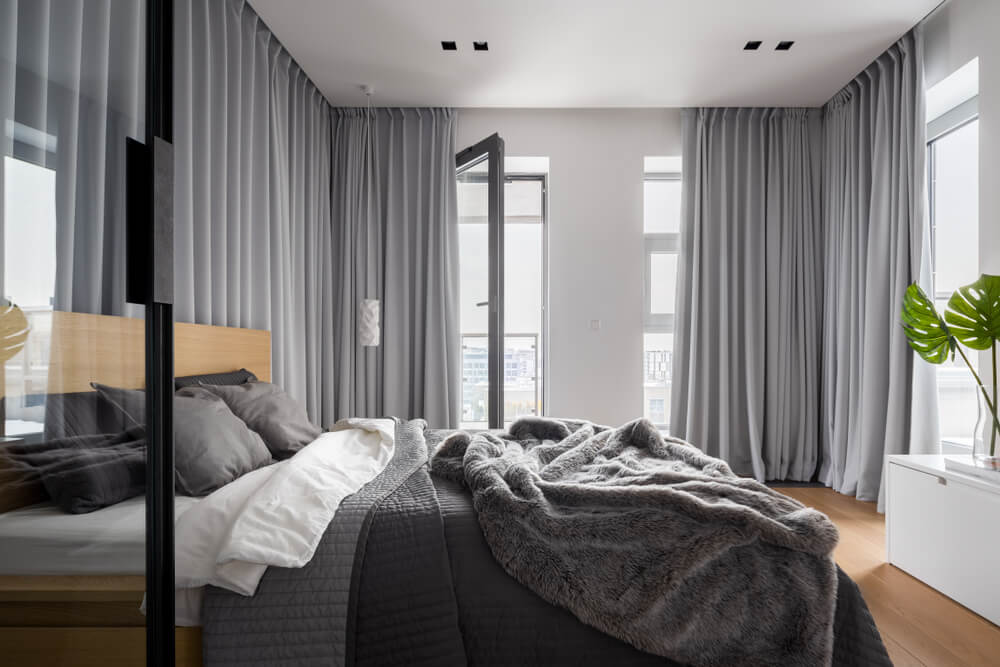
Panels should be 2x the window width when closed (to create fullness, not flat panels).
Bedding layers
- Fitted + flat sheet (obvious)
- Duvet or comforter (not both - choose one)
- 2-3 throw pillows maximum (not 8 decorative pillows you remove nightly)
- Use a throw at the foot of the bed (adds texture, plus practical for cold nights)
Avoid matching sets. Comforter sets with matching pillow shams, bedskirt and curtains look dated (very 1990s). Mix textures instead - linen duvet + cotton sheets + velvet throw.
Design smarter, not harder.
AI suggestions tailored to your space and style.
Strategic decor placement
- Wall art rules: Hang 57 inches from the center of the frame (gallery standard, eye level).
- Above bed: Use one large piece (36-48 inches wide) or a group of 3-5 smaller frames. Leave 6-8 inches between the frame bottom and the headboard top.
- Common mistake: Tiny 16x20 frame above king bed (looks lost, needs 40+ inch width).
Nightstand space
Lamp + 1-2 items maximum (book, small plant, water glass). Cluttered nightstands = cluttered mind before sleep.
Plants
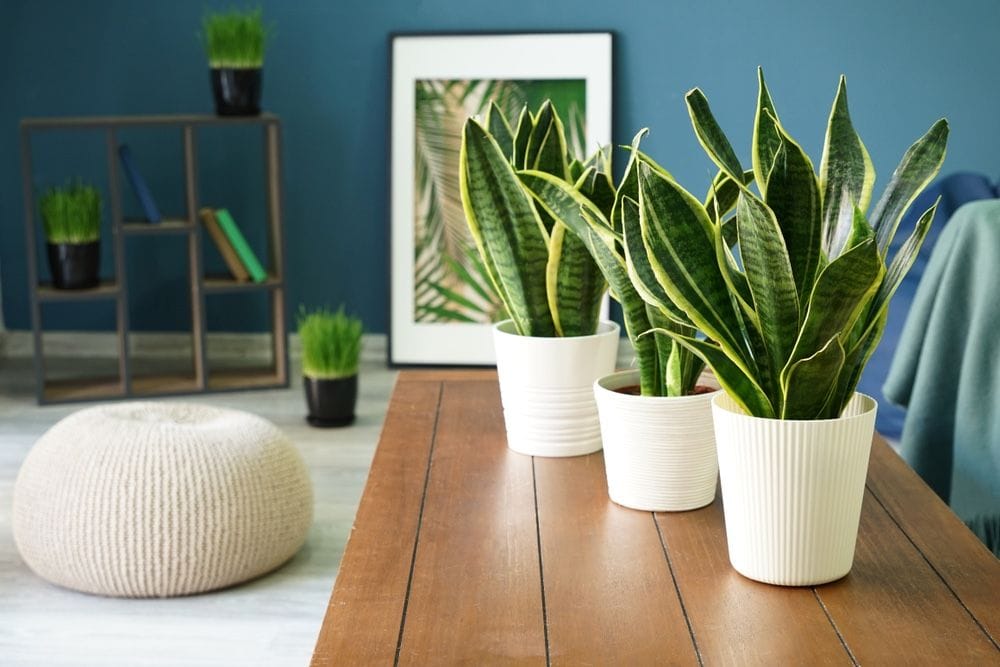
Plants that actually work in bedrooms include snake plants, pothos, and ZZ plants (all tolerate low light, hard to kill).
What to skip
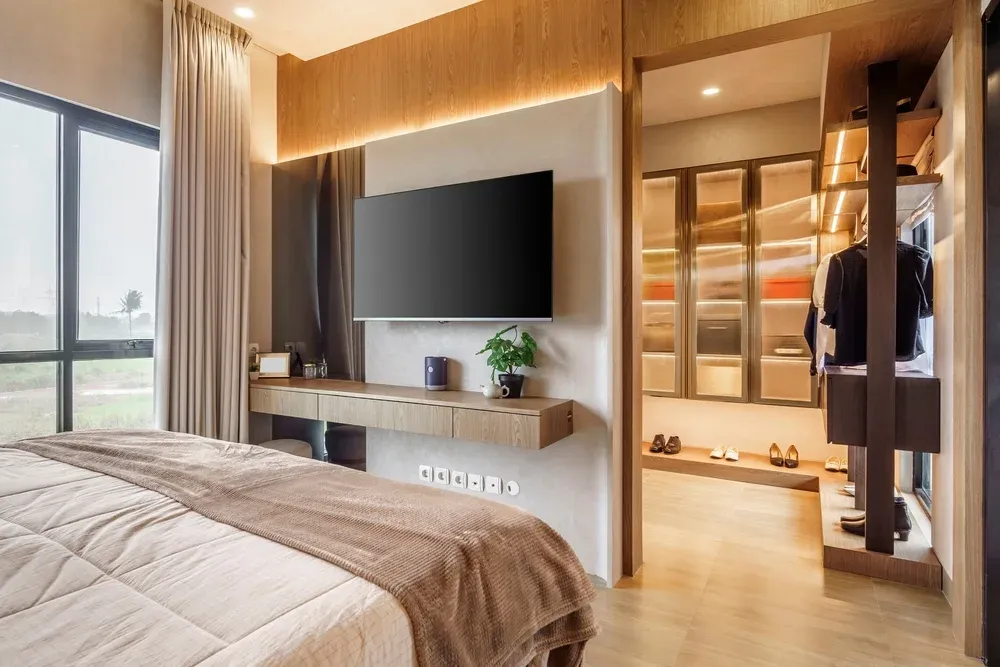
TV in the bedroom ruins sleep quality, yet most people ignore this. Too many family photos (3-5 meaningful ones, not 20-photo gallery wall). Work-related items (laptop, papers - bedroom is for rest, not guilt).
Small bedroom specific
A small bedroom is 10x10 to 11x12 feet. It has different decor rules from a 14x16 primary bedroom and needs a different approach.
- Light colors required (dark colors shrink small rooms)
- Wall-mounted nightstands save floor space
- Large mirror (floor leaning or wall) doubles visual space
- Limit decor to 5 items total (small rooms can't handle clutter)
- Skip reading chair, bench, extra furniture
- One statement piece (bold headboard OR colorful rug, not both)
Budget tiers
- Under $300: Paint ($50), 2 lamps ($120), throw pillows ($40), curtains ($60), plants ($30)
- $300-$800: Above plus rug ($200), new duvet ($100), art prints ($80), mirrors ($70)
- $800-$1500: Above plus quality bedding ($300), custom curtains ($200), original art ($150), statement lighting ($200)
Action checklist
- Choose and paint the walls
- Install a dimmer overhead or plan lamp-only lighting
- Buy and position an area rug to define zones
- Hang curtains floor-to-ceiling
- Arrange existing furniture (try 2-3 layouts)
- Upgrade bedding (duvet, sheets, throw)
- Add 2 matching bedside lamps
- Hang art at 57" center height
- Add 2-3 plants
- Final pass: Remove anything that doesn't serve a purpose
Planner 5D: The Future of Interior Design
Experience the power of AI-driven design with Planner 5D. Our innovative tools, including the Design Generator, Smart Wizard, and AI floor plan recognition, make bringing your dream home to life easier than ever. Transform your vision into reality and unlock a world of design possibilities today.
Start designing your dream home