How Tall Are Most Bedroom Doors?
While there is a standard bedroom door size, there are a few exceptions. Here is what you need to know.
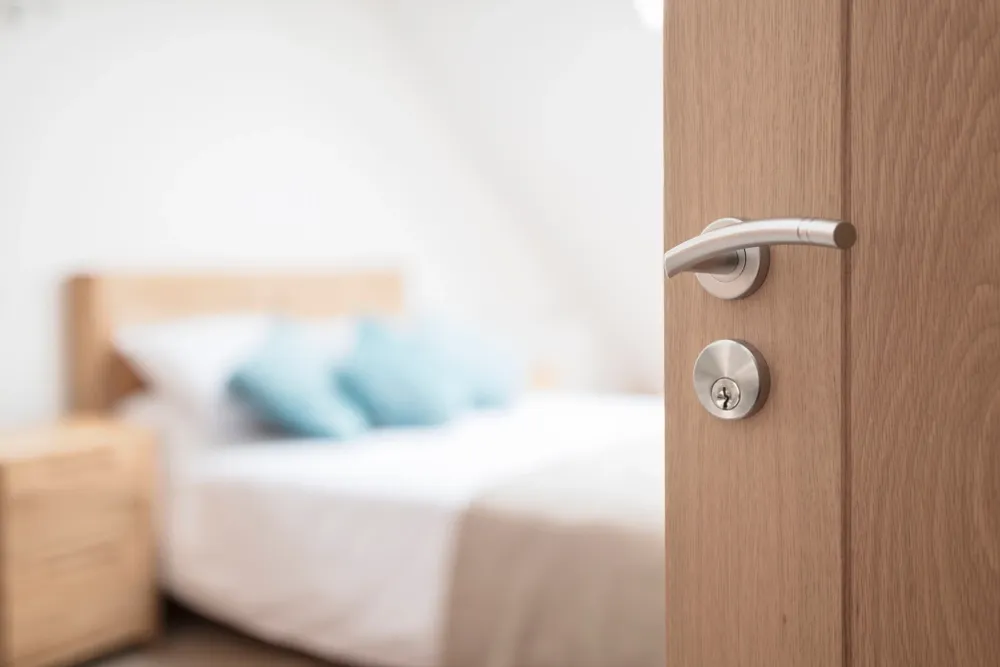
Most bedroom doors are 80 inches (6 feet 8 inches) tall and 30-36 inches wide. This is the standard interior door size in the United States and Canada, established by building codes and manufacturing standards.
Whether you're planning a renovation, moving furniture into your bedroom, or building a new home, knowing these measurements can save you time and headaches.
Why 80 inches is the standard
The 80-inch height didn't happen by accident. Building codes in North America set this as the minimum height for interior doors decades ago, and it stuck.
Stuck on your next bedroom design?
Let AI generate stunning layouts in seconds.
Manufacturers standardized on this size because it works for most people and most homes. It's tall enough for nearly everyone to walk through comfortably (even with a few inches to spare for the average person), but not so tall that it wastes materials or drives up costs.
This height also pairs well with standard 8-foot ceilings found in most homes. The economics made sense, too. When every door manufacturer uses the same size, prices stay reasonable for builders and homeowners.
Other common heights you might see
While 80 inches dominates, you'll find other heights depending on the home's age and style.
- 78 inches shows up in older homes built before the 1980s and in mobile homes. If you live in a house from the 1950s through the 1970s, there's a good chance your bedroom doors are this height.
- 84 inches appears in homes with 9-foot ceilings or where builders chose upgraded finishes. This extra 4 inches makes rooms feel more open and works better with taller ceiling heights.
- 96 inches (that's 8 feet) is standard in luxury and custom homes, especially those with 10-foot or higher ceilings. These dramatic heights make a statement and suit high-end architecture.
Commercial buildings and spaces designed for accessibility sometimes use taller doors as well. However, bedroom doors in these buildings still often stick to residential standards.
Quick reference guide:
| Door type | Height | Width | Rough opening |
|---|---|---|---|
| Standard bedroom | 80" | 32" | 82" × 34" |
| Minimum bedroom | 80" | 30" | 82" × 32" |
| Primary bedroom | 80" | 36" | 82" × 38" |
| Older homes | 78" | 30-32" | 80" × 32-34" |
| Luxury/custom | 84-96" | 36-42" | Varies |
Standard bedroom door widths
Height isn't the only measurement that matters. Width plays a significant role, especially when you're moving furniture.
- 30 inches is the minimum width building codes allow for bedroom doors. You'll see this size in smaller bedrooms, closets, and budget-conscious builds.
- 32 inches is the most common width you'll find. It's the sweet spot as it's wide enough for comfortable daily use and narrow enough to save space and money.
- 36 inches is typical in primary bedrooms and in homes built with accessibility in mind. This width makes moving furniture much easier. A queen mattress (60 inches wide) can fit through a 36-inch door when angled, but you'll struggle with a 30-inch opening.
If you've ever tried wrestling a dresser up the stairs and through a doorway, you know why these few inches matter.
Rough opening vs door size
Keep in mind that the door size and the rough opening aren't the same thing.
The rough opening is the actual hole in the wall before you install the door frame. It's always bigger than the door itself—typically 2 inches taller and 2-2.5 inches wider.
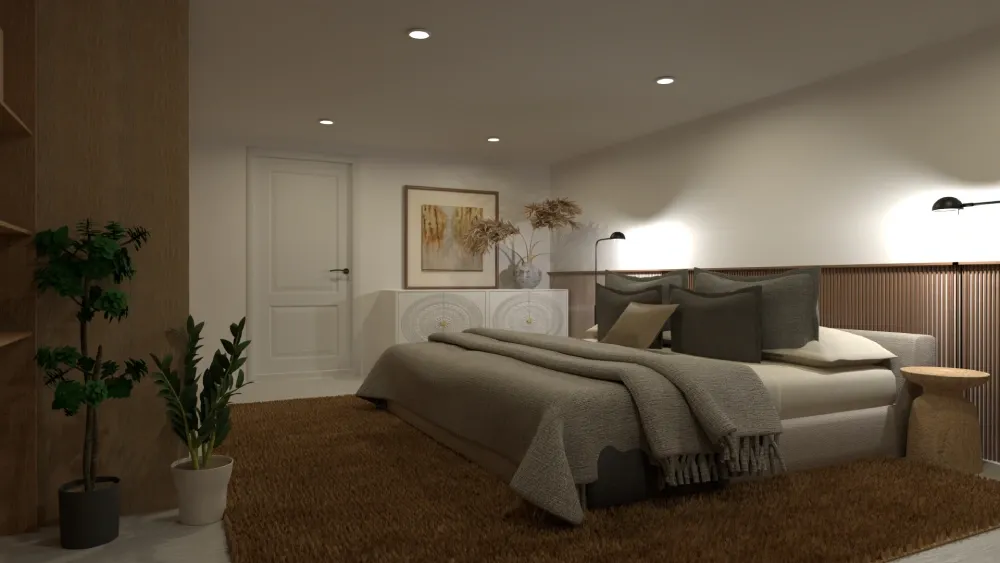
For a standard 80-inch-by-32-inch door, you need a rough opening of 82 inches by 34 inches. For a 36-inch door, that's 82 inches by 38 inches.
Ready to plan your bedroom layout with accurate dimensions?
Use Planner 5D to design your space with exact door measurements and see how furniture fits before you buy.
This extra space lets you install the door frame, adjust for walls that aren't perfectly straight, and add the trim work. If you're replacing doors or doing renovation work, knowing the rough opening size helps you figure out what will actually fit without tearing out walls.
International variations
Door sizes aren't the same everywhere. If you're working on a project abroad or looking at international design ideas, keep these differences in mind.
- UK doors typically measure 1981mm (about 78 inches). British homes often have slightly shorter doors than American ones.
- European standards range from 2000mm to 2100mm (78.7 to 82.7 inches). Different countries within Europe use different standards.
- Australia uses 2040mm (80.3 inches), which is very close to the US standard.
- Canada matches the United States with 80-inch doors, making cross-border building projects simpler.
When you need a custom height
Sometimes standard sizes won't work, and you'll need something different. Here are some cases that might require a custom height.
Historic home restoration often requires custom doors to match original dimensions. Older homes had their own standards, and maintaining authenticity means matching those sizes.
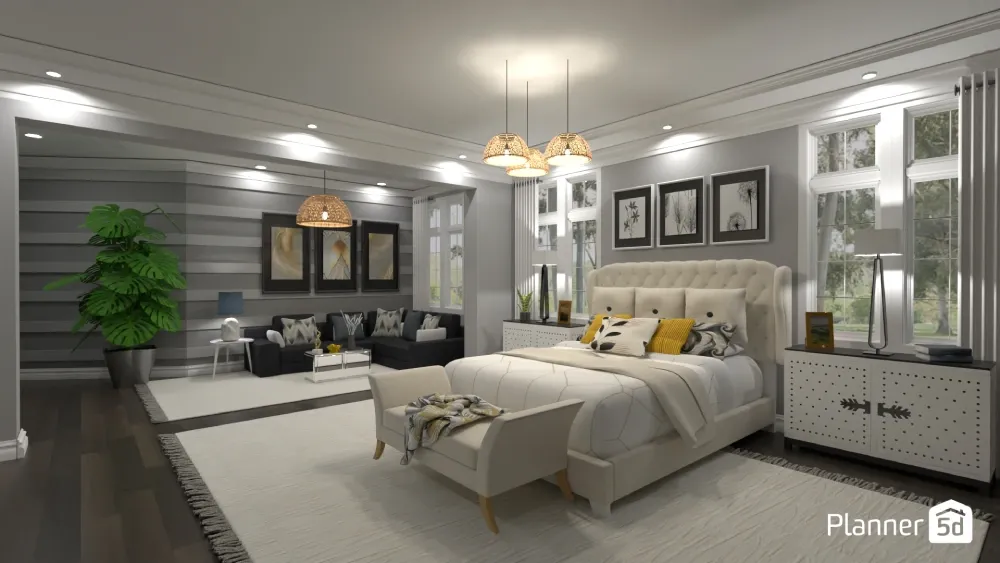
Non-standard ceiling heights create situations where standard doors look out of place. If you have 12-foot ceilings, an 80-inch door might look stubby and out of place.
Oversized furniture access is a practical reason people go custom. If you collect antiques, have a grand piano, or just bought a massive sectional sofa, a taller or wider door might be your only option for getting it into the room.
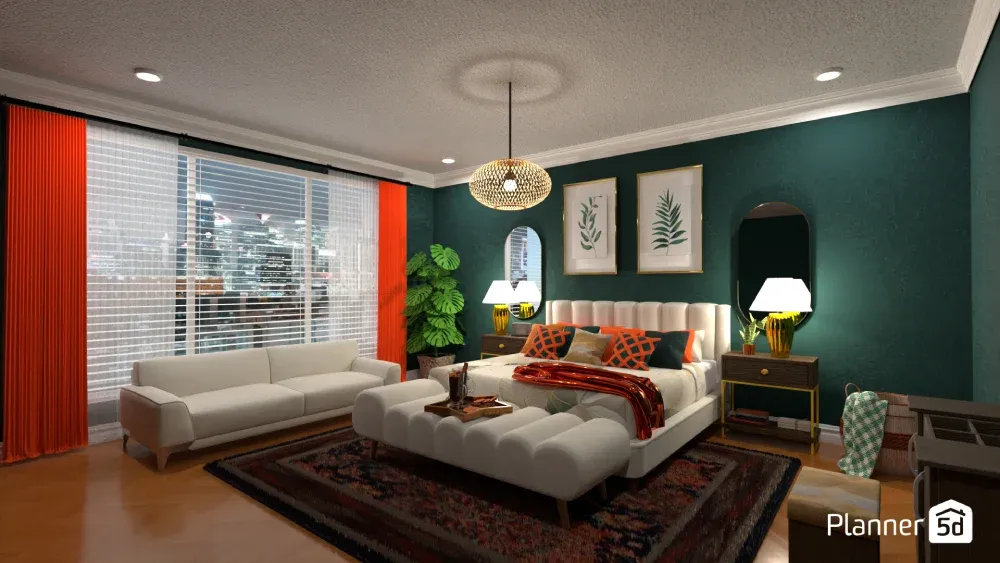
Architectural design features sometimes call for dramatic proportions. Modern homes with open concepts and tall ceilings often use doors that match the scale of the space.
Measuring your existing door
Need to measure what you have? Here's the right way to do it.
- Measure from the floor to the top of the door frame, not the door itself. The frame is what determines the standard size you're working with.
- Check for settled floors and uneven measurements. Older homes shift over time, and your floor may no longer be level. Measure both sides of the doorway.
- Measure the width at three points: top, middle, and bottom. This tells you whether the frame is square or whether settling has changed its shape.
These measurements tell you whether you're dealing with standard sizes or if you need custom work when it's time to replace doors.
Planner 5D: The Future of Interior Design
Experience the power of AI-driven design with Planner 5D. Our innovative tools, including the Design Generator, Smart Wizard, and AI floor plan recognition, make bringing your dream home to life easier than ever. Transform your vision into reality and unlock a world of design possibilities today.
Start designing your dream home