Ultimate Guide to Home Plans & How to Use Them
Discover how a ready-made home plan can transform any of your home projects.
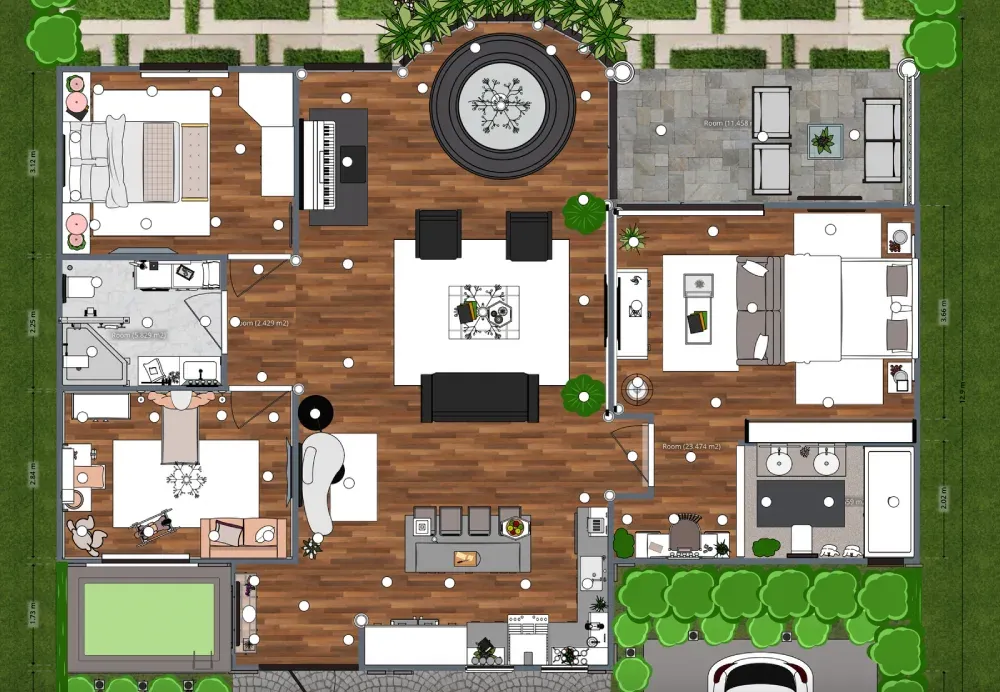
Planning a new home is always an exciting time. It's also one of the biggest decisions you'll ever make, so you don't want to make the wrong decision. That's when having a detailed home plan can come in handy.
Whether you're building from scratch, adding to your existing space, or simply daydreaming about your ideal home, having a solid home plan makes all the difference.
Let's walk through everything you need to know about home plans and how to bring your vision to life.
What is a home plan?
A home plan is the blueprint for your house. Think of it as a detailed map that shows how your home will look and function. It includes floor layouts, room sizes, the placement of doors and windows, and how everything is connected.
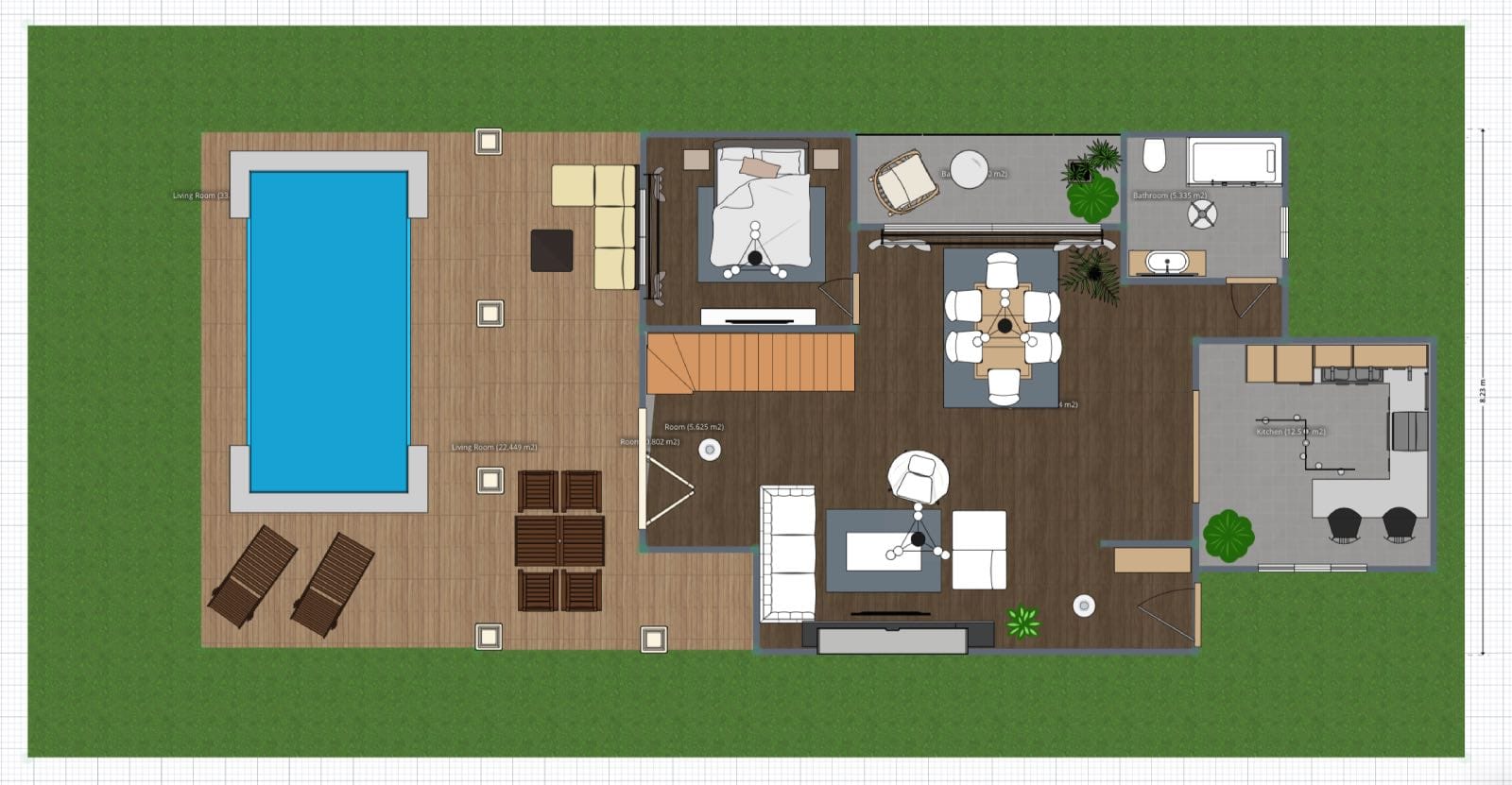
Good home plans clearly display the layout of each floor, along with the specific dimensions and locations of each room. They mark where doors and windows will go, identify wall locations and types, and include roof design with elevation views.
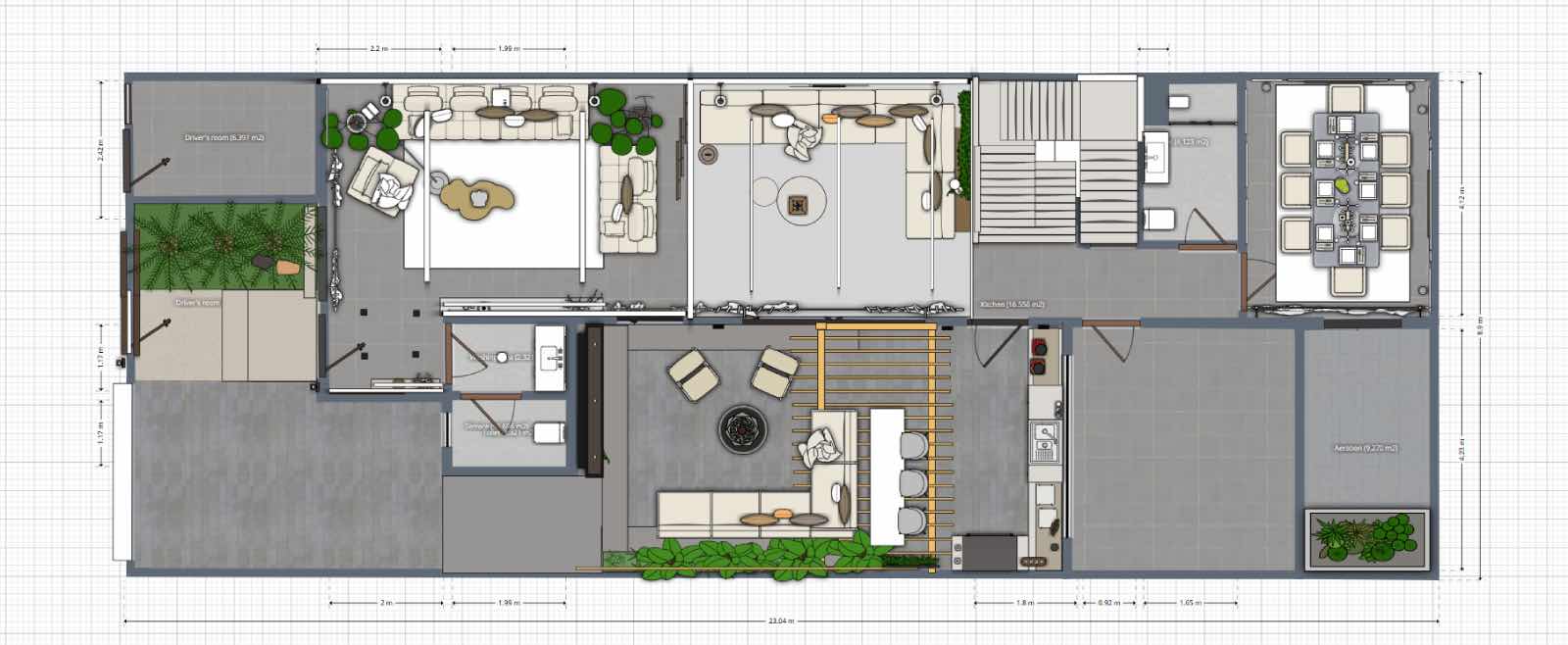
You'll also see basic electrical and plumbing information that helps contractors understand the technical requirements. These plans guide builders and help you see exactly what you're creating before construction starts.
Want to design your dream home faster?
Let AI do the heavy lifting with Planner 5D.
They serve as your reference point throughout the entire building process, keeping everyone on the same page about what the finished home should look like.
Types of home plans
Different lifestyles need different homes. Here are the main types you'll come across.
Single-story homes
Single-story homes keep everything on one level. No stairs means easier living, especially as you get older or if anyone in your family has mobility needs.
These homes are also ideal for families with young children who are learning to walk and explore safely. They're perfect for anyone wanting easier maintenance, as you won't have to haul cleaning supplies or laundry up and down stairs.
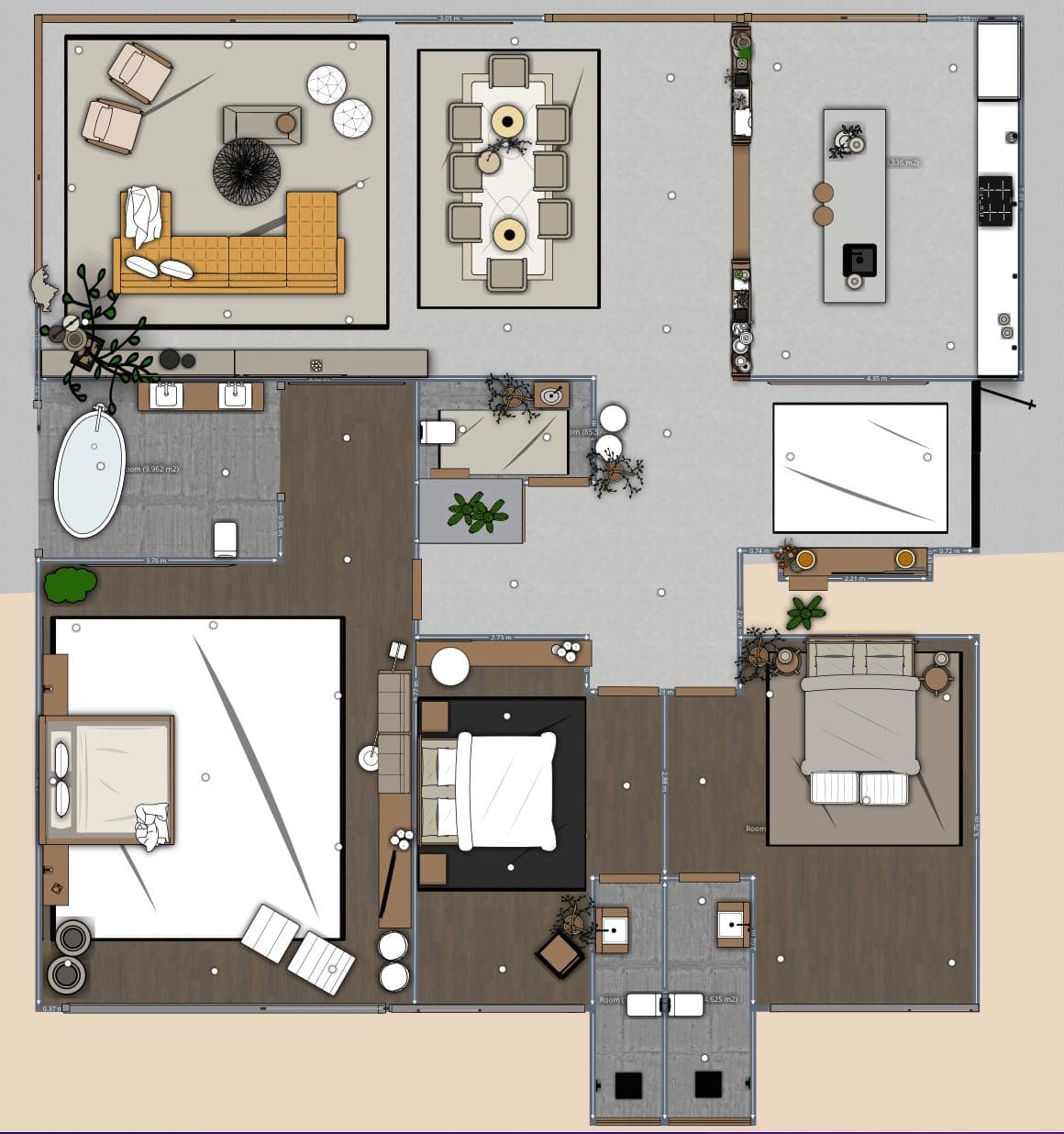
Many people choose single-story designs when planning to age in place, knowing the home will serve them well for decades. The open concept layout that single-story homes often feature makes entertaining easier and helps families stay connected throughout the day.
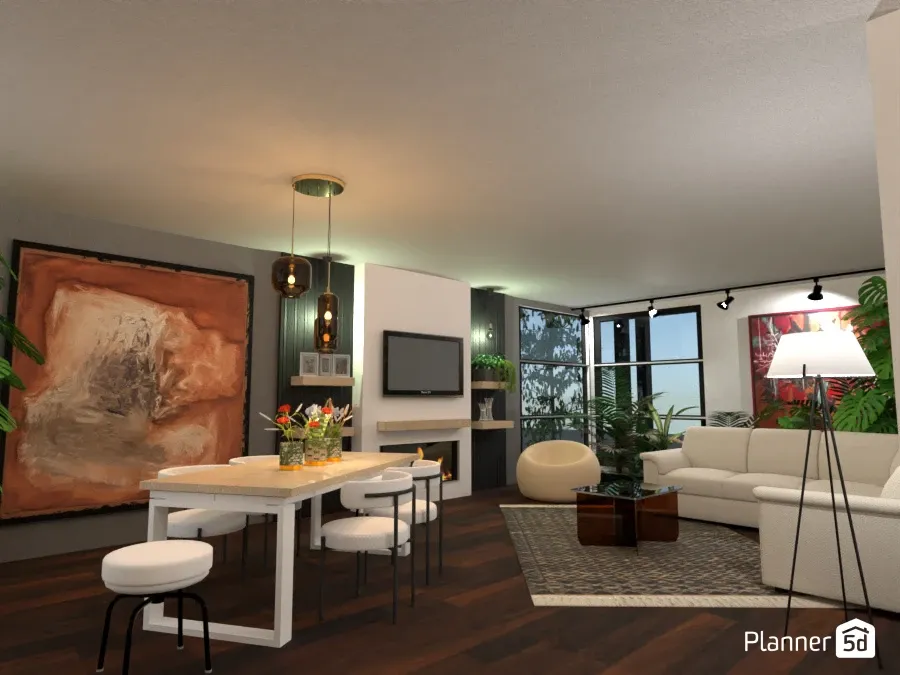
The downside? You'll need more land since everything spreads out instead of up. This can make single-story homes more expensive in areas where land costs are high. You'll also have a larger roof to maintain and more foundation to build, which can add to construction costs.
Multi-story homes
Two-story homes stack living spaces vertically. They're popular because they fit more house on a smaller lot. You get better use of limited land, which matters more in cities and suburbs where properties are expensive and space is limited.
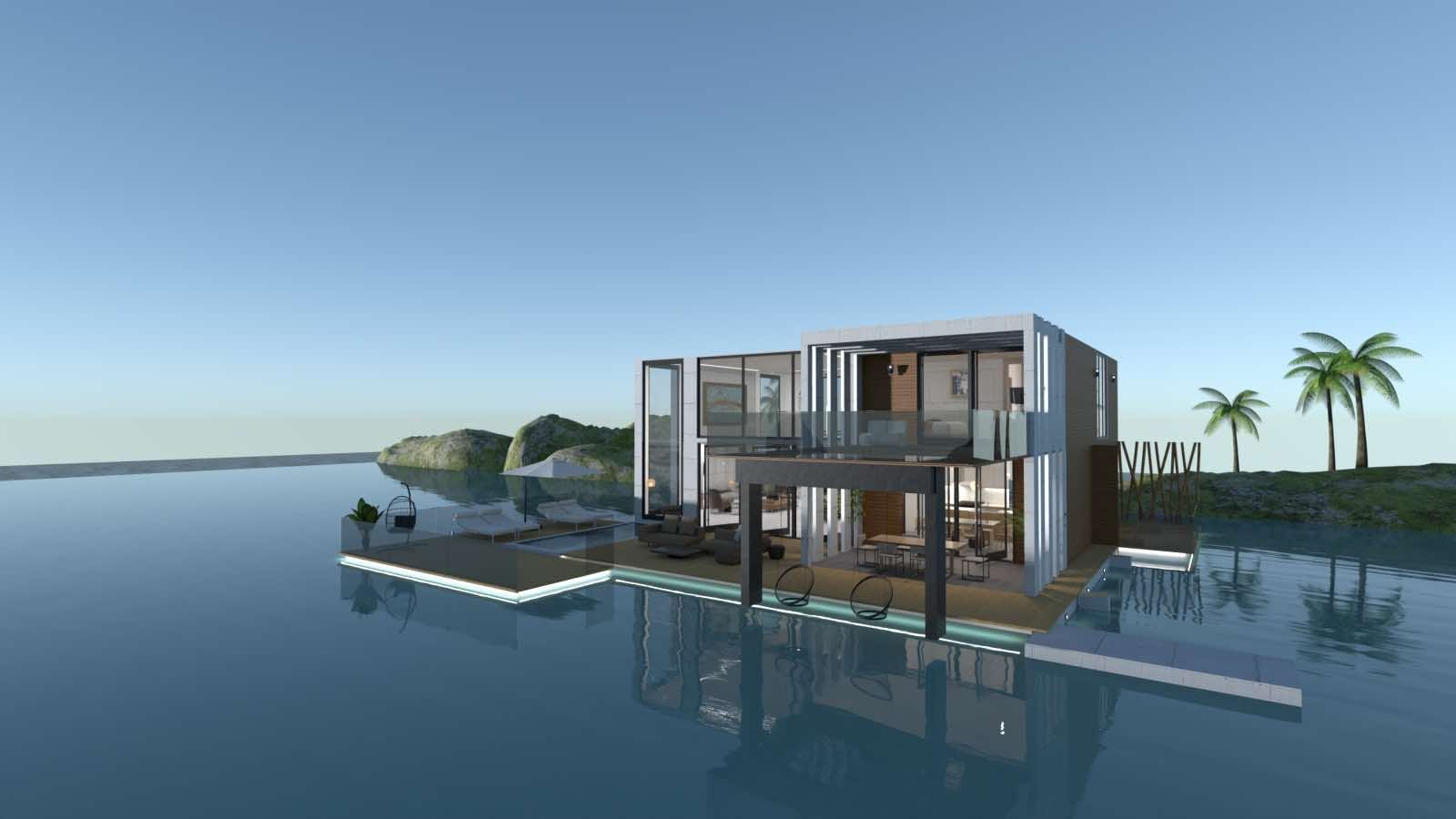
The natural separation between living and sleeping areas gives families more privacy. Parents can entertain downstairs while kids sleep upstairs without disturbing each other.
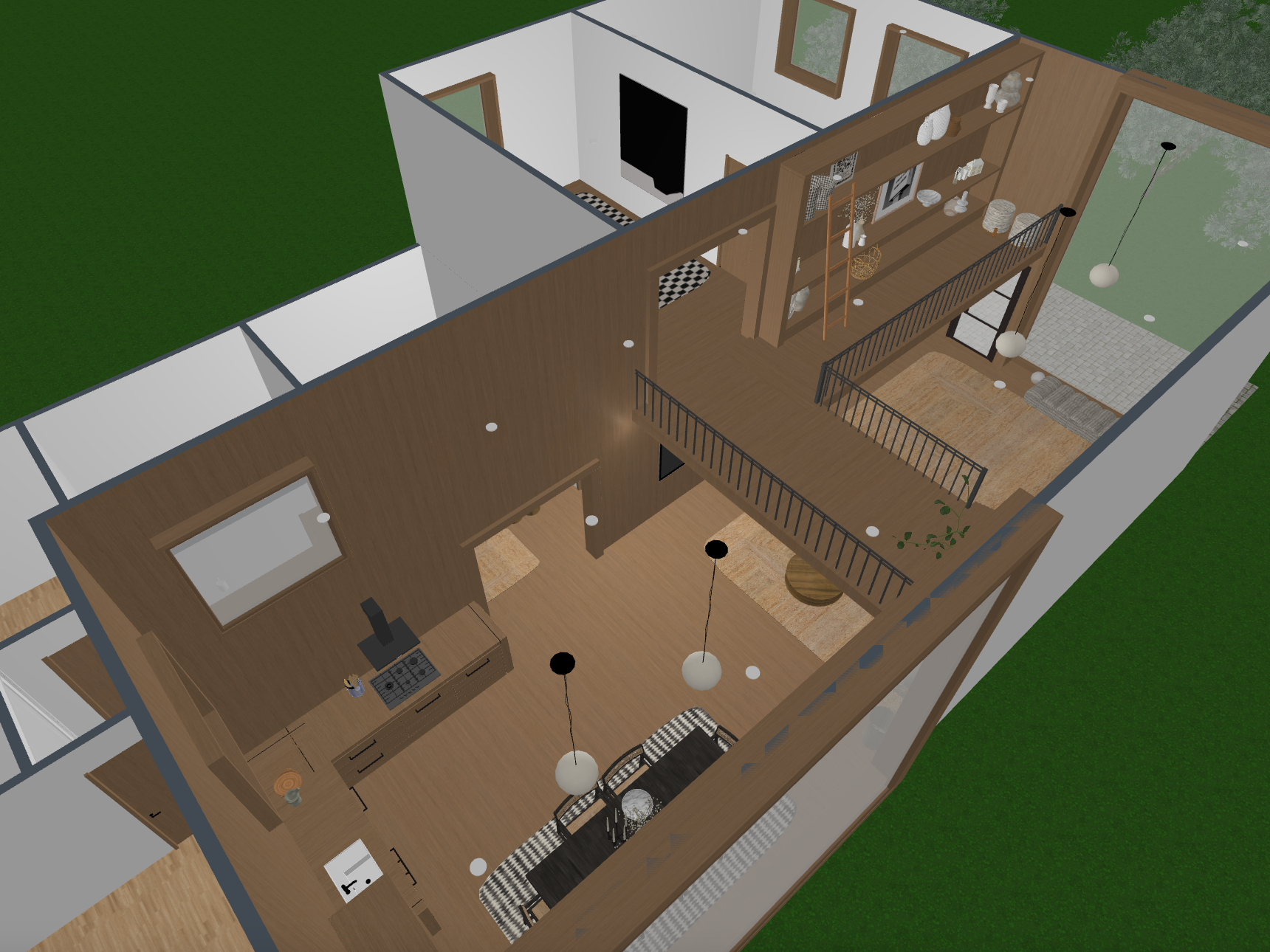
These homes are often more affordable per square foot because they are built up instead of out. Plus, upper floors usually offer better views of the surrounding area, whether that's a neighborhood, mountains, or water.
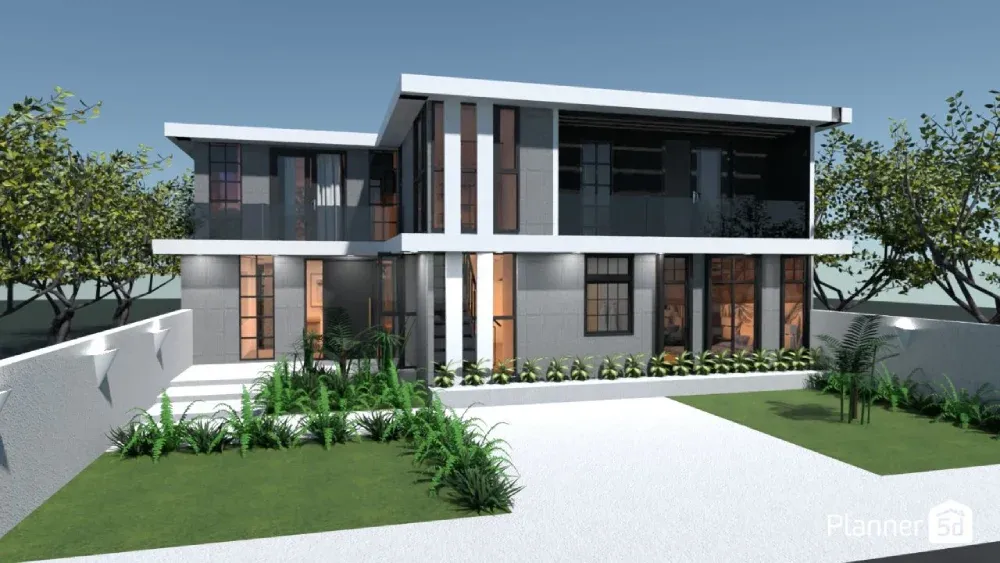
The trade-off is those stairs. They're fine when you're young and active, but they can become a real challenge as you age or have mobility issues.
Multiple floors also make it challenging to move furniture between levels, and even performing daily tasks like laundry can feel like a workout if your machines are located on a different level than your bedrooms.
Duplex homes
Duplexes are two homes that share a single building. Each side has its own entrance and living space. These plans are ideal for multi-generational families who want to stay close while maintaining their privacy.
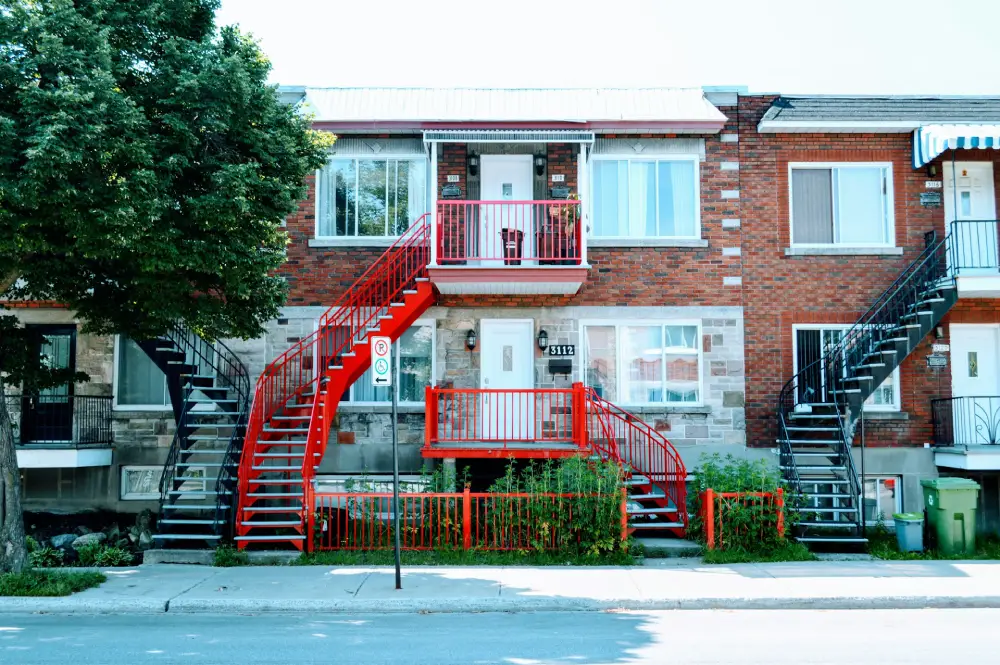
Imagine having your parents next door but not in your actual house. You can help each other out while everyone keeps their own space. But they are also great for their rental income potential. You live on one side and rent out the other, helping cover your mortgage.
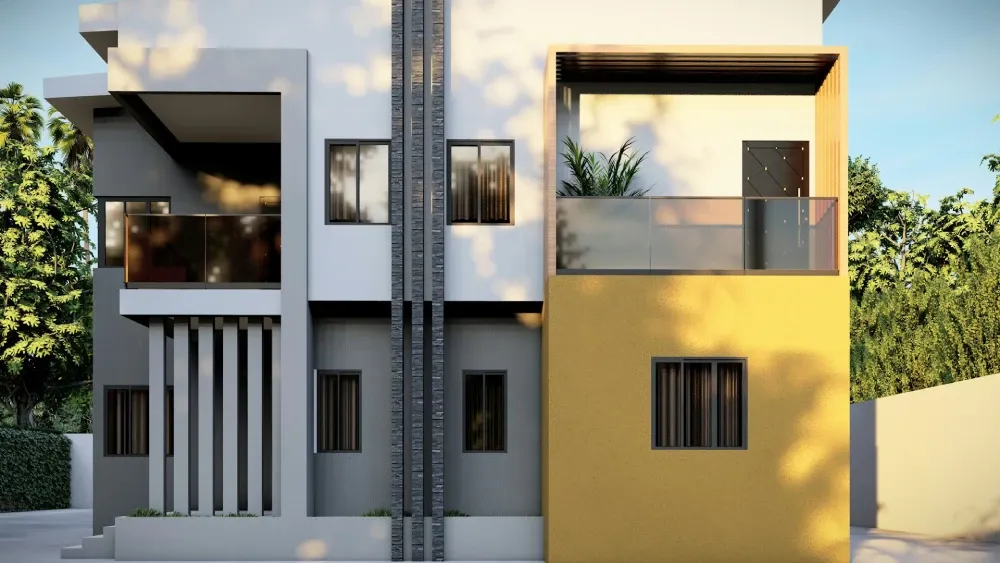
Some families split costs with another family member, making home ownership more affordable for both parties. The flexibility is huge, too. As your needs change, you can adjust how you use the space without needing to relocate.
Stuck on your next design move?
Let AI generate stunning layouts in seconds.
You enjoy the benefits of homeownership while sharing land and some building costs. The shared wall reduces construction expenses compared to building two separate homes. Maintenance costs for things like the roof and foundation are split, making upkeep more manageable.
Tiny homes
Tiny homes pack everything into 400 square feet or less. What started as a trend has become a real solution for many people. The building and maintenance costs are significantly lower than those of traditional homes, sometimes by tens of thousands of dollars.
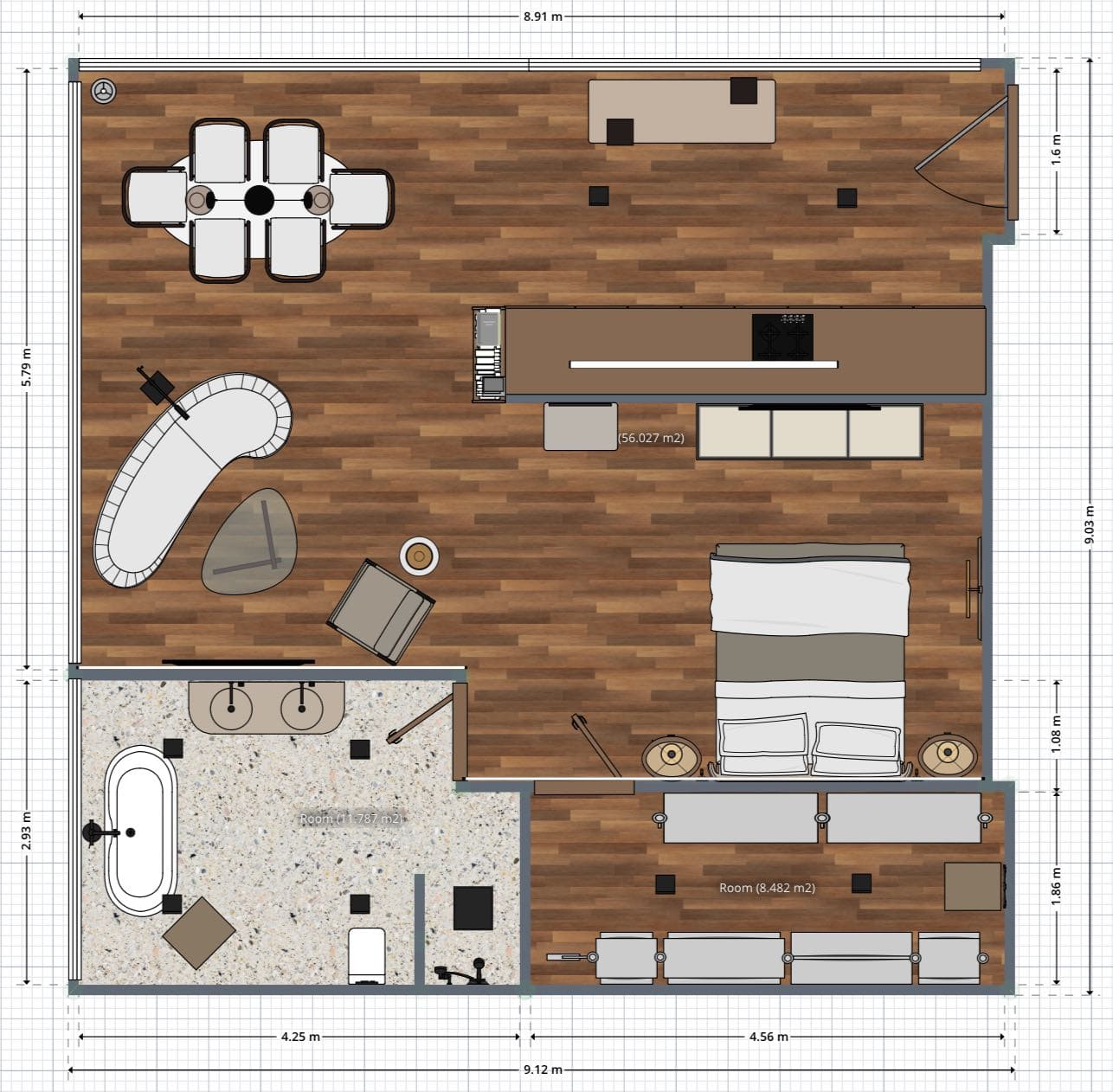
Living with less stuff means less stress and less time spent cleaning and organizing. Many tiny home owners find that they have more money for experiences rather than things. These small spaces are easier to make eco-friendly since they use fewer materials and less energy to heat and cool.
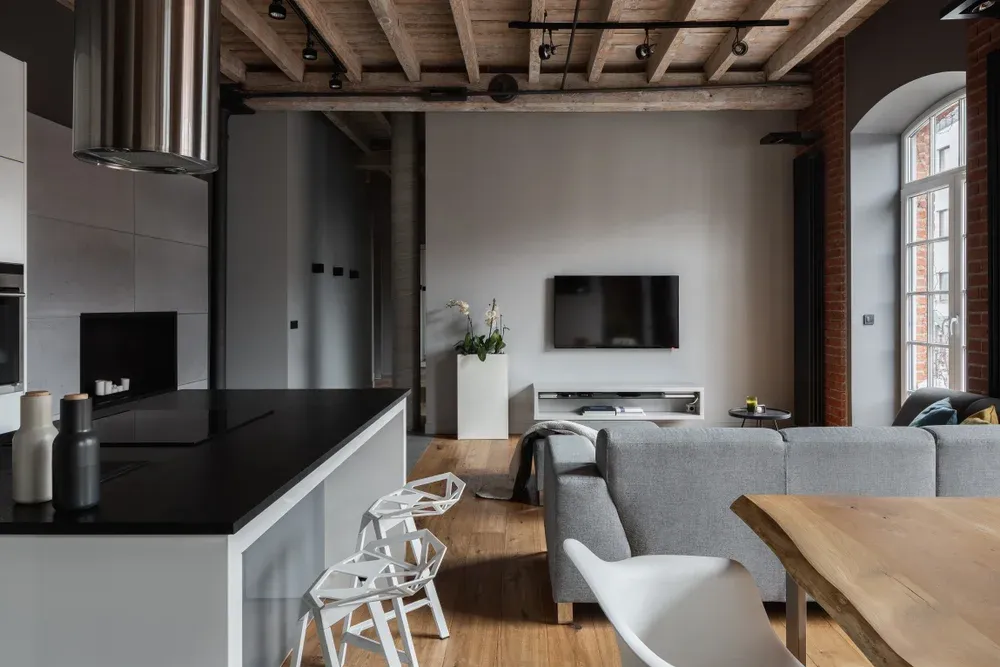
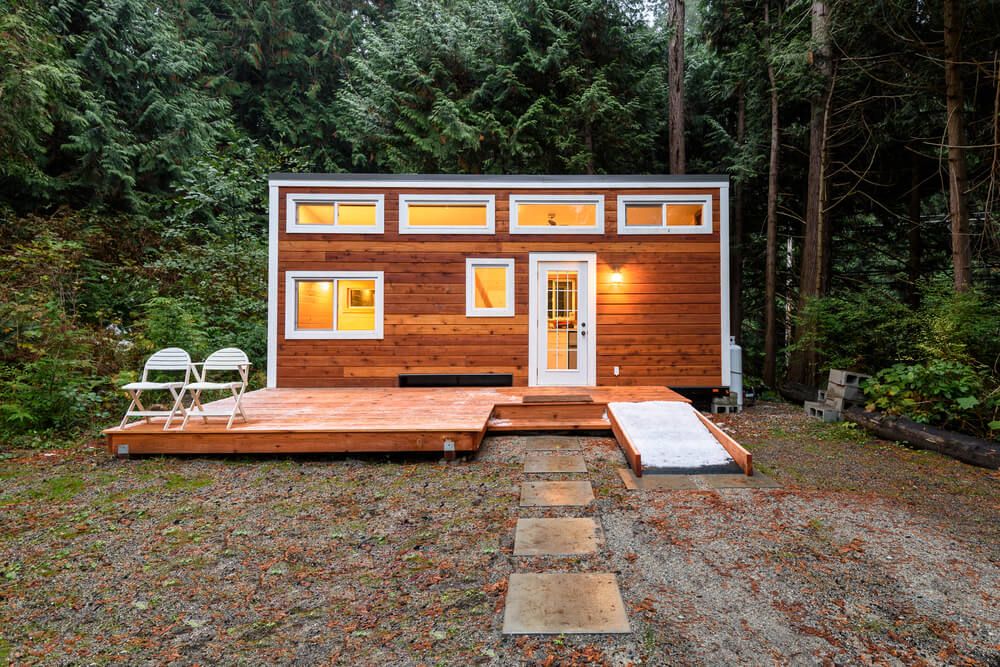
Some tiny homes can be mobile, providing you with the freedom to relocate your entire house to a new location. Others remain fixed but still offer the benefits of a simplified life.
The challenge is making every inch count. Smart storage becomes essential when you don't have a garage or attic to hide things. Multi-use furniture is your best friend.
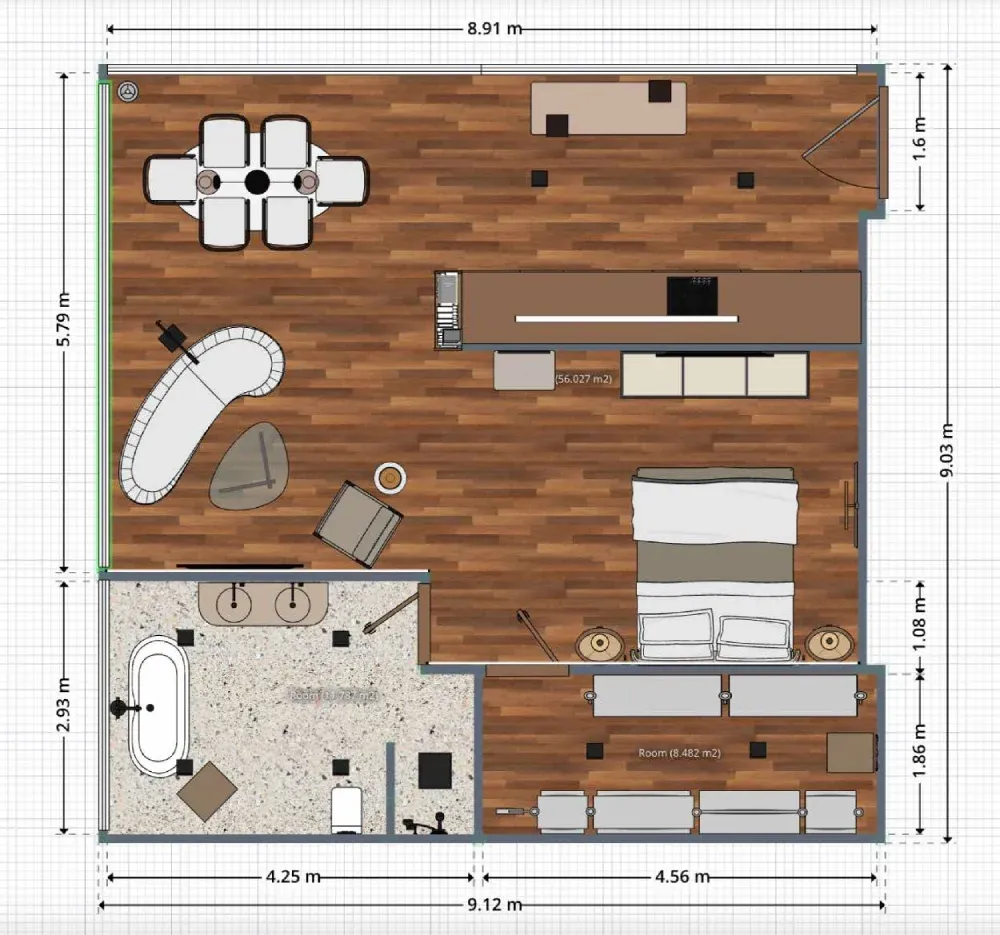
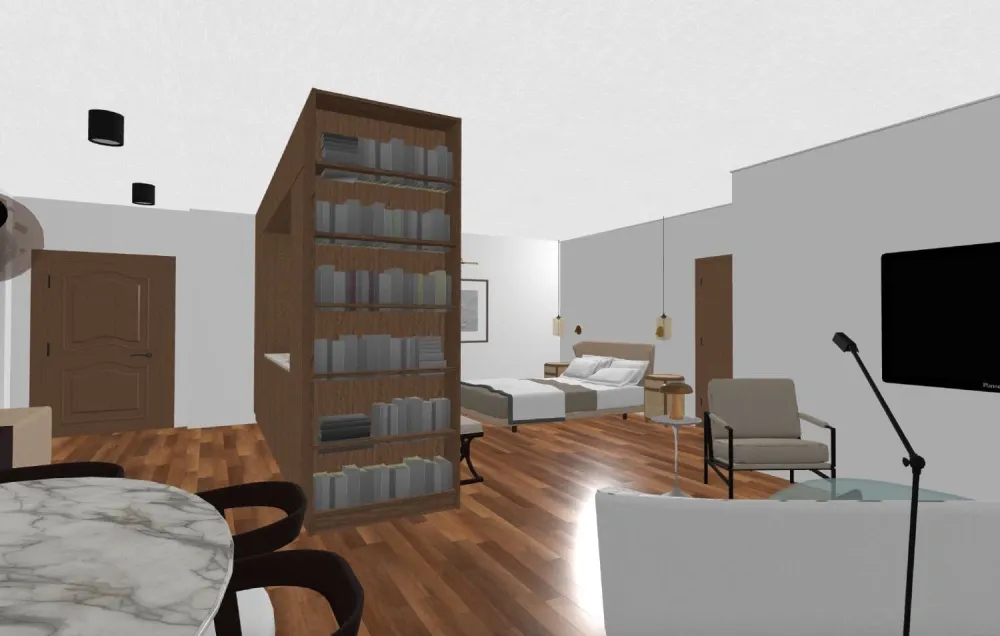
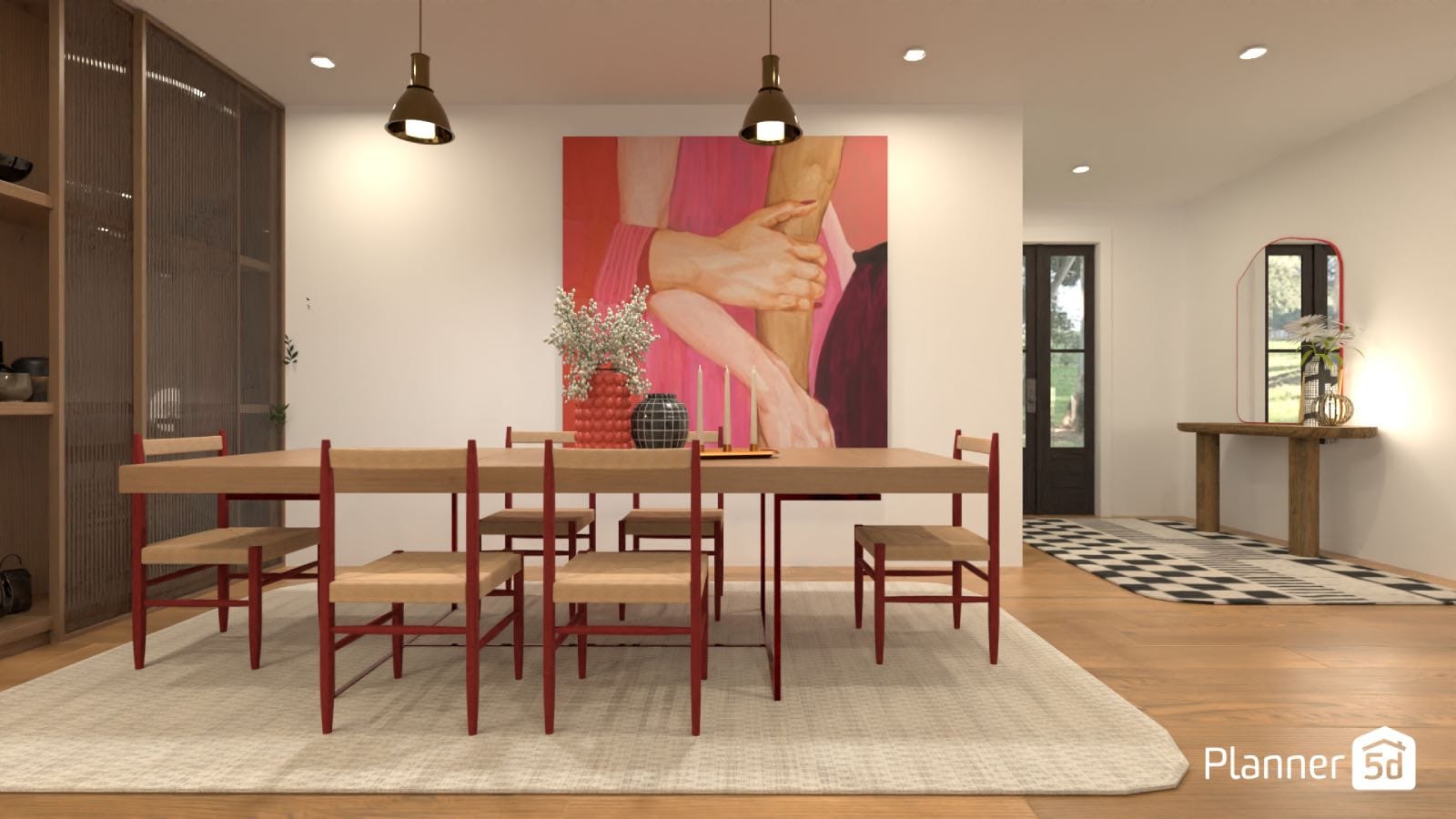
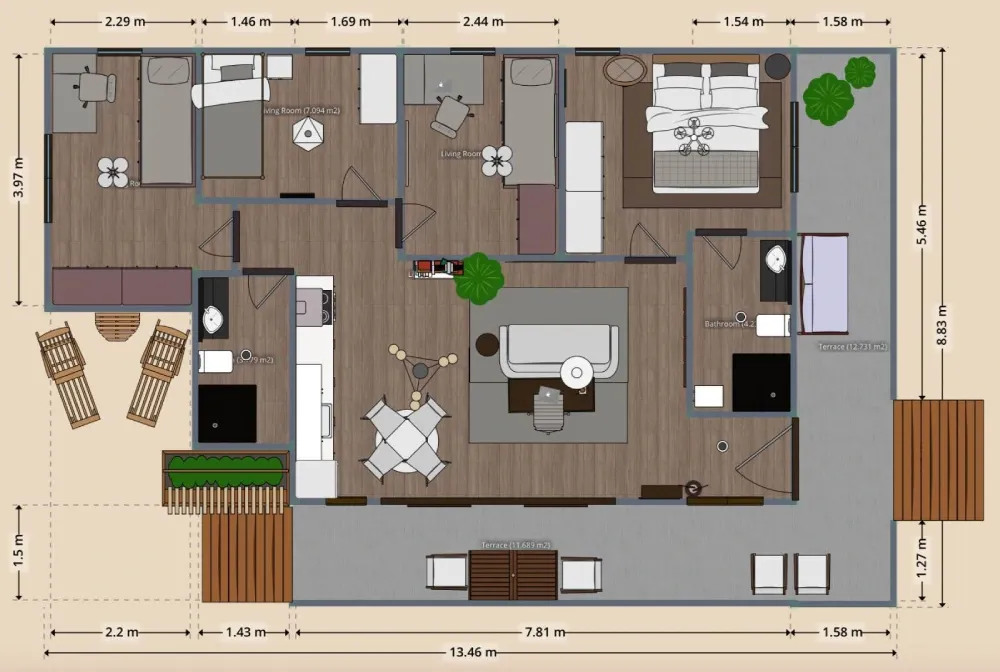
Plan and rendering designed using Planner 5D
Your dining table might fold into the wall, and your bed could have drawers underneath. You'll need to be intentional about what you own and creative about how you use your space. But for many people, that's precisely the point.
Custom home plans
Custom plans let you design exactly what you want. Instead of picking from existing layouts, you create something that perfectly fits your life. You might go custom to match your daily routines and hobbies.
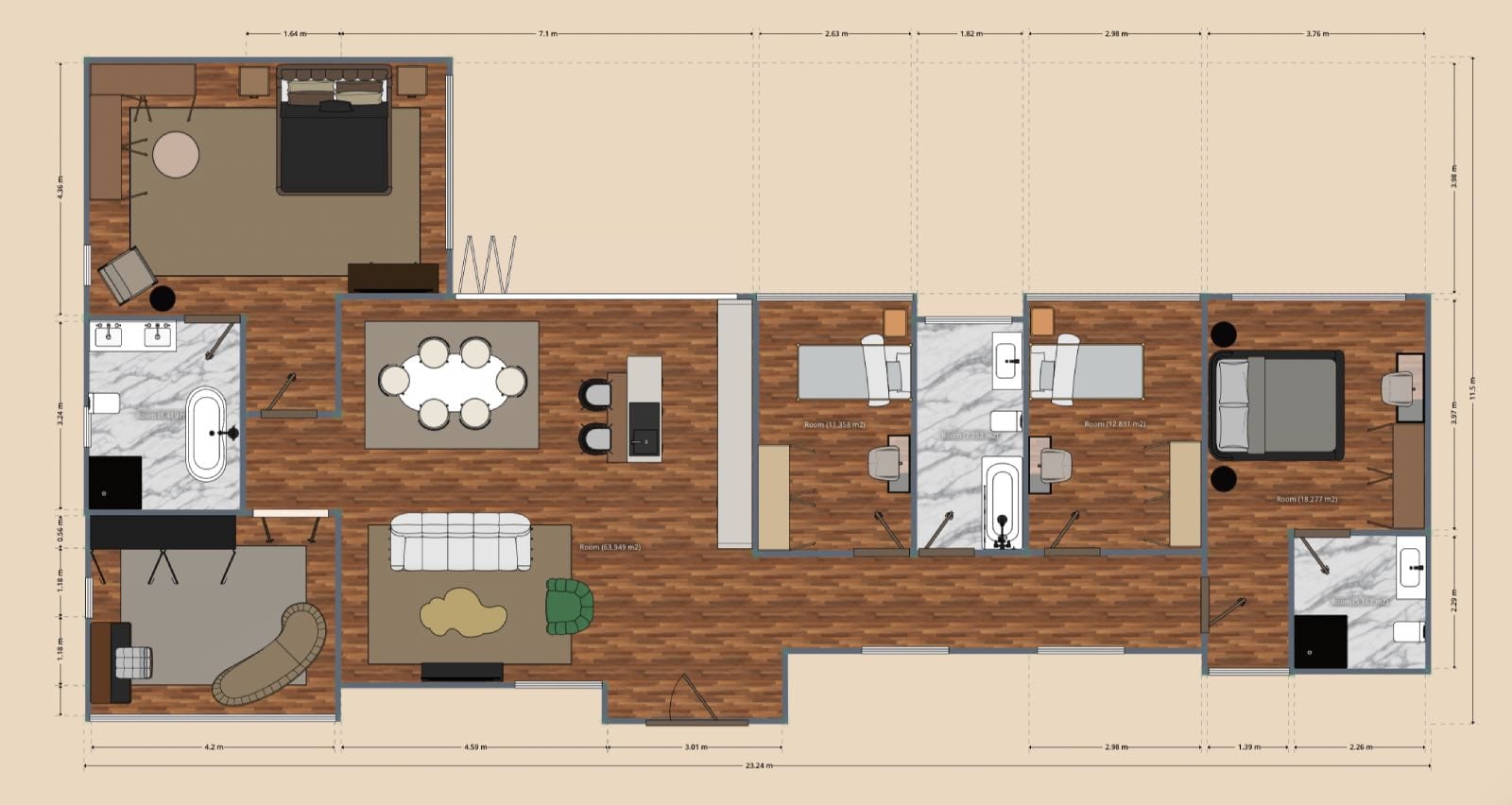
If you're an artist, you can design a home studio with perfect natural light. Love cooking? Create a kitchen that flows exactly how you work. Custom plans also work well for unusual lot shapes or sizes where standard plans just don't fit. You can include special features that you can't find elsewhere, such as a home theater, indoor pool, or workshop space.
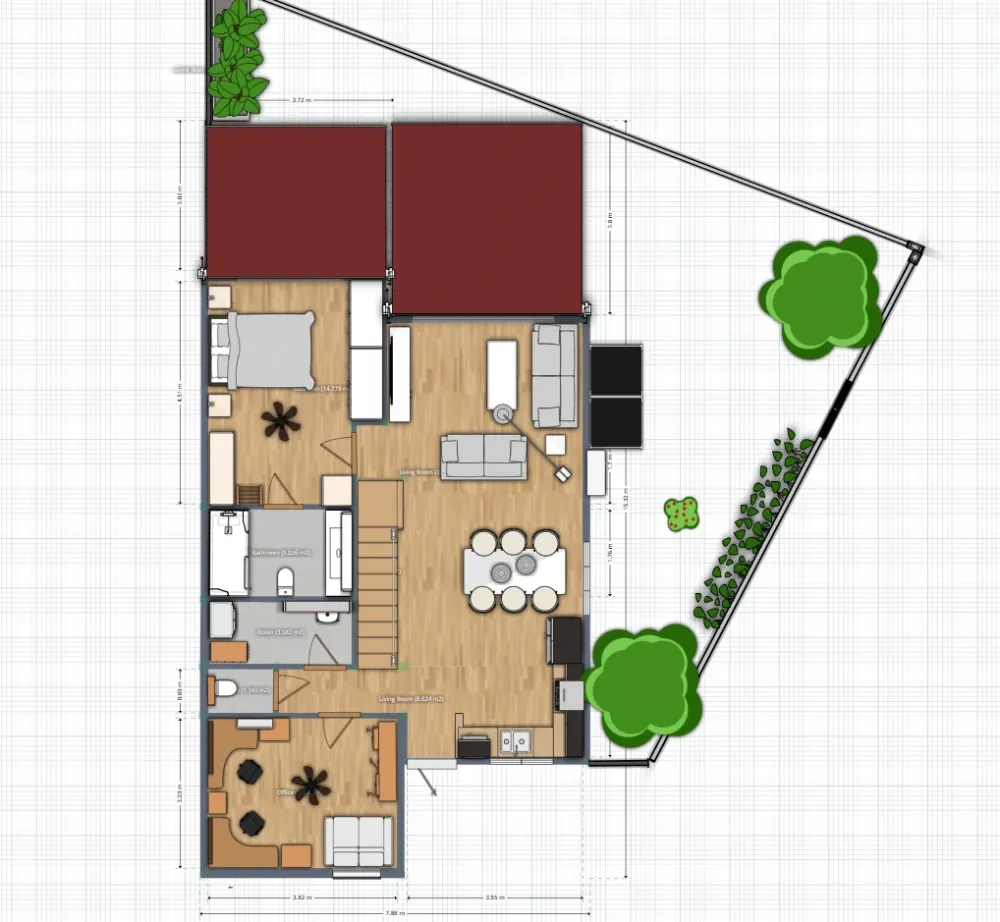
The design can reflect your personal style completely, from modern minimalism to classic farmhouse charm. Custom planning also allows you to accommodate specific accessibility needs, whether that's wheelchair access, visual accommodations, or any other feature that makes your home work for you.
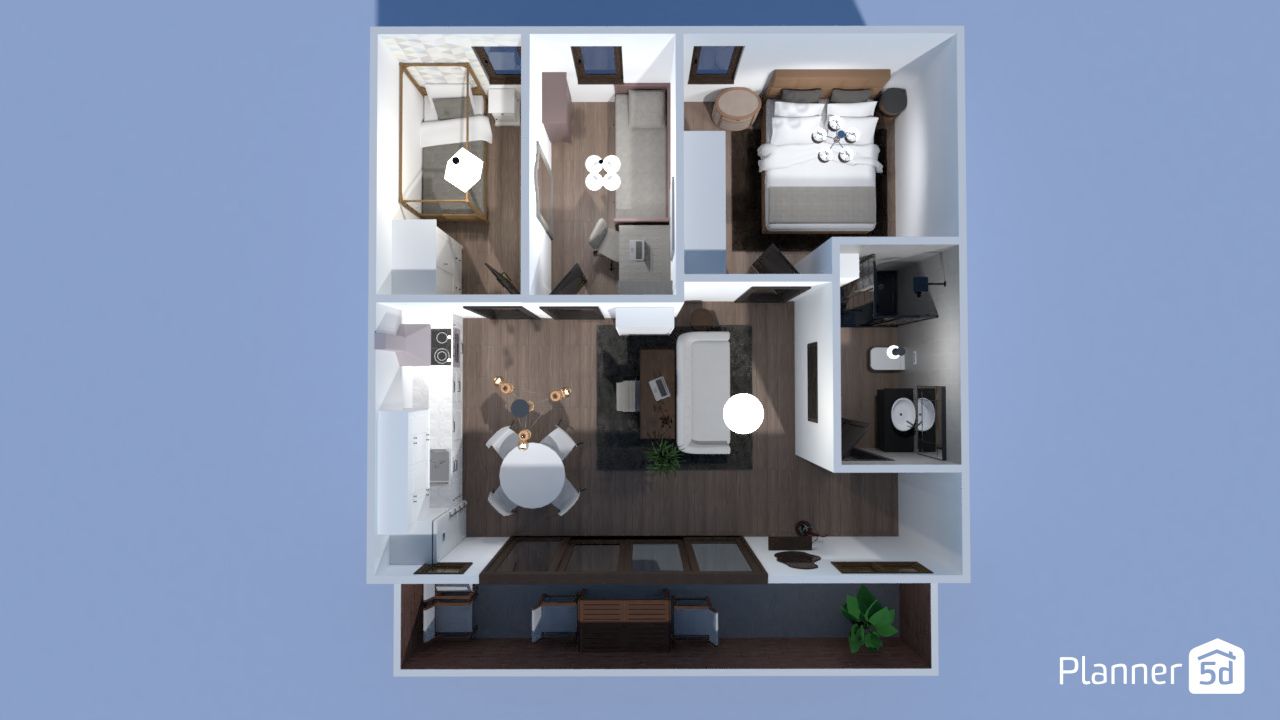
Custom plans cost more and take longer, but you get a home that's truly yours. Every detail serves a purpose you chose. Nothing is wasted, and nothing is missing.
Digital home planning vs traditional methods
The way you create your home plan has changed significantly in recent years. Technology has made this task a lot easier and faster, allowing anyone to do it.
Traditional home planning
The old way meant hiring an architect or designer. They'd sketch ideas, create technical drawings, and make revisions by hand. You'd look at flat, 2D drawings and try to imagine the finished space.
Traditional planning is effective, but it has its limitations. Costs add up quickly when you're paying professionals by the hour. Changes take time because someone needs to redraw everything. It's hard to picture the final result from flat drawings, which means you might not catch problems until it's too late to fix them easily.
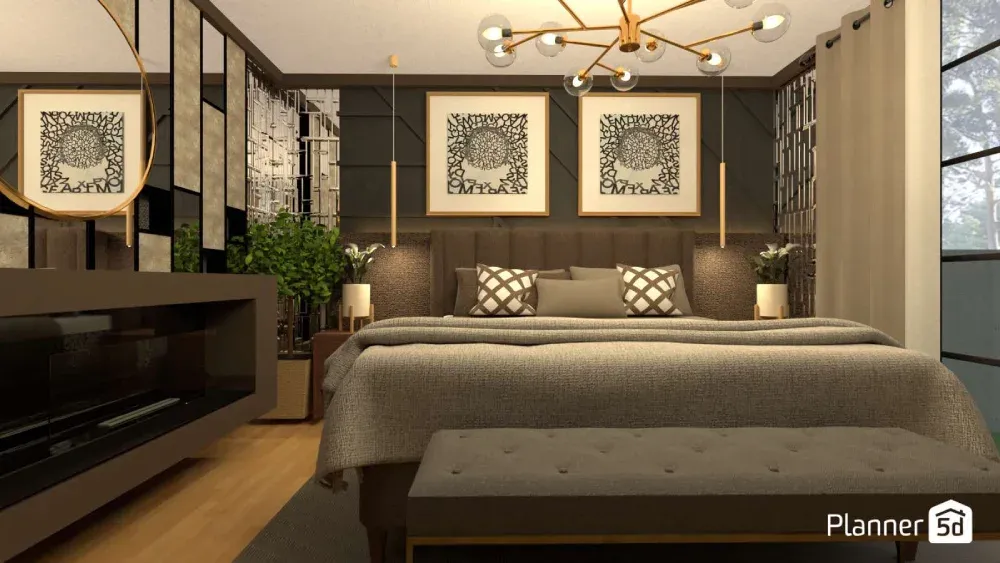
The process requires multiple meetings and back-and-forth discussions. For homeowners, there's less hands-on involvement since you're mainly reacting to what professionals create rather than shaping the design yourself.
Digital home planning
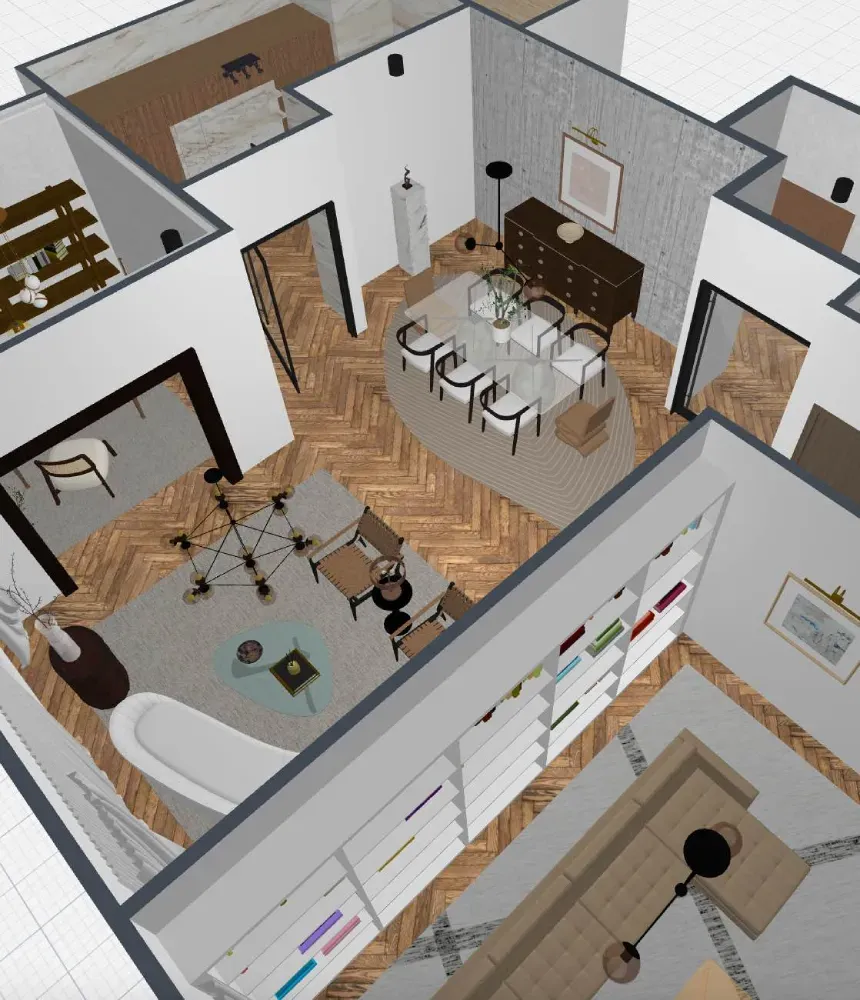
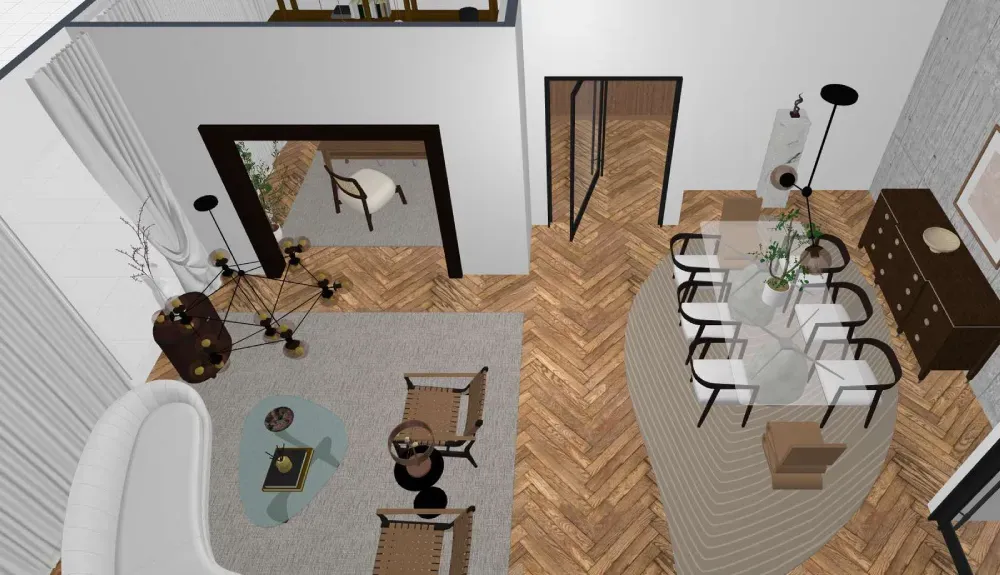
Digital tools let you design your home on a computer or tablet. You can visualize your ideas in 3D, make instant changes, and walk through virtual rooms before you build anything. Digital planning is taking over for good reasons.
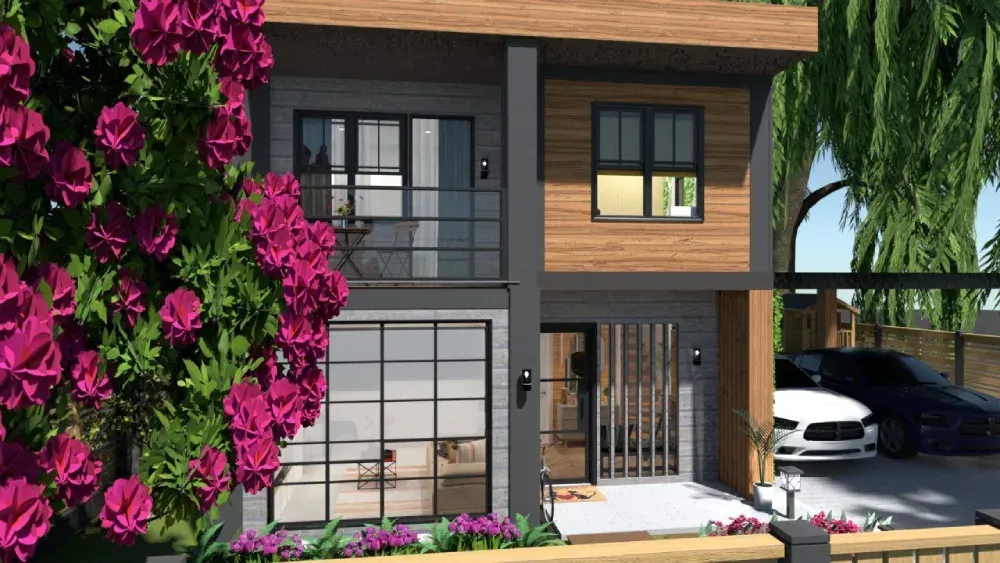
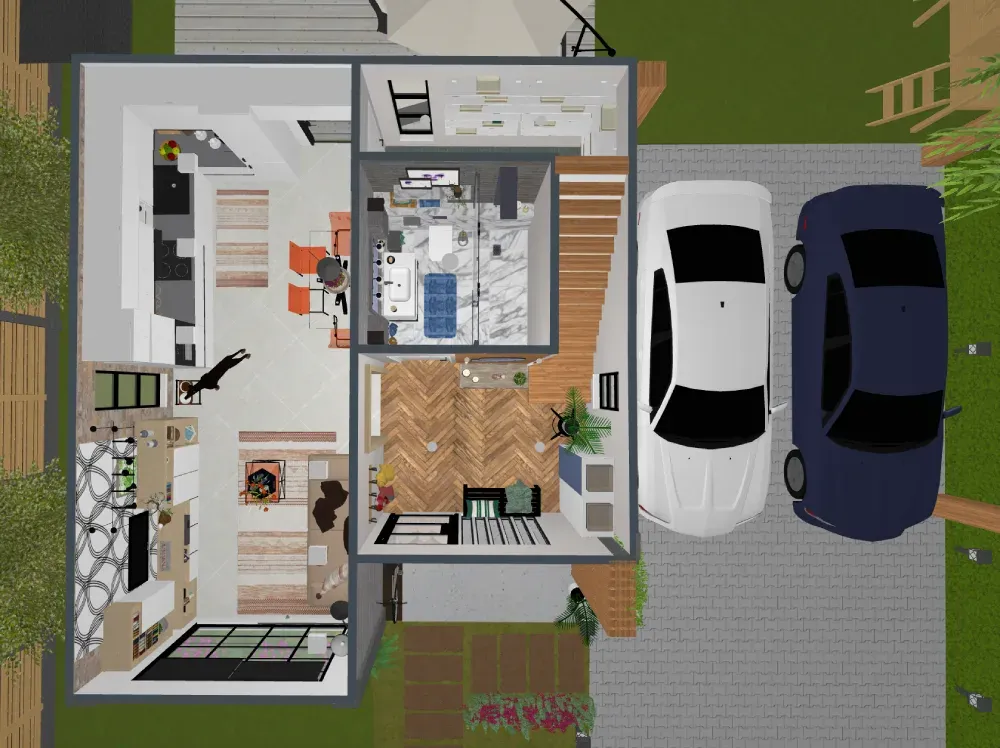
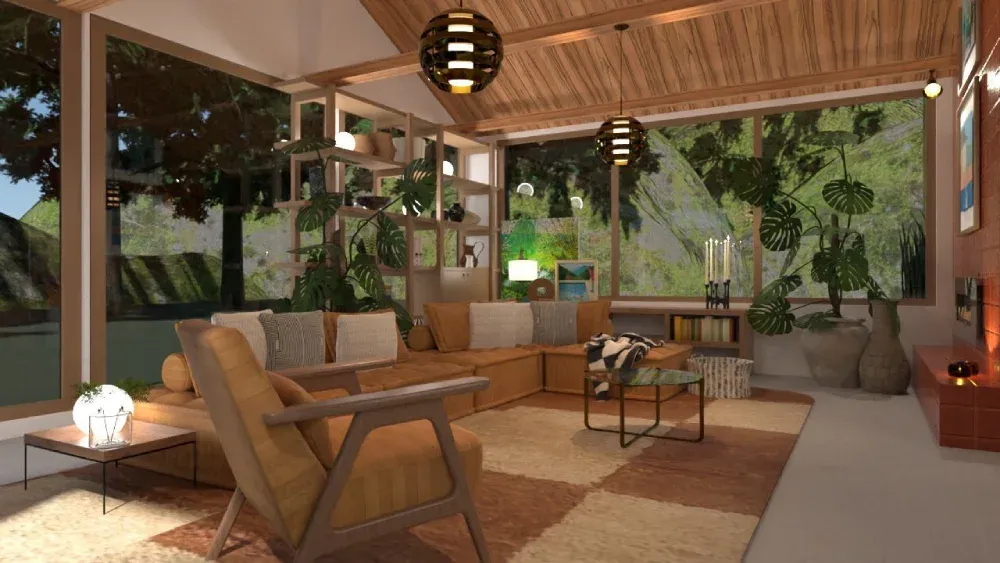
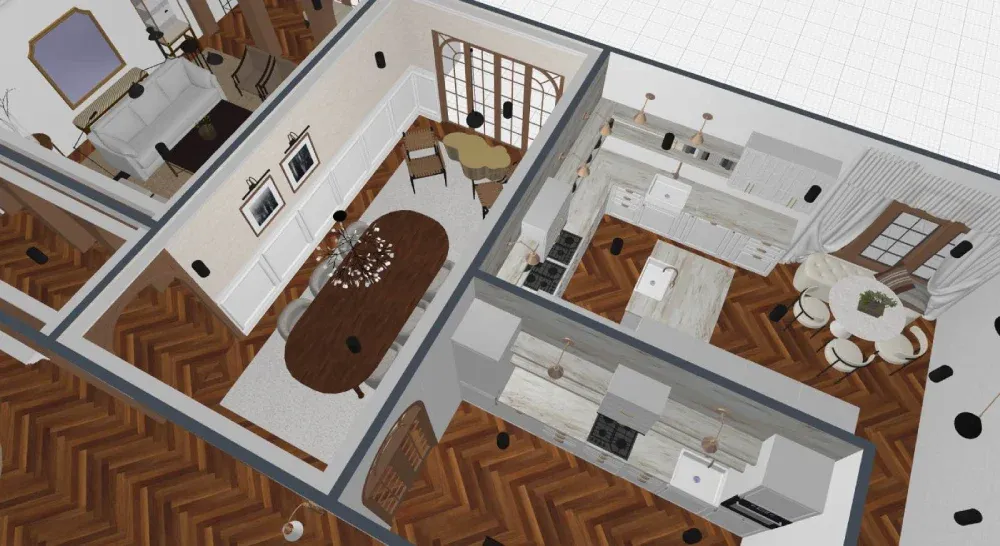
Design by Freek created in Planner 5D .
You can see your home in realistic 3D, which helps you understand how spaces will actually feel. Making unlimited changes happens instantly with a few clicks, rather than waiting for new drawings to be created. You can quickly try different layouts and styles, testing ideas that you might not have explored with traditional methods due to the cost.
Digital planning is much more affordable than hiring professional help for every revision. You work at your own pace, designing at midnight if inspiration strikes or taking weeks to perfect one room. Sharing designs with family or builders is as easy as sending a link or file.
You don't need special skills. Modern home planning software is built for regular people, not just professionals. The tools understand that most users have never designed a home before and make the process simple and approachable.
Why use Planner 5D for home planning?
Planner 5D makes home design simple. You don't need experience or training.
- The realistic 3D modeling brings your home design to life in ways flat drawings never could.
- You can walk through rooms virtually, check sight lines from different angles, and get a real feel for how the space flows. It's like touring your home before it exists.
- Catch things you'd never notice on paper, like whether a hallway feels too narrow or if a window placement creates awkward shadows.
- Choose from an extensive template library of objects to get a head start on your design. You can start with pre-made home plans and customize them, rather than beginning from scratch.
- Browse through single-story layouts, tiny homes, modern designs, and more.
- Select something close to what you want and adjust it accordingly. This saves hours of work and provides you with professional-quality starting points, even if you've never designed anything before.
- Customize your design by adjusting wall colors, swapping flooring materials, relocating windows to different walls, or completely changing room sizes. Everything updates in real time as you work.
You can try bold ideas without risk because it's all digital. Don't like it? Just undo and try something else. This freedom to experiment helps you discover what you truly want, rather than settling for your first idea.
Designed for everyone
The software works for everyone, whether you're planning your first home or you've designed dozens. Even first-time home planners can jump right in without feeling overwhelmed. The interface is intuitive, allowing you to move walls and place furniture within minutes.
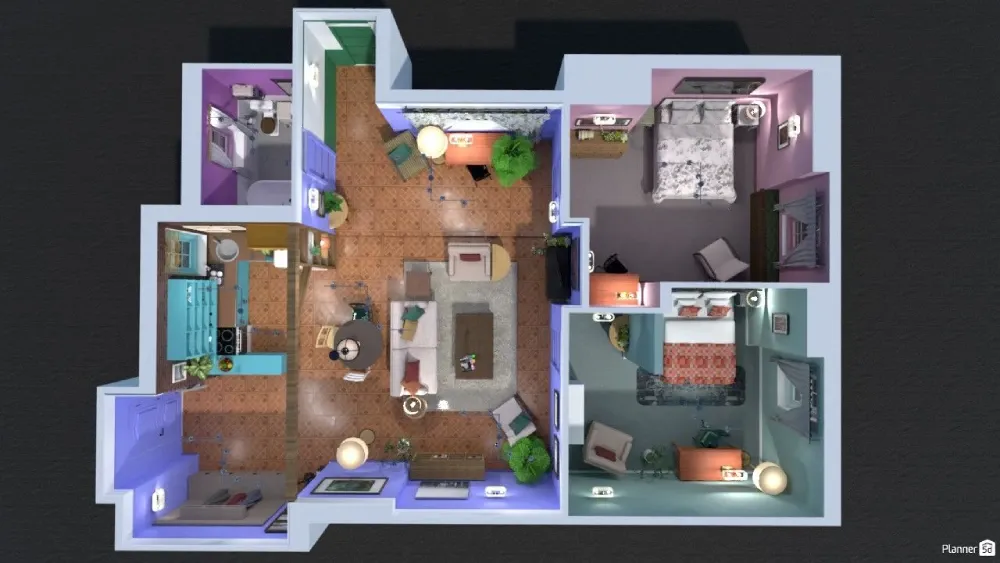
Experienced designers have access to detailed tools for precise measurements and technical specifications. The software grows with your skills, offering more advanced features as you're ready for them.
Planner 5D gives you the creative freedom to experiment without the expensive mistakes. You can test ideas, make changes, and refine your vision until it's exactly right. The software handles the technical details, allowing you to focus on creating spaces you'll love living in.
How to start designing your dream home today
Getting started is easier than you think.
Step 1
First, create your free Planner 5D account. The process takes about a minute and gives you access to all the tools you need.
Step 2
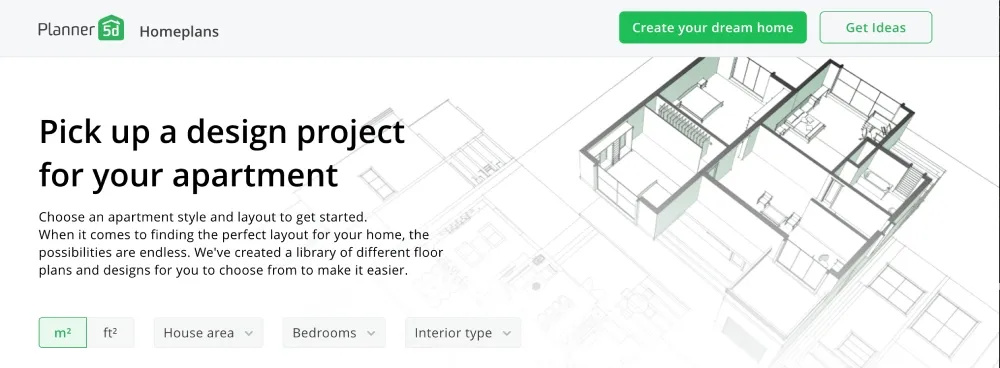
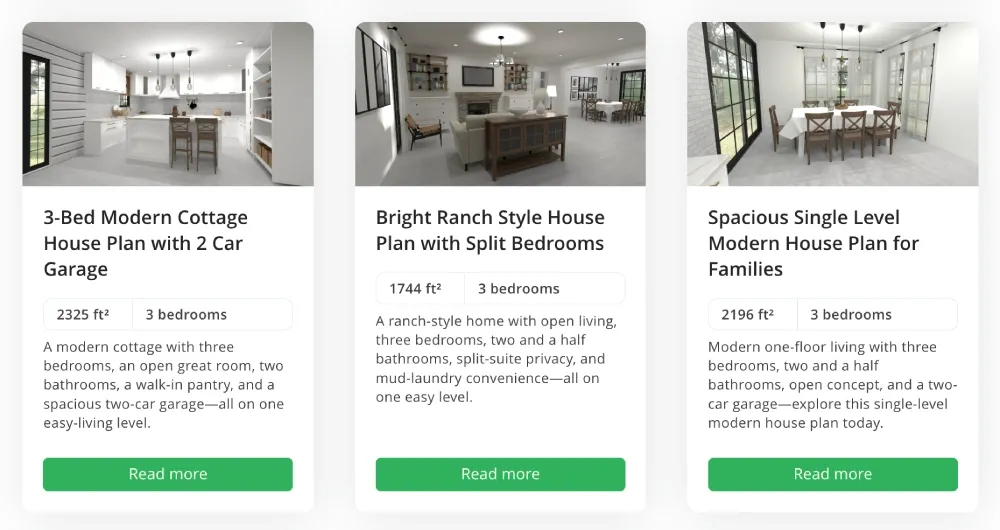
Next, browse the home plan library and pick a template. Find a layout that's close to what you're imagining. Remember, you can change everything later, so don't stress about finding the perfect match. Just pick something that feels like a good starting point.
Step 3
Now comes the fun part. Customize your space by moving walls, adding rooms, and changing sizes. The drag-and-drop interface makes this simple. Want a bigger master bedroom? Just pull the wall out. Need an extra bathroom? Add one wherever it makes sense.
Step 4
Add on furniture and fixtures to see how things fit in each room. Experiment with colors and materials until the space starts to feel like your own. Try dark wood floors, then switch to light tile. Paint a wall navy blue, then change it to warm gray. There's no wrong way to explore.
Step 5
Switch to 3D mode and walk through your creation. This is where the design really comes alive. You'll see how natural light flows through windows at different times of day. Check if rooms feel spacious or cramped.
Spot any issues, such as a door that opens into a tight corner or a kitchen layout that doesn't flow well. Moving through the space virtually helps you understand it in ways that top-down floor plans never could.
Continue tweaking and refining until everything feels just right. Maybe you realize the living room needs to be bigger after seeing it in 3D. Or perhaps that extra closet would work better in a different spot. Make these changes now, while they're easy and free.
Step 6
Once you're happy with the design, you can share it with others. Send the files to builders or contractors so they can see exactly what you want. Everyone stays on the same page, which prevents costly misunderstandings during the construction process.
Your dream home starts with a plan
A good home plan saves time, money, and stress. It helps you avoid expensive mistakes and makes sure your finished home works the way you live.
You don't need to be an architect or designer. With tools like Planner 5D, you can explore ideas, try different approaches, and create something amazing. The software handles the technical stuff while you focus on making it yours.
Whether you're planning a tiny house, a sprawling single-story, or something totally unique, digital planning gives you control. You can visualize your ideas in 3D, make changes instantly, and see precisely what you're building before construction begins.
Start designing your dream home with Planner 5D
Ready to turn your ideas into reality? Planner 5D makes home planning simple, creative, and fun. It's free to start, and you don't need any special skills.
Start Designing Now