AI and Sustainable Interior Design
AI is aiding in sustainable design in ways we couldn't imagine just a few years ago. Here is what you need to know.

Having a more intelligent and greener home is more attainable than you think. As we're experiencing climate change, we're forced to rethink how we design our spaces. Thanks to the advancements in technology and AI, this is getting better and cheaper every year.
These two trends are meeting in exciting ways. AI now helps designers create homes that look great and use less energy. Smart systems learn your habits and cut waste without you thinking about it.
This isn't just about fancy gadgets. It's about utilizing AI and sustainable interior design to create smart homes that work better for both people and the planet.
What is AI-powered sustainable design?
AI-powered sustainable design uses smart tech to create eco-friendly spaces. Installing smart devices and connecting them together can give you total control over your home's energy consumption. Most of these apps use AI to help you assess your lifestyle and suggest ways to save energy and materials.
Stuck on your next design move?
Let AI generate stunning layouts in seconds.
Think of it as having a design expert who never sleeps. The AI checks thousands of options in seconds, in real time. It can find and suggest the best mix of comfort, style, and green living. The goal is to create beautiful spaces that use fewer resources.
Here's what AI does for sustainable design:
- Cuts energy waste by learning your daily patterns
- Picks materials that last longer and harm the environment less
- Plans layouts that use natural light better
- Suggests the right size systems so you don't overbuild
Smart home tech meets eco-friendly design
Your home can learn your habits and adapt to save energy. AI home systems use your habits to understand how you live and adjust things automatically. This means you don't have to constantly worry about adjusting settings and timers to adjust to time and weather changes.

Smart thermostats like Nest are just the start. These devices learn when you're home and when you're away. They adjust the temperature to save energy without making you uncomfortable.
AI lighting systems do even more. They track sunlight throughout the day and dim artificial lights when natural light is bright. Some systems even change the color temperature to match the time of day.
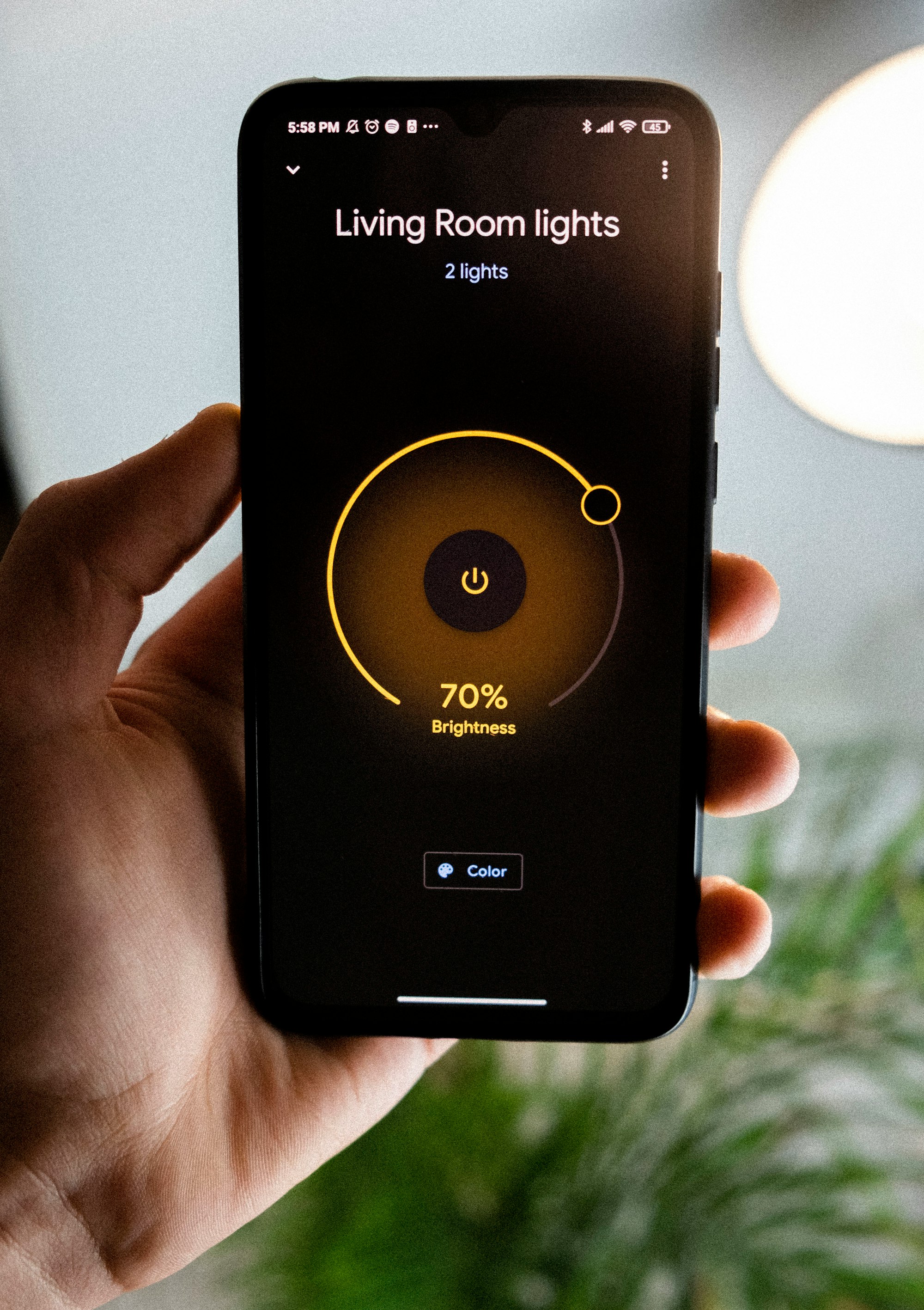
Smart sensors can detect if rooms are empty and turn off lights and heating. Over time, the AI gets better at predicting your needs.
The best part? These systems work in the background. You get a comfortable home that uses 20-30% less energy without changing your lifestyle.
Material optimization through AI
Choosing the right materials can be a confusing and overwhelming process. There are thousands of options, each with different costs and environmental impacts.
AI makes this easier by analyzing the full lifecycle of materials. It examines how materials are manufactured, their durability, and what happens when they are discarded.

For example, AI might suggest bamboo flooring over hardwood because bamboo grows faster and absorbs more carbon. Or it might recommend recycled steel instead of new steel for structural work.
Design smarter, not harder.
AI suggestions tailored to your space and style.
Some AI platforms can even predict how materials will age in your specific climate. This helps you pick options that will look good and perform well for decades.
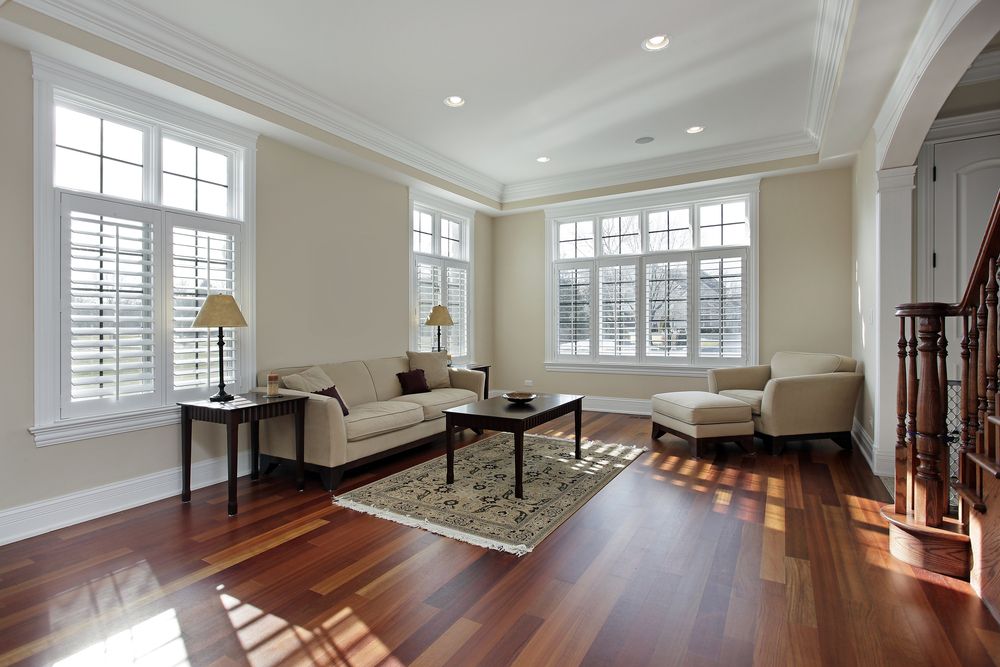
Architects can use AI tools to run energy simulations in minutes instead of days. This makes it easier to test different material combinations and find the most efficient option. They can also design floor plans and layouts with AI software to find the best choice.
Challenges and considerations
AI-powered sustainable design isn't perfect yet. There are some real challenges to consider.
- Privacy concerns: Smart homes collect lots of data about how you live. You need to trust that companies will protect this information and not sell it to others.
- Cost barriers: AI tools and smart home systems can be expensive upfront. Many people can't afford the initial investment, even if it saves money over time.
- Automation vs creativity: AI excels at analyzing data and identifying efficient solutions. However, good design also requires human creativity and an understanding of what makes spaces feel comfortable to live in.
- Boring design: Some designers worry that relying too much on AI might lead to homes that all look and feel the same. Combining AI insights with human design expertise is still key.
Future trends in AI and green design
The future looks promising for AI and sustainable design, with new developments accelerating the process at a faster pace than ever. Here is what we can expect, even if it still feels very futuristic.
Predictive AI will soon be able to forecast environmental changes, allowing buildings to be adapted as needed. Imagine a home that prepares for a heat wave by pre-cooling thermal mass or adjusting ventilation before air quality drops.
We're also moving toward autonomous building systems. These AI-controlled homes will manage all their energy needs automatically. Solar panels, batteries, and smart appliances will work together to create zero-energy homes.
Personalization is getting better, too. AI will learn not just your schedule but your preferences for light, temperature, and air quality. Each room can be adjusted to suit whoever is using it.
Building materials are also becoming smarter. New materials can change their properties based on conditions. AI will control these materials in real-time to optimize comfort and efficiency.
Ready for a smarter, greener home?
AI and sustainable design are transforming the way we perceive our living spaces. Smart systems can reduce energy consumption, minimize waste, and create more comfortable homes. Who wouldn't enjoy that in their home?
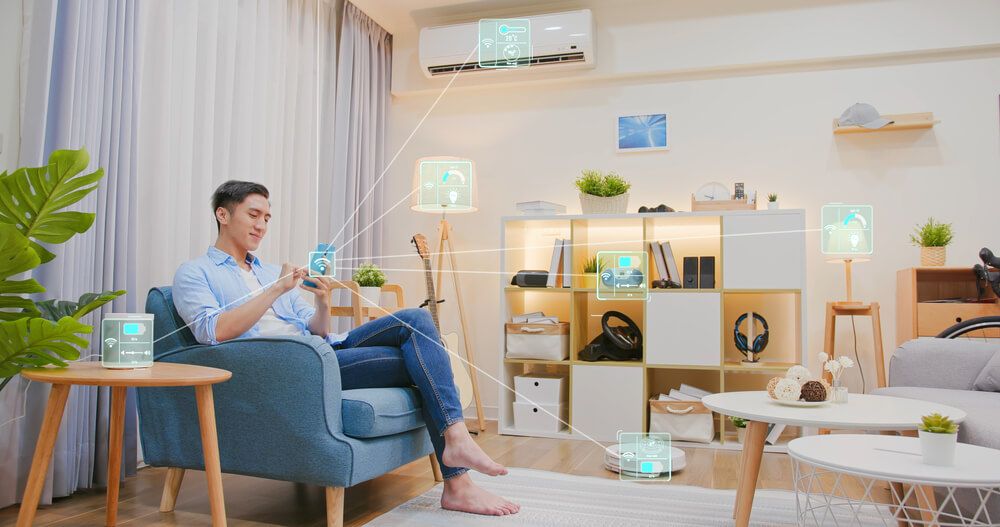
The technology is continually improving and becoming more affordable every year. Whether you're thinking of retrofitting your home or are curious about green tech, now is a great time to explore your options. The future of home design is smart, sustainable, and surprisingly accessible.
Recommended reading:
- AI and Sustainability: Opportunities, Challenges, and Impact
- AI for Sustainability – A Human-Centric Approach to Global Challenge
- Why AI’s role in advancing sustainability is underestimated
Planner 5D: The Future of Interior Design
Experience the power of AI-driven design with Planner 5D. Our innovative tools, including the Design Generator, Smart Wizard, and AI floor plan recognition, make bringing your dream home to life easier than ever. Transform your vision into reality and unlock a world of design possibilities today.
Start designing your dream home