Garage Gym Ideas: How to Build Your Perfect Home Workout Space
Looking to set up a gym in your garage? Here are some great ideas to help you get started.

If your garage is sitting there half full of boxes you haven't opened in years and you're paying $50 a month for a gym membership you barely use, it's time to do something about it.
Here's a better idea: turn that cluttered garage into your own private gym. A garage gym gives you everything a commercial gym has, without the commute, the crowds, and the sweaty bros who hog the bench press. You can work out whenever you want, blast your own music, and never wait for equipment.
The best part? You don't need to gut the whole space or spend thousands to make it work. With some smart planning and the right setup, even a single-car garage can become a solid training space. Here's how to do it.
Tips for setting up a garage gym
The size of your gym will largely depend on how much garage space you have to dedicate to it. While not all garages are built the same, there are a few design principles that apply to all of them.
Plan your space first
The biggest mistake people make is ordering equipment before they measure their garage. That power rack you found on sale won't matter if it doesn't fit under your garage door opener.
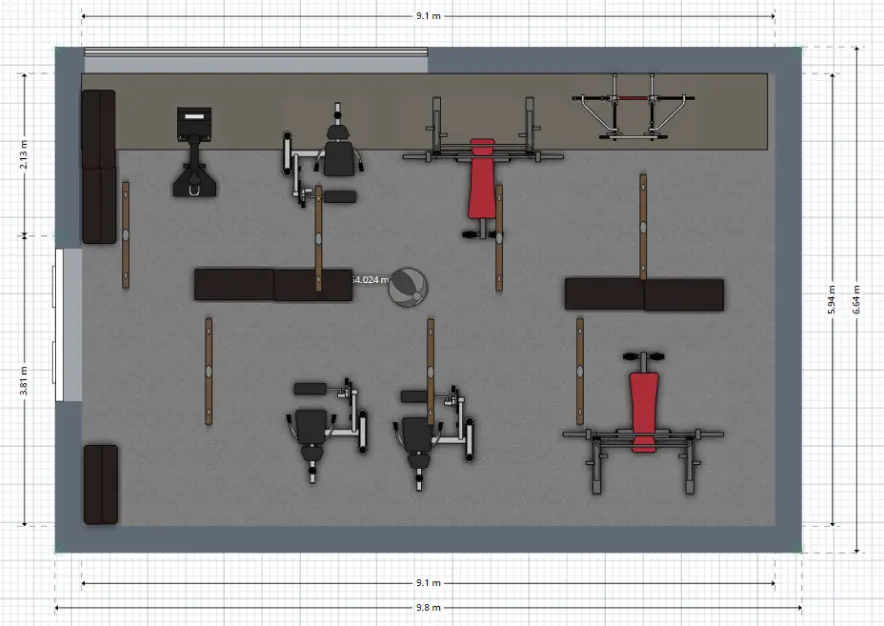
Measure everything. Use an online gym planner like Planner 5D to enter the length, width, and height of your garage, then create a floor plan. Note where your door opener sits, where the electrical outlets are, and whether you have any support beams or storage that can't be moved.
Don't leave your progress to chance.
Design a space that perfectly fits your goals.
Think about how much space you actually need for working out versus storage. If you're still parking a car in there, mark off that area first. What's left is your gym space.
Garage gym use by size
- Single-car garage (about 200-250 square feet): works fine for a basic setup with weights and a few accessories.
- Two-car garage (400-500 square feet): gives you room to add cardio equipment, multiple training zones, and still park a vehicle.
- 10x10 foot corner: works with the right equipment and organization.
Properly insulate your garage gym
When creating a gym in your garage, don't forget about insulation. Proper insulation can create a cozy, distraction-free environment that enhances your workout experience.

Insulation helps more than you'd think. It keeps the heat in during winter and blocks some of the summer sun. You can insulate the walls and garage door with foam board panels or use spray foam. It's not complicated and makes a huge difference.
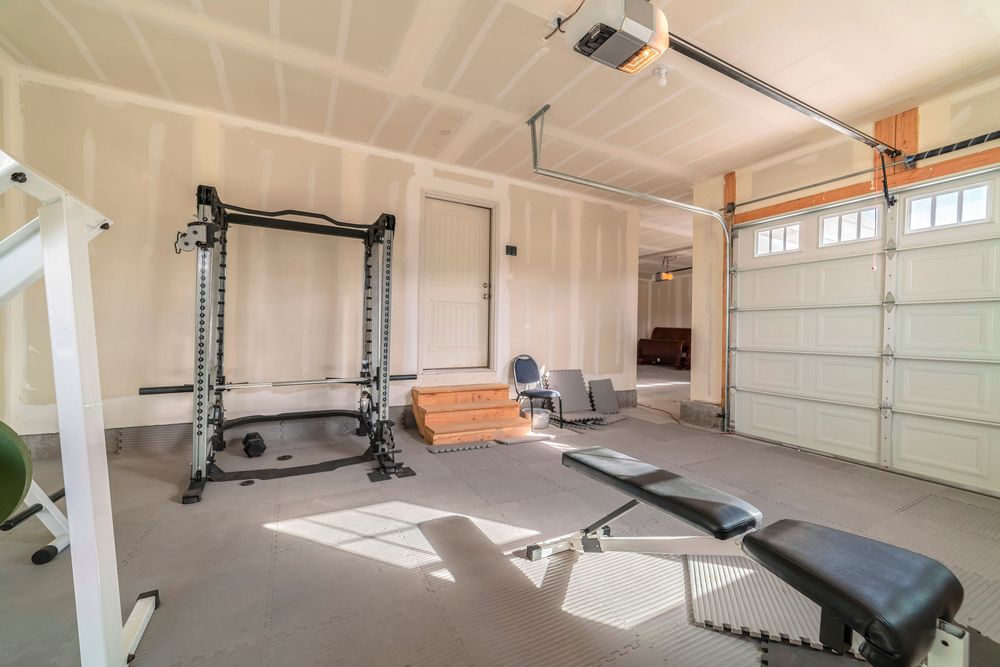
Make sure to install a fan for summer and a space heater for winter. You don't need central air. A good box fan or portable AC unit handles most hot days. In cold weather, a small electric heater can warm a garage in 15 minutes.
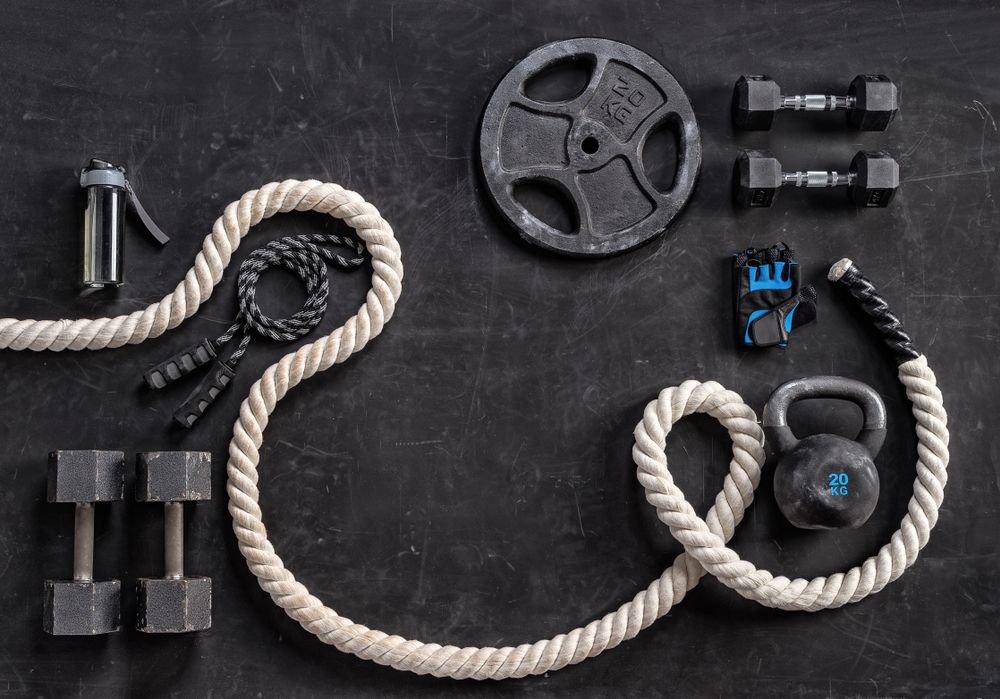
Insulation also cuts down on noise. Your neighbors won't hear your workout playlist, and outside sounds won't bug you when you're trying to focus.
Start with the right flooring
Don't skip the floor. Concrete is hard on your joints and cracks if you drop weights on it. Plus, metal plates on concrete sound like a car crash.

Rubber gym mats are the standard choice. Get ones that are at least half an inch thick. They protect your floor, reduce noise, and provide a stable surface that won't shift when you lift. For heavy lifting, consider horse stall mats. They're thick, tough, and cheaper than branded gym flooring.
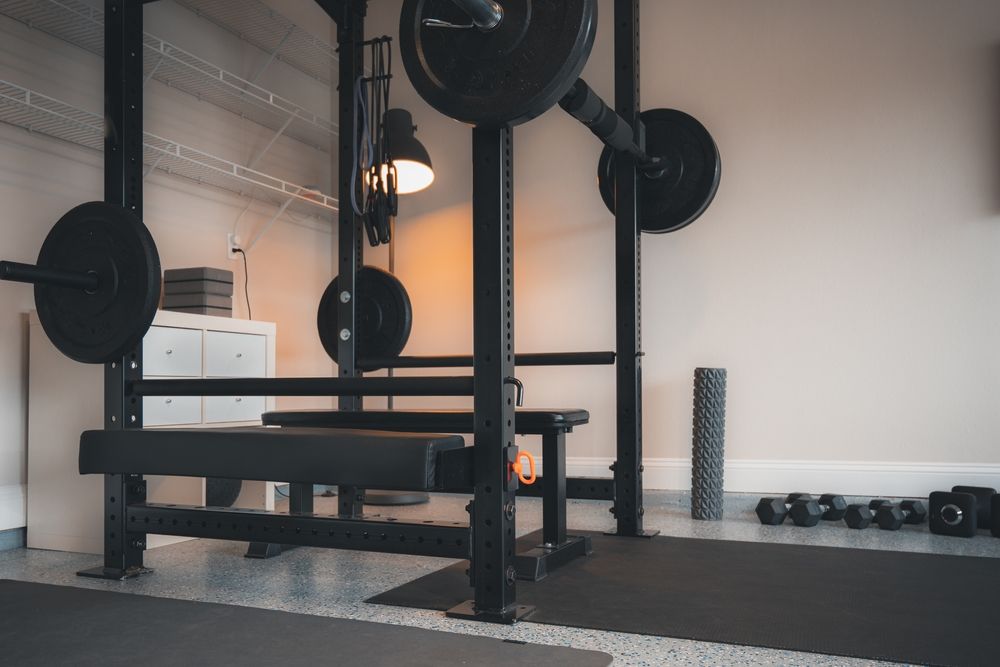
If you do Olympic lifts, a lifting platform helps. It's just a raised section with extra padding where you drop the bar. You can build one from plywood and rubber mats for under $200.

Keep some open floor space without mats for stretching, yoga, or bodyweight work. Foam tiles work better than rubber here since they're softer on your knees and back.
Pick equipment that fits your training
You don't need every machine you see at a commercial gym. Focus on equipment that matches what you actually do.
- For strength training: Start with a power rack, barbell, and weight plates. A rack gives you a safe place to squat, bench, and press without a spotter. Look for one with a pull-up bar built in. Add an adjustable bench and you can hit almost every lift.
- For beginners: You don't need heavy weights right away. Resistance bands, a stability ball, and a set of light dumbbells cover most bodyweight and basic strength moves. This setup takes up almost no space and costs a fraction of a full rack.
- For lifters with experience: Add specialty bars (trap bar, safety squat bar), more plates, and accessories like dip attachments or landmine mounts. Focus on tools that let you train harder, not just stuff that looks cool.
- For cardio: A jump rope costs $15 and takes up zero space. If you want a machine, rowers and bikes fold up or sit against a wall better than treadmills. Air bikes are bulletproof and don't need electricity.
- For versatility: Adjustable dumbbells save a ton of space compared to a full rack of fixed weights. Resistance bands add hundreds of exercise options for almost no money. A suspension trainer hangs from your rack or ceiling and works for strength and mobility.
Plan for enough space to move and grow
Evaluate your available area and craft an equipment layout that promotes fluid movement without that cramped feeling. Make sure to have enough space to add more equipment if your needs change.
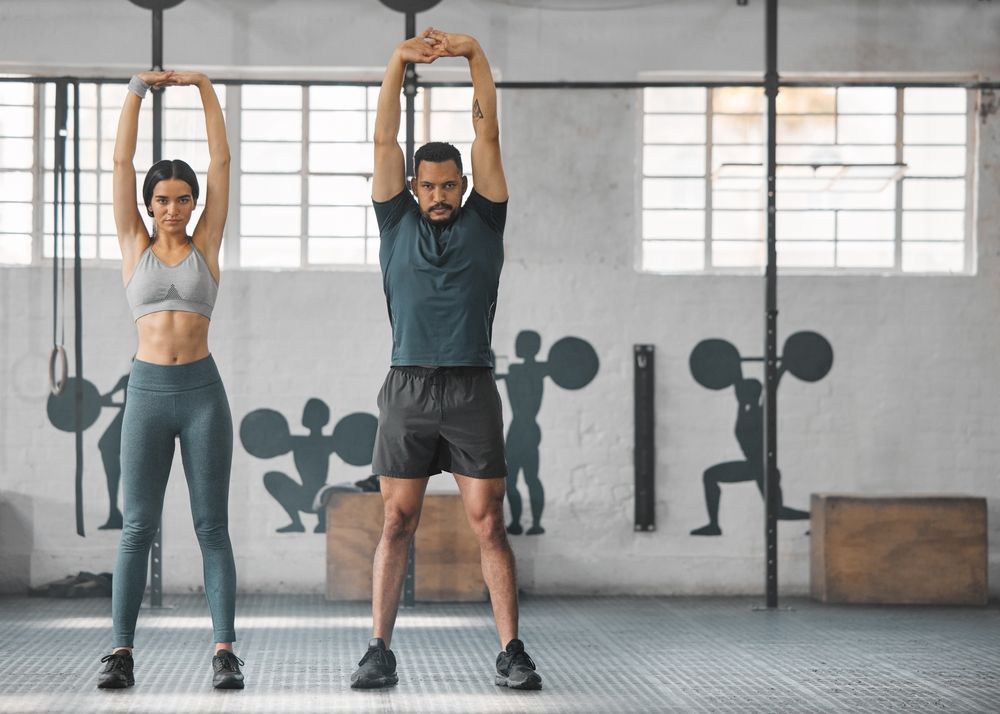
From stretching and yoga to bodyweight exercises, ensure ample floor space for diverse activities to nourish your body and soul.
Maintain your garage gym
Regular maintenance is key to keeping your garage gym in top shape. Wipe down equipment after each use to prevent the buildup of sweat and germs.
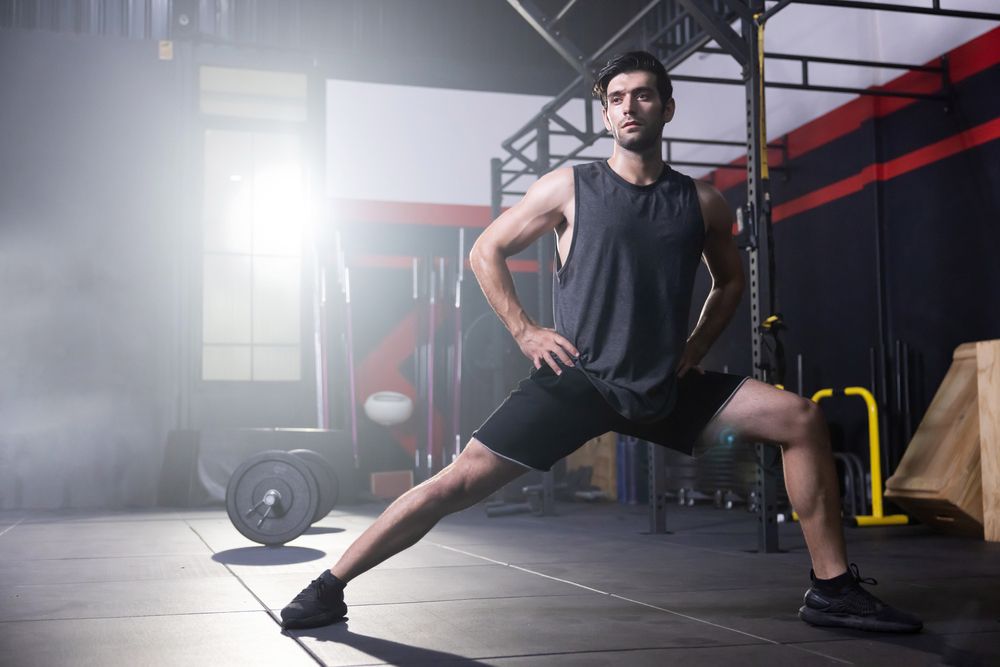
Check and tighten bolts periodically, and keep an organized storage system to avoid clutter. Maintaining proper ventilation and temperature control ensures a comfortable and durable workout space.
Different garage gym configurations
Shared-garage
If your garage is a shared space, opt for foldable equipment that can be easily stored when not in use. Wall-mounted racks and compact storage solutions keep things neat and organized.
Don't leave your progress to chance.
Design a garage gym that perfectly fits your goals.
Single-car layout
A single-car garage can still host an impressive gym. Install wall-mounted storage and utilize vertical space to create an efficient and functional workout area.

A two-car garage gym
Got a two-car garage? Lucky you! You can section off a workout area while still having space for parking. Use gym dividers or curtains to create a dedicated fitness zone.

You can easily set up a home fitness centre in one side of your garage with a pull-up bar, cable machine and a dumbbell rack.
Equipment for your garage gym
The best way to set up exercise equipment in your garage gym is to organize it according to your needs and the equipment you have.
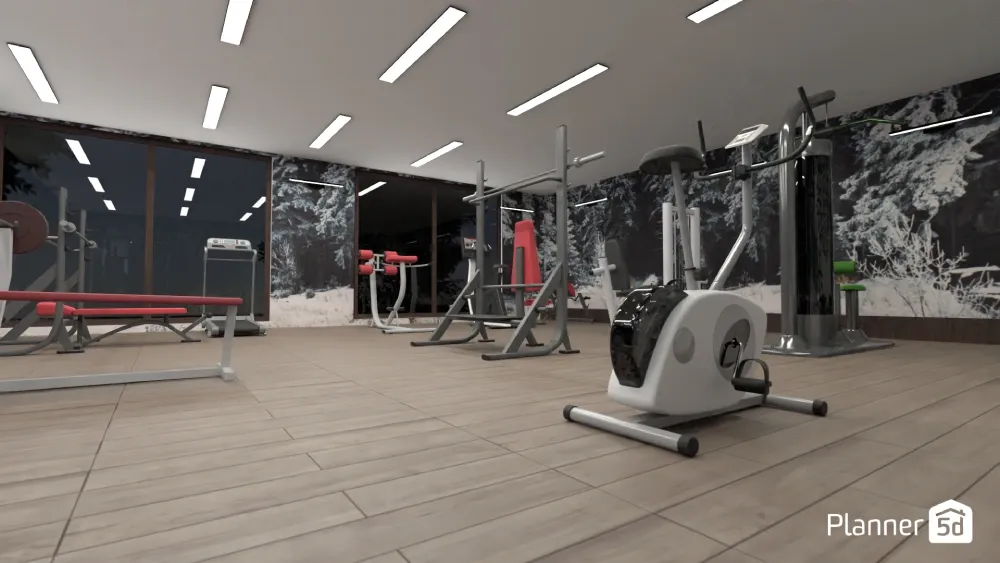
Cardio machines like treadmills and step climbers will take up more space, but can be tucked away against the wall. Weight plates, dumbells and kettlebells must be stacked and tucked away to avoid injury and damage to the floor.
Multi-use gym equipment
Opt for versatile equipment that lets you target multiple muscle groups. Adjustable dumbbells, resistance bands, and stability balls are great additions that save space while offering various workout options.

Just the basics
For those who appreciate simplicity, a minimalist garage gym focuses on the essentials. A pull-up bar, bench and dumbbells can deliver an effective workout without overwhelming the space. This combination works well if you have a small space for your home workouts.
Racks and shelving
Strategically placed racks and shelves keep your equipment organized and easily accessible. Wall-mounted storage solutions help maximize floor space while keeping everything tidy.
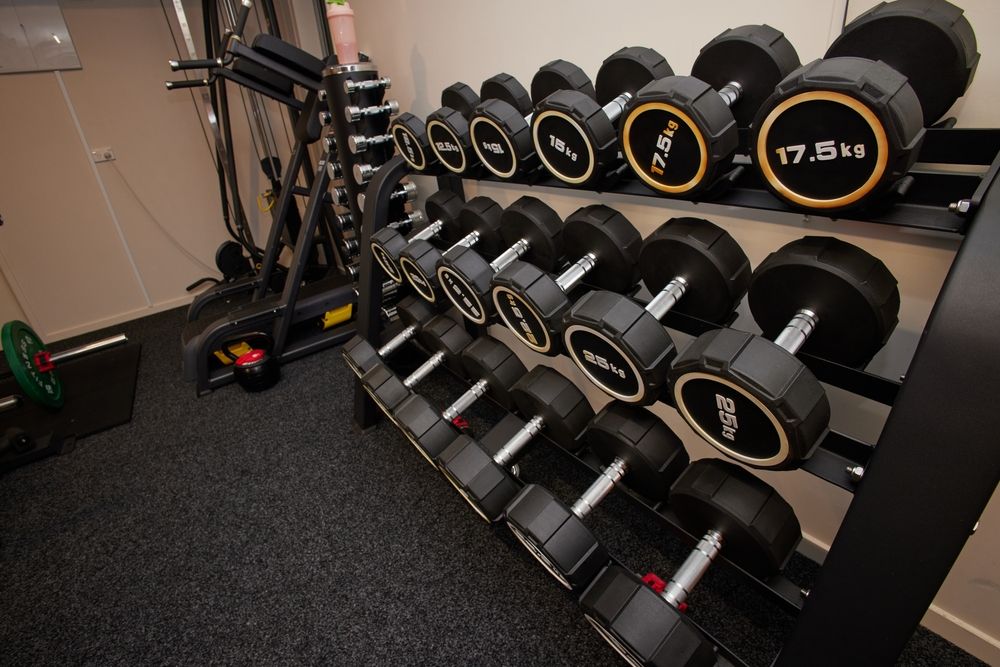
Lifting racks
There are many different lifting rack configurations that let you make the most out of york workout. Choose one that maximizes your workouts. This can include a built-in bench, bar and storage for weight plates.
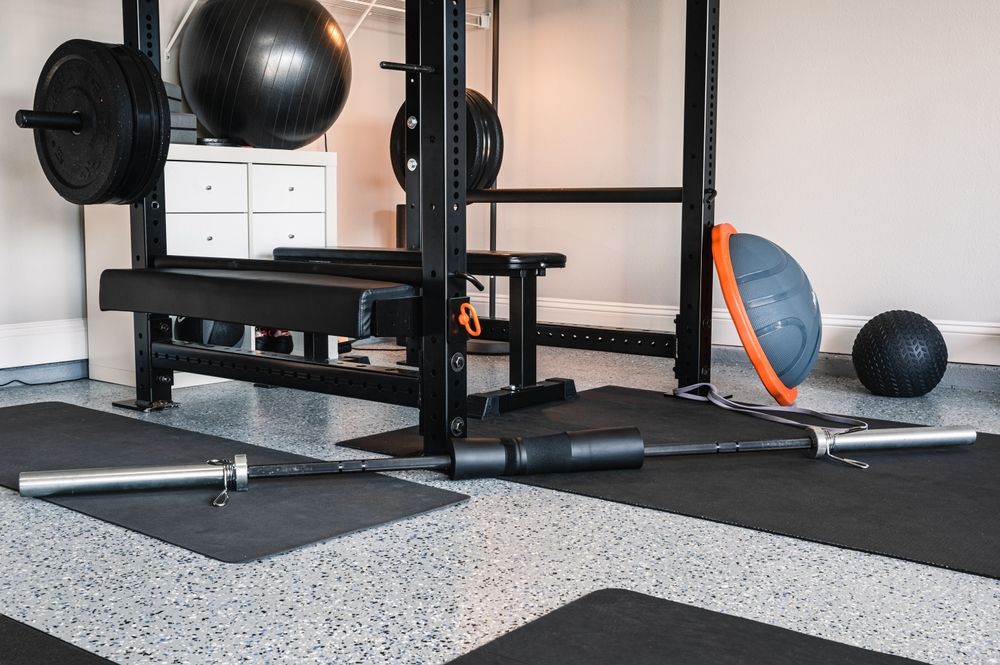
Weight-lifting corner
Forge your strength in a dedicated weight-lifting corner. Begin with a sturdy power rack, a versatile barbell, and a set of adjustable weights. Place a weight bench for bench presses and various dumbbell exercises.
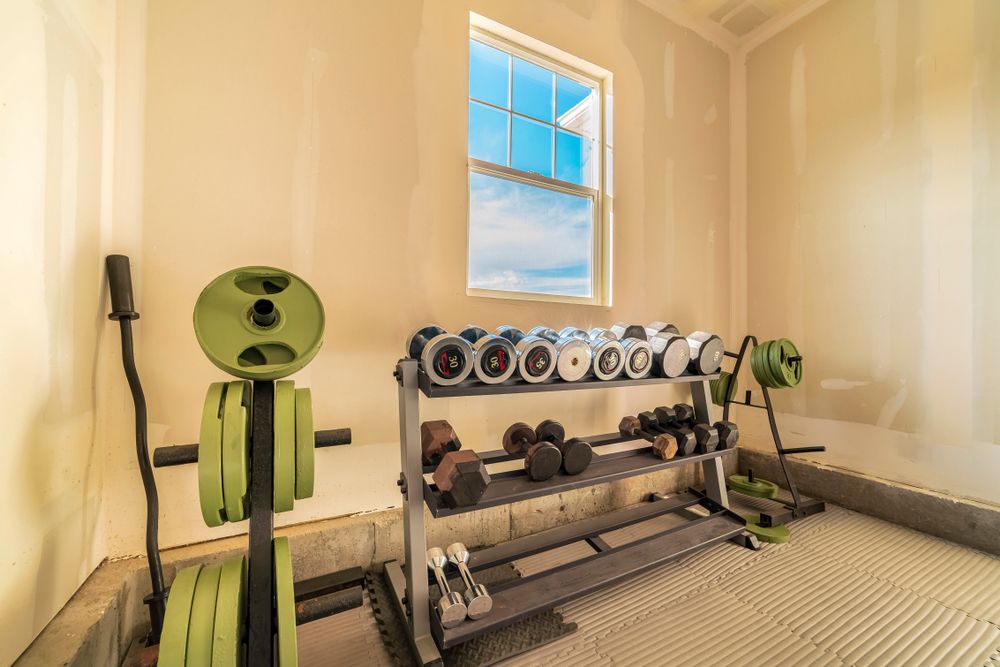
Add wall-mounted hooks to organize barbells and resistance bands neatly. Mirrors along the walls can aid in maintaining proper form while providing a motivating visual feedback loop.
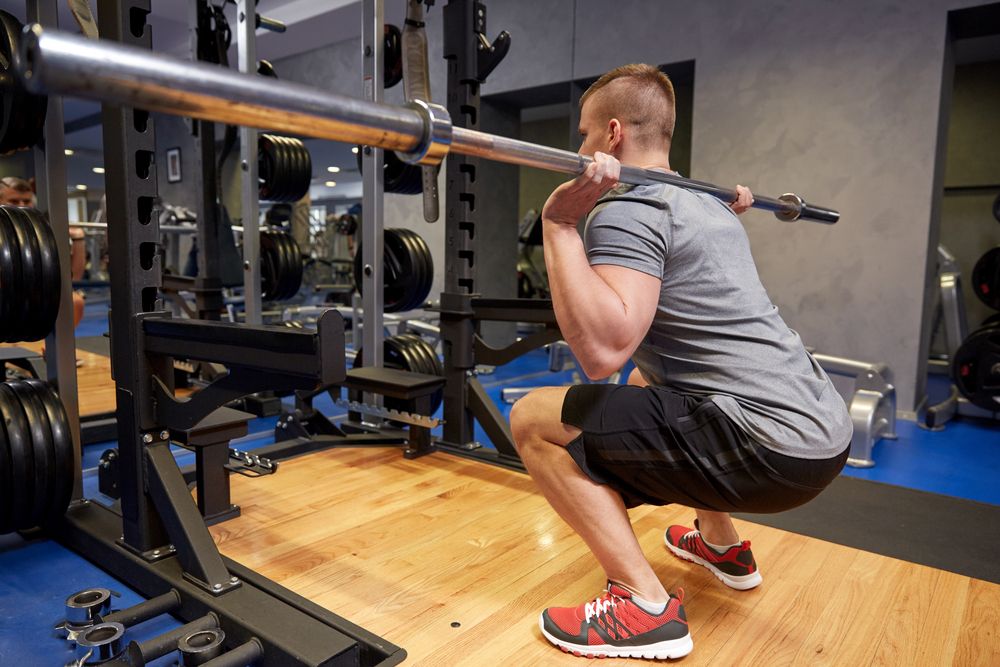
Gym set up based by fitness level
Tailor your garage gym setup to your fitness level and goals.
Small garage gym for beginners
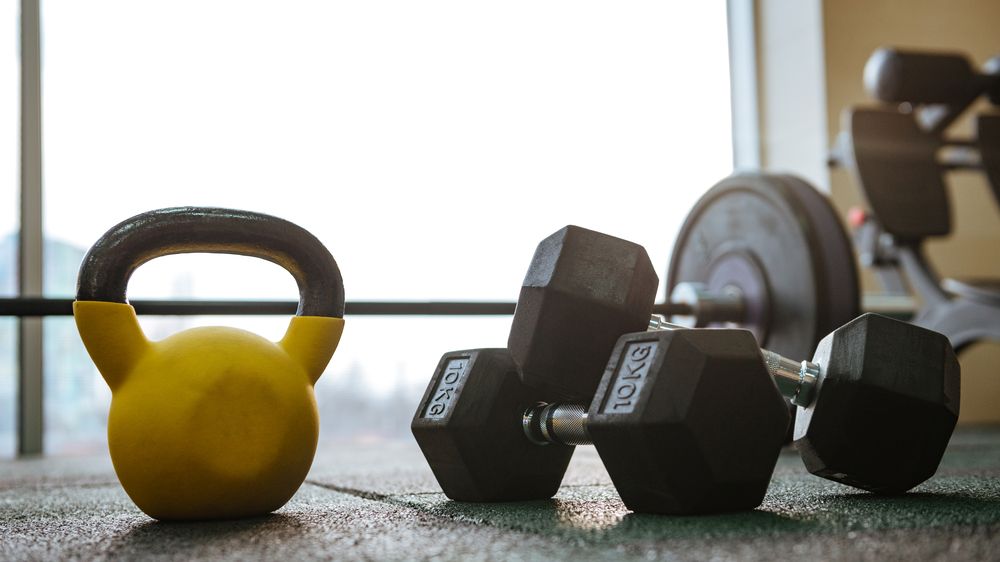
For beginners, focus on building a foundation with bodyweight exercises and simple equipment like resistance bands, stability balls, and light dumbbells.
Lifters with prior experience
Experienced lifters can invest in heavier weights, barbells, and power racks for more advanced training. Safety is paramount, so consider equipment that doesn't require a spotter.

Group exercise
If you want to open up your gym to friends and family, make sure there is enough space for more than one person to use the equipment safely.
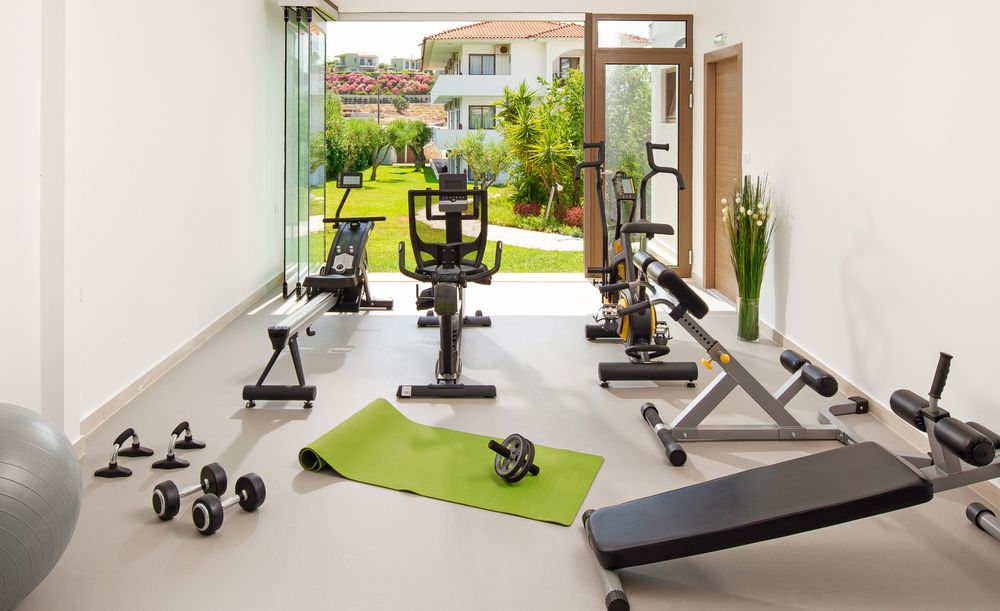
If you are offering personal fitness lessons, you will need to have a wider variety of workout options to accommodate different clients.
Conclusion
Your garage can be transformed into a personalized fitness sanctuary that caters to your workout preferences and lifestyle. From technology integration to minimalist setups, the possibilities are endless.
Home gym design made easy.
Design the perfect workout space.
Your garage gym should match how you train. Whether you're lifting heavy, doing bodyweight work, or mixing everything together, the right setup makes it easier to show up and put in the work. Roll up that garage door and get started. Your gym is waiting.
FAQ
How can I make my garage gym look good?
Consider using a consistent color scheme that matches your style to make your garage gym visually appealing. Add motivational posters or wall decals to inspire you during workouts. Incorporating proper lighting and well-organized storage can also enhance the overall aesthetic of your space.
What should I put in my garage gym?
The equipment you choose for your garage gym depends on your fitness goals and preferences. Essential items include gym flooring, resistance bands, dumbbells, an adjustable bench, and possibly a squat rack, barbell rack and specialty bars. Tailor your selection to create a versatile and effective workout setup.
Are garage gyms worth it?
Garage gyms offer convenience, flexibility and long-term savings compared to public gym memberships. With the freedom to personalize your space and workout according to your schedule, a garage gym becomes a valuable investment in your health and well-being.
How do I lay out my garage gym?
Start by assessing the available space, weight capacity and organizing equipment based on your workout routines. Prioritize accessibility and flow, placing larger items like power racks and benches against walls to maximize open space. Leave room for stretching and movement, and ensure proper ventilation and lighting.
What is a good size for a home gym?
The size of your home gym depends on your workout preferences and available space. For a compact setup, a 10x10 feet area could work, while larger spaces allow for more equipment and variety. Focus on creating an open and functional layout that accommodates your needs.
How big should a home gym garage be?
The ideal size for a home gym garage can vary. A single-car garage (around 200-250 square feet) can suffice for a basic setup, while a double-car garage (400-500 square feet) offers more room for a comprehensive gym. Prioritize efficient storage and layout to make the most of the available space.